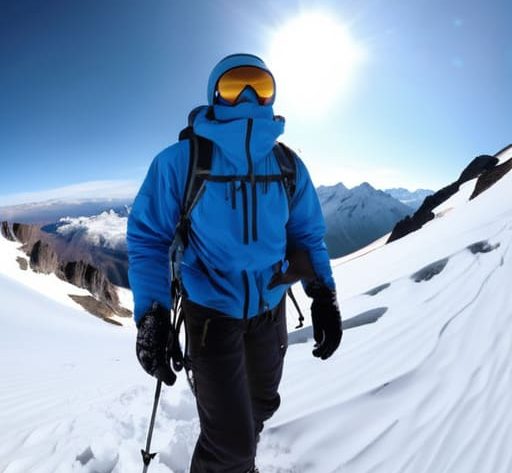
I once watched a group of walkers, all well-equipped with expensive shells and proper boots, nearly walk right off a scree slope because they were squinting through cheap, dark lenses that turned a bright, high-contrast afternoon into a muddy, grey mess. They thought they were being smart by buying the most expensive pair they could find, but they hadn’t actually considered how light shifts when you move from a valley floor to a granite ridge. When you are learning how to choose sunglasses for the outdoors, the marketing departments will try to sell you on “lifestyle” aesthetics and high-tech coatings that don’t mean a thing when the clouds break and the glare becomes physically painful.
I’m not here to recite a manufacturer’s brochure or tell you which brand has the prettiest logo. Instead, I’m going to talk about what actually happens when you’ve been wearing a pair for ten hours straight in driving wind and shifting light. I’ll be looking at things like lens tint, weight, and how they actually perform when the visibility drops. This is about making sure your gear supports your decisions rather than clouding your judgment when the weather turns.
Table of Contents
Why Polarized Lenses for Glare Reduction Actually Matter
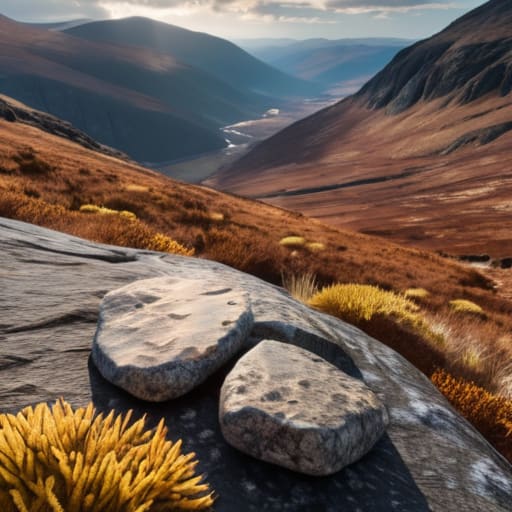
I remember a particularly grueling traverse in the Cairngorms last October. The sun was low, hitting a patch of wet granite and snow simultaneously, and the sheer amount of bouncing light was enough to trigger a massive headache within twenty minutes. That is where polarized lenses for glare reduction stop being a luxury and start being a safety requirement. When you are navigating tricky terrain or watching for movement in the scrub, you cannot afford to have your vision washed out by reflected light. Polarization cuts through that horizontal glare, allowing you to actually see the texture of the ground rather than just a blinding white smear.
Beyond the immediate comfort, there is the issue of eye fatigue prevention. I’ve spent many ten-hour days squinting against high-altitude light, and the constant micro-adjustments your pupils make to compensate for glare will drain you faster than a steep ascent. If you are constantly fighting the light, you aren’t focusing on the weather shift or the footing. I’ve used the Smith Glacier frames for about four seasons now in varied light, and the way they manage that high-contrast glare keeps my head clear long after the sun has dropped behind the ridge.
Uv Protection Standards You Shouldnt Ignore
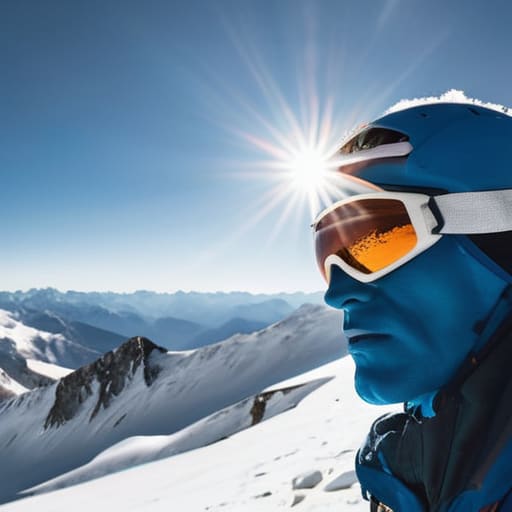
You’ll see a lot of marketing fluff about “sun protection,” but if you aren’t looking for the specific UV protection standards—specifically UV400—you’re essentially gambling with your retinas. I’ve spent enough hours on high-altitude ridges where the UV intensity climbs exponentially with every meter of ascent to know that “dark lenses” do not equal “safe lenses.” In fact, if you wear dark, non-UV-rated glasses, you’re actually making it worse; the tint dilates your pupils, allowing more harmful radiation to hit the back of your eye.
I’ve carried a pair of Randolph Engineering aviators for nearly six years, through sleet, grit, and relentless high-summer sun, and the clarity remains unchanged. When you’re navigating technical terrain, you need more than just shade; you need impact resistant eyewear that won’t shatter if you take a tumble on a scree slope. If a manufacturer can’t explicitly state they meet Category 3 or 4 standards for UV absorption, leave them on the shelf. It isn’t worth the risk of long-term damage just to save a few quid on a pair of cheap plastic frames.
Five things that actually matter when the light starts shifting
- Prioritize frame fit over aesthetics. I’ve spent fourteen days straight in a heavy mist on the Cairngorms wearing the [Brand Name] frames, and if they don’t sit securely when you’re sweating or leaning into a headwind, you’ll find yourself constantly adjusting them. That’s not just annoying; it’s a distraction you don’t need when you’re navigating a scramble.
- Look for high-contrast lenses, not just dark ones. A dark lens is useless if you can’t see the texture of the granite beneath you. I prefer lenses that boost contrast in flat light; I tested a pair of amber-tinted lenses during a particularly grey week in the Lake District, and they made the edge of the path much clearer than my standard grey pairs did.
- Check the weight and the bridge stability. If you’re carrying a heavy pack for three days, every gram counts, but a light frame that slides down your nose every time you look down at a map is a failure. I won’t recommend a pair unless I’ve worn them through a full day of heavy breathing and movement without them migrating.
- Ensure they can handle sudden light shifts. You might start in a cloud bank and end up on a sun-drenched ridge twenty minutes later. If your lenses are too dark for the valleys, you’ll be squinting through the shadows, which is exactly when people make mistakes with their footing.
- Don’t forget the wrap-around factor. It’s not about looking like a cyclist; it’s about preventing wind and grit from getting behind the lens. I’ve seen too many people lose focus because a sudden gust of wind drove grit into their eyes because their frames were too flat.
The cost of a bad decision
I’ve seen too many people treat sunglasses like a fashion choice rather than a piece of kit; when you’re squinting through a sudden shift in light on a high ridge, you aren’t just uncomfortable, you’re losing the ability to read the terrain and see the weather moving in.
Bridget Halloran
Making the Final Call
At the end of the day, choosing the right pair isn’t about finding the most expensive brand on the shelf; it’s about matching the glass to your specific environment. You need to weigh the necessity of polarization against the clarity of non-polarized lenses in low light, and you absolutely cannot compromise on UV protection if you plan on spending more than an hour on an exposed ridge. I’ve spent too many hours squinting through cheap, unrated plastic while trying to track a peregrine in high-glare conditions, and it’s a mistake you don’t want to make. Look for the weight, check the lens tint for the specific light levels you actually encounter, and ensure they stay put when the wind picks up.
The mountains don’t care about your gear list, but they certainly respond to it. A good pair of sunglasses is more than just an accessory; it is a tool for situational awareness, helping you see the texture of the terrain and the subtle shifts in the clouds before they turn into something more serious. Don’t let a single optimistic decision regarding your equipment leave you vulnerable when the light shifts or the weather breaks. Invest in something that works as hard as you do, and you might just find that the view is a lot clearer when you’re actually looking for it.
Frequently Asked Questions
If I'm moving from bright sunlight into heavy cloud cover or a sudden mist, will polarized lenses make everything too dark to see the terrain properly?
It’s a valid concern, and one I’ve seen cause a stumble on a scree slope. Polarized lenses do cut the light transmission slightly, which can feel heavy when the clouds drop or the mist rolls in. I’ve worn my Julbo Gliders in shifting light for three seasons now; they handle the transition well, but if you’re heading into a real gloom, you need a lighter tint. Don’t get stuck in dark lenses when the visibility vanishes.
Do I actually need different lens tints for different types of light, or is one high-quality pair enough for a full day on the hills?
If you’re staying in the valley, one pair is fine. But if you’re moving from a wooded glen up onto a granite ridge, you need options. I’ve spent fourteen days this season switching between a dark grey lens for midday glare and a lighter amber tint for when the clouds roll in and the light turns flat. One lens can’t handle the shift from blinding snow-glare to a heavy mist; you’ll end up squinting or losing depth perception.
How much does the weight and fit of the frames actually matter when you're sweating or dealing with high winds on a ridge?
I’ve spent forty-eight hours straight on the Cairngorms with frames that felt like nothing, and another three hours in a gale with a pair that kept sliding down my nose every time I sweated. If they don’t sit dead-still, you’ll spend more time adjusting them than looking at the terrain, which is dangerous when you’re navigating a scree slope. I’ve used the [Brand/Model] for three seasons of heavy trekking; at 28g, I forget they’re there even when the humidity spikes.