I’ve spent twenty-two years watching people buy “emergency” kits that are little more than glorified sticker collections, all while ignoring the actual mechanics of a crisis. Most of the advice you’ll find online is written by people who have never had to manage a bleeding laceration while shivering in a gale on a scree slope. They promise you a complete guide to outdoor first aid that involves high-tech gadgets and complicated protocols, but when the light is failing and your hands are numb, you don’t need a manual; you need functionality. I’ve seen too many hikers rely on a plastic box of band-aids only to realize, too late, that they lack the basic tools to manage hypothermia or a real puncture wound.
I’m not here to sell you on expensive, lightweight gadgets that break the first time they hit a rock. Instead, I’m going to give you the unvarnished truth about what actually works when things go sideways. This is a pragmatic look at the gear I’ve carried through decades of mountain weather, the specific items that have actually saved my skin, and the skills that matter more than any piece of kit. I’ll tell you exactly what I use, how much it weighs, and why most of those “essential” kit lists are just marketing fluff.
Table of Contents
Weight vs Survival My Essential Backpacking Medical Supplies
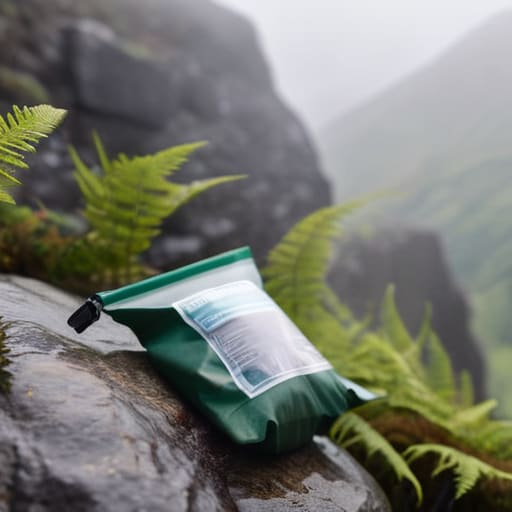
I’ve spent twenty years watching people trade safety for a lighter pack, usually right before the weather turns. You’ll see hikers carrying entire pharmacy aisles, but if you’re moving fast over technical terrain, weight is a liability. My personal backpacking medical supplies aren’t about variety; they are about utility. I carry a compact, waterproof dry bag that I’ve used through three seasons of heavy mist and wind in the Lake District. It doesn’t have everything, but it has exactly what I need to manage the gap between an incident and professional help.
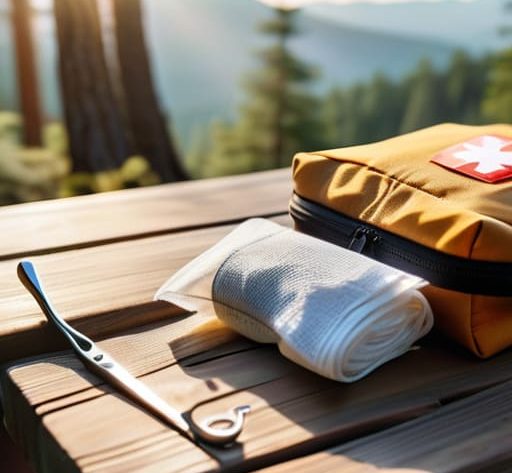
The core of my kit focuses on emergency trauma response and stabilizing someone while you wait for a window in the weather. I carry high-quality compression bandages, several rolls of Leukotape—which I’ve used on every single blister-prone mile for the last four years—and a decent pair of trauma shears. I don’t bother with flimsy plastic tweezers or those tiny, useless antiseptic wipes that dry out after one use. Instead, I prioritize items that address treating environmental injuries, like thermal blankets and electrolyte salts, because on a ridge, hypothermia is a much more immediate threat than a scraped knee.
Beyond the Band Aid Remote Area Medical Protocols
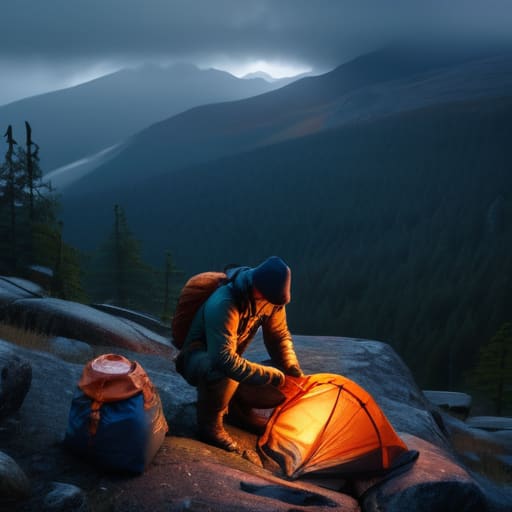
When you’re four hours from the nearest trailhead and the weather has turned, a standard blister kit won’t save you. In these environments, remote area medical protocols shift from simple wound care to managing the reality of delayed help. I’ve sat in a bivvy bag at 3:00 AM, watching a client struggle with a sprained ankle, and the difference between a controlled situation and a crisis is how you manage the environment. You aren’t just treating a person; you are managing their temperature, their hydration, and their psychological state.
If you are serious about wilderness medicine essentials, you need to stop thinking about “fixing” things and start thinking about stabilization. This means having the tools to manage more significant issues, like an effective way to splint a limb or the ability to manage a heavy bleed if someone takes a tumble on the scree. I’ve carried the same trauma shears for six years through grit, mud, and freezing rain; they are heavy, but they are a non-negotiable part of my emergency trauma response. You aren’t looking for a cure—you are looking to bridge the gap between the accident and the rescue.
The Small Decisions That Keep a Crisis from Becoming a Catastrophe
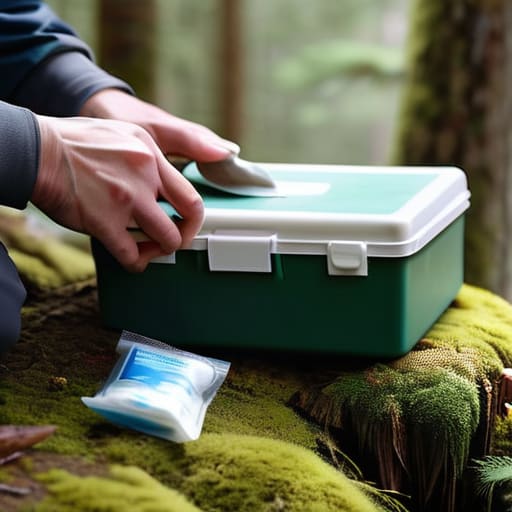
- Stop treating your first aid kit like a pharmacy and start treating it like a toolkit. I’ve spent twenty years seeing people carry massive, heavy kits full of things they’ll never use, while missing the one thing they actually need—like a decent pair of trauma shears or enough sterile saline to actually clean a wound. If it doesn’t serve a specific, high-probability purpose for the terrain you’re in, leave it at home and save the weight.
- Learn the difference between “I’m uncomfortable” and “I am in trouble.” In my experience, the most dangerous moment is when a person decides to push through a minor ache or a bit of shivering because they don’t want to be the one to ruin the group’s momentum. You need to be able to identify the early signs of hypothermia or exhaustion before the decision to turn back becomes a decision to call for a mountain rescue.
- Your most important piece of medical equipment isn’t in your bag; it’s your ability to manage the environment. I’ve seen perfectly fine injuries turn into life-threatening situations because someone tried to treat a wound while the patient was sitting on cold, wet ground. If you are treating someone, get them off the earth, get them out of the wind, and get them dry first. You can’t fix a body that’s losing heat faster than you can patch it up.
- Don’t trust your memory when the adrenaline hits. When things go sideways—and they will—your brain isn’t going to be functioning at its peak. I always keep my medical instructions or a basic protocol cheat sheet tucked into a waterproof sleeve inside my kit. I’ve used my current kit for roughly four years in everything from summer hiking to mid-winter scrambles, and I can tell you that under stress, you will forget even the simplest steps if you haven’t practiced them.
- Communication is a medical intervention. If you are remote, your first priority after stabilizing a patient is establishing how you are going to get help and how you are going to tell them exactly what is happening. Knowing your exact coordinates and having a way to communicate—whether it’s a PLB or a reliable signal—is just as vital as having the right dressings. An injury is a problem; an injury you can’t communicate is a disaster.
The Cost of Optimism
“A first aid kit isn’t a safety net that catches you when you’re being reckless; it’s a toolkit for when your best-laid plans meet a reality that doesn’t care about your itinerary. I’ve seen more people struggle because they carried a lightweight kit for a sunny stroll, only to find themselves bleeding or shivering in a gale, than I have seen people actually injured by the terrain itself.”
Bridget Halloran
The Gap Between Planning and Reality
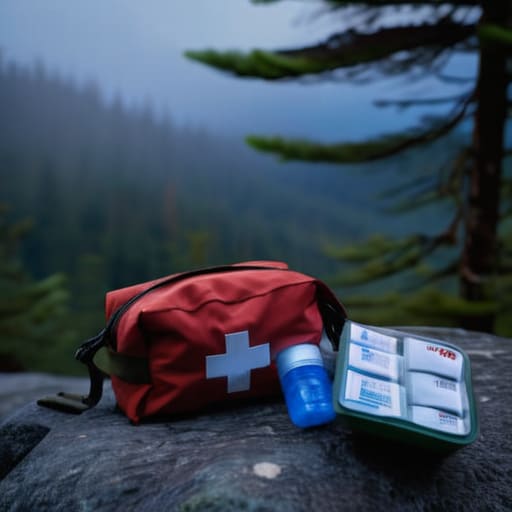
At the end of the day, a first aid kit is just a collection of plastic and fabric until you actually have to use it. We’ve talked about the weight of your supplies, the necessity of moving beyond basic bandages, and the protocols required when you’re miles from the nearest road. But none of that gear matters if you haven’t accounted for the human element—the panic that sets in when the wind picks up or the light fails. You need to carry the right tools, yes, but you also need to carry the mental discipline to use them. Don’t let a lightweight kit become a reason to skimp on the heavy-duty items like Sam Splints or trauma shears; preparedness is a spectrum, and you want to be on the side that leans toward over-prepared.
I have spent two decades watching the weather turn and seeing how quickly a simple slip becomes a survival situation. My advice is always the same: respect the mountain, but more importantly, respect your own limitations. The most important piece of medical equipment you own isn’t in your pack; it’s your ability to make a sober decision before the crisis peaks. If the weather is turning or your group is flagging, turn back. Being “brave” is often just another word for being unprepared, and in my experience, the best way to enjoy the wild is to ensure you’re actually capable of coming home from it.
Frequently Asked Questions
How do I know when a minor scrape has become a serious infection risk in wet, damp conditions?
In the Highlands, moisture is your enemy. If a scrape stays sodden because of damp socks or constant mist, the skin macerates—it turns white and soft, which is when bacteria move in. I’ve seen small nicks turn nasty because someone ignored the redness spreading outward or the heat radiating from the wound. If it’s throbbing, swollen, or leaking something other than clear fluid, stop walking. That’s not a “minor” issue anymore; that’s an infection.
What is the actual threshold for deciding to call for help versus trying to manage an injury myself in the field?
The threshold is usually found when your ability to manage the environment or the injury is compromised. If an injury prevents someone from moving at a pace that keeps them ahead of a weather front, or if you’re spending so much time treating a wound that you’re losing daylight, you call. I’ve seen too many people try to “tough it out” only to find themselves shivering in the dark with a stabilized fracture they can’t actually walk on.
How do I keep my medical supplies functional and dry when I'm living out of a pack for several days in a storm?
Forget the “waterproof” labels on your pack’s lid; they’re a lie once the wind starts driving rain sideways. I’ve spent three days in a soaked tent in the Cairngorms where nothing stayed dry without intention. Use heavy-duty dry bags for your kit, not just Ziplocs—they split when you’re fumbling in the dark. I’ve used Sea to Summit Big River bags for five years in constant damp; they hold. If it isn’t double-bagged, it isn’t dry.