I remember a group I led back in 2014—a lovely, keen lot—who had spent a small fortune on the flashiest, lightest ultralight boots you could find in any city shop. They looked great in the trailhead photos, but three hours into a sodden, peat-heavy ascent in the Cairngorms, that “optimism” evaporated. I watched as their ankles buckled under the weight of their packs and their feet turned into numb, waterlogged blocks of ice because the Gore-Tex membranes were too thin for real grit. Most people think learning how to choose hiking boots for beginners is about reading spec sheets or chasing the latest brand trends, but they’re missing the point entirely. It isn’t about what looks good on a shelf; it’s about what holds up when the weather turns and the terrain stops being a path and starts being a problem.
If you’re still feeling unsure about how a specific pair of boots might handle the local terrain, don’t just rely on a glossy photo online; go find people who actually walk these hills every week. I’ve found that getting a sense of what others are wearing in our specific climate is far more useful than any manufacturer’s spec sheet. If you want to see what the actual community is using for weekend treks around here, you can find some great local chat in East Midlands where people discuss their gear in real-world conditions. It’s worth listening to the consensus before you drop a hundred pounds on something that might end up sitting in the back of your wardrobe because it’s too stiff for a Sunday stroll.
I’m not here to sell you on a lifestyle or repeat a marketing brochure. My goal is to give you the unvarnished truth about what actually works when you’re tired, wet, and miles from the car. I’ll talk about weight, support, and traction based on years of actual use in horizontal rain and scree, not just a showroom floor. If you want to know how to pick gear that keeps you moving instead of forcing an early turn-back, you’re in the right place.
Decoding Hiking Boot Types for Beginners and Their Limits
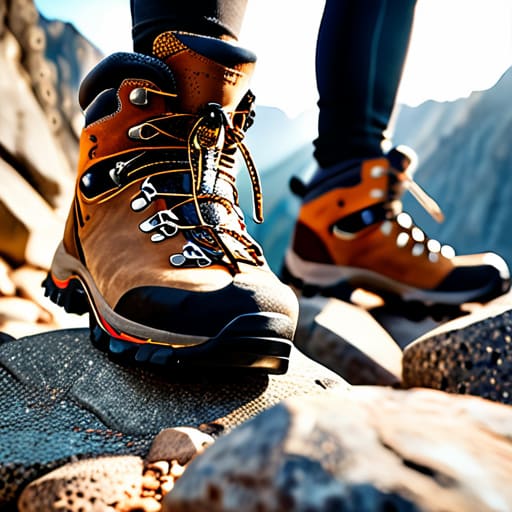
Most beginners make the mistake of thinking a “hiking boot” is a single, universal category. It isn’t. You’ll see lightweight trail shoes, mid-cut boots, and heavy-duty leather mountaineering boots all sitting on the same shelf. If you’re just starting out on well-maintained paths, a low-cut shoe might suffice, but the moment the terrain turns technical or the scree starts sliding, you’ll feel the lack of stability. For most of my clients, I suggest a mid-cut boot; they offer a sensible balance of weight and the importance of ankle support in hiking when your legs are fatigued at the end of a ten-mile day.
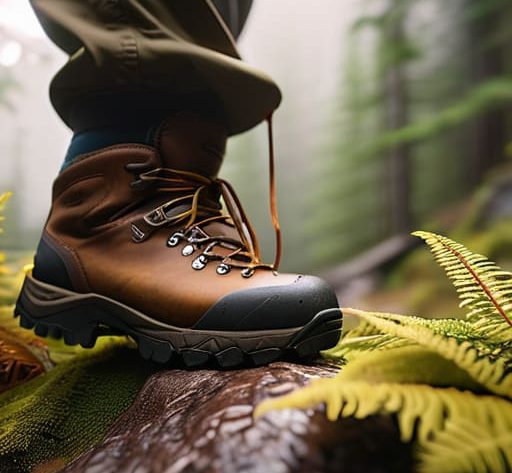
You also need to decide between waterproof vs breathable hiking footwear. I’ve spent a decade wearing Gore-Tex lined boots through peat bogs and sleet, and while they keep you dry, they can feel like wearing plastic bags if the weather stays warm. If you’re heading into high-altitude or boggy environments, waterproofing is non-negotiable, but don’t expect them to be magic. I’ve used my current pair of leather boots for four seasons of heavy use in the Lake District, and they still hold up because I chose durability over fashion.
Waterproof vs Breathable Hiking Footwear Choosing Your Microclimate
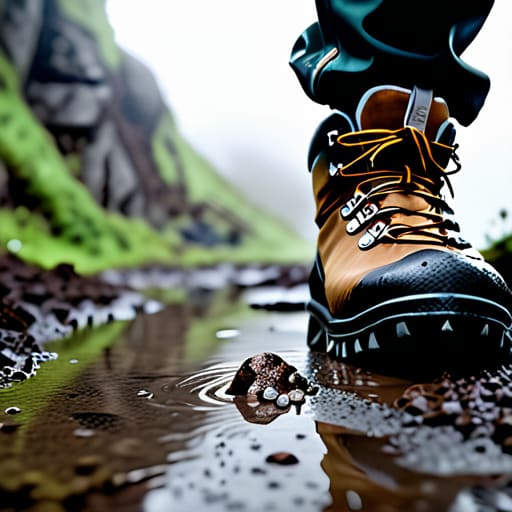
The marketing brochures will tell you that a membrane can keep you bone-dry while simultaneously letting your sweat evaporate into thin air. In theory, that sounds perfect. In practice, when you are halfway up a steep, boggy ascent in the Lake District with the humidity hitting 90%, you are essentially creating a swamp inside your own sock. This is the fundamental tension of waterproof vs breathable hiking footwear. If the boot is truly waterproof, it traps heat; if it’s highly breathable, you might find yourself with wet feet from the outside in.
I’ve spent fifteen years testing different membranes, and I’ve learned that “breathable” is a relative term. I carry my old leather boots for long, dry summer treks because they breathe better than any synthetic Gore-Tex ever could, and I rely on heavy-duty waterproof builds when I know I’ll be wading through heather and peat hags. Before you commit, decide what your primary threat is: is it a sudden downpour or the sheer heat of your own exertion? If you choose wrong, you aren’t just uncomfortable; you’re dealing with blisters that will end your day much faster than a steep climb.
Five Realities They Don't Put on the Box
- Shop when your feet are at their worst. I’ve spent twenty years seeing people buy boots at 9:00 AM on a fresh leg, only to find that by hour six on a steep descent, their feet have swollen into a different size entirely. Go to the shop in the late afternoon, after you’ve been on your feet all day, and wear the actual socks you intend to use on the trail.
- Test the “Toe Strike” on a slope. Most shops have a little ramp or a way to incline the foot. If you’re standing on a downward slope and your toes are jamming into the front of the boot, do not buy them. You might feel fine on the flat shop floor, but that pressure will turn into a bruised toenail by the second mile of a descent, and that’s a one-way ticket to an early exit.
- Ignore the “break-in” myth and look for flexibility. People say you need to “break in” boots, but what they actually mean is you need to let the materials settle around your specific foot shape. I’ve used my current leather mid-cut boots for three seasons now, through peat bogs and scree slopes, and the key wasn’t just time; it was ensuring the sole wasn’t so stiff it felt like walking on wooden planks. If it feels like a brick in the shop, it’ll feel like a sledgehammer on the mountain.
- Weight is a deceptive metric. A manufacturer will tell you the gram weight, and it looks great on a spreadsheet. But weight matters more when you’re tired, wet, and navigating a ridge in the wind. I’ve carried ultra-light hikers that felt fine for a three-hour stroll, but after six hours in a downpour, the lack of lateral support made my ankles feel like they were made of jelly. If you’re a beginner, prioritize stability over shaving off fifty grams.
- Check the “Lace-to-Ankle” connection. A boot is only as good as its ability to lock your foot in place. When you lace them up, ensure there is no “heel lift”—that sliding sensation where your heel moves up and down as you step. If that happens, you’re begging for blisters. I’ve seen more people sidelined by friction-induced blisters than by actual injuries, and it almost always starts with a poorly secured fit.
The Final Decision
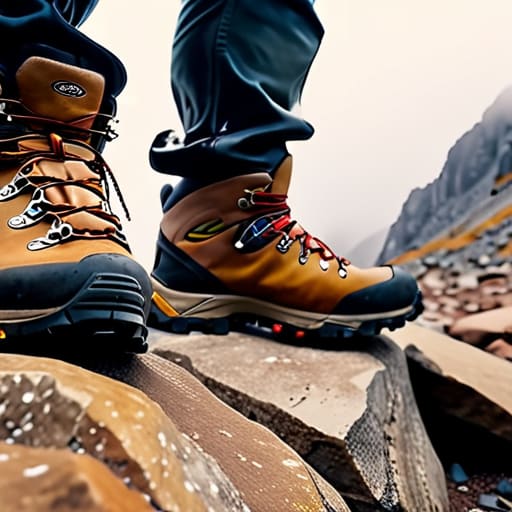
At the end of the day, choosing boots isn’t about finding the most expensive pair in the shop or the one with the prettiest tread pattern; it is about matching the tool to the terrain you actually intend to walk on. You need to weigh the trade-offs between the stability of a heavy leather boot and the agility of a lightweight trail shoe, while remembering that a waterproof membrane is only as good as your ability to manage the moisture inside it. Don’t let a marketing brochure convince you that a boot can do everything. If you buy for the easy summer stroll but find yourself on a scree slope in a downpour, you’ve made that one optimistic decision I’m always talking about. Prioritize fit and support over everything else, because once your feet start failing, the mountain stops being a place of recreation and starts being a problem to solve.
Once you have the right boots on your feet, the real work begins—the walking, the breathing, and the quiet observation of the landscape. I’ve spent twenty-two years watching people find their rhythm on the hills, and there is nothing quite like the confidence that comes from knowing your equipment won’t let you down when the weather shifts. The mountains are waiting, and they are generally indifferent to your presence, which is exactly why we prepare. Get the gear right, respect the daylight, and listen to your body when it tells you it’s time to turn back. That is how you stay out there, year after year, seeing the things most people miss.