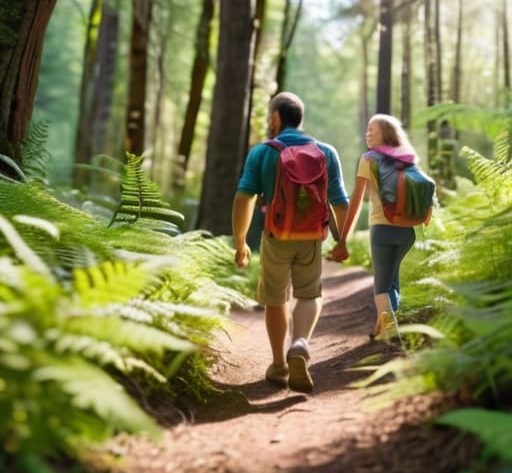
I once spent four hours in a damp valley near the Cairngorms, watching a father try to navigate a steep scree slope while his six-year-old performed a slow-motion meltdown because their “adventure snack” was a crushed granola bar. He was decked out in brand-new, expensive technical gear that had clearly never seen a speck of mud, yet he was completely unprepared for the reality of how to hike with children. Most parenting blogs will tell you that it’s all about the right lightweight backpack or a colorful compass, but they ignore the fact that a child’s mood is more volatile than a mountain weather forecast.
I’m not here to sell you on a lifestyle or a specific brand of overpriced miniature hiking boots. Instead, I’m going to give you the unvarnished truth based on twenty-two years of watching people—both adults and small humans—make mistakes on the hills. We will talk about the boring, essential stuff: managing energy levels before the clouds roll in, the exact layering systems that actually work when a toddler starts running, and when to make the hard call to turn back.
Table of Contents
Age Appropriate Hiking Distances and the Daylight Math
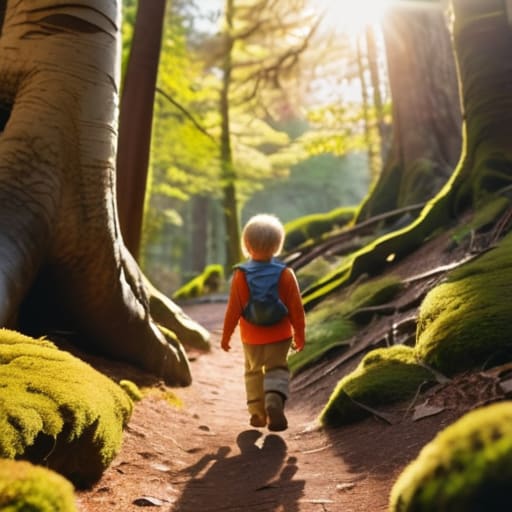
The biggest mistake I see parents make is looking at a map and seeing a distance, rather than a timeline. A three-mile loop on a well-maintained path is one thing; three miles of uneven terrain with a three-year-old is a different universe entirely. When calculating age-appropriate hiking distances, you have to stop thinking in miles and start thinking in minutes. I’ve seen too many families get caught in the “optimism gap”—that space between a sunny trailhead and a freezing, dark descent—because they assumed a toddler would keep pace with an adult.
You need to build a buffer into your schedule that accounts for the inevitable. This means planning to be off the ridge or back at the car at least ninety minutes before sunset. If you’re out with smaller children, your “daylight math” needs to include time for staring at a beetle or a sudden meltdown. If you don’t factor in those pauses, you aren’t hiking; you’re just racing against a clock that is always winning. Always prioritize the light over the summit.
A Hiking Safety Checklist for Families and Small Humans

When I’m leading adult groups, my kit list is a matter of survival; with children, it’s a matter of preventing a total breakdown. You can’t rely on a child’s ability to judge a changing wind chill, so your hiking safety checklist for families needs to be built around their physiological limits. I always carry a dedicated “emergency” layer for them—even if the sun is out—because once a toddler gets damp and cold, the hike is effectively over. I’ve spent fifteen years watching how quickly a small body loses heat, so don’t skimp on the base layers.
Food is your second line of defense. I’ve found that kid-friendly trail snacks act as more than just fuel; they are essential tools for managing toddler tantrums on trails. When the fatigue hits and the mood shifts, a handful of dried fruit or a bit of cheese can buy you another thirty minutes of calm. I keep a lightweight, waterproof pouch in my hip belt specifically for this. It’s not about the calories alone; it’s about managing the emotional energy required to get everyone back to the car before the light fails.
The Small Details That Keep the Day from Falling Apart
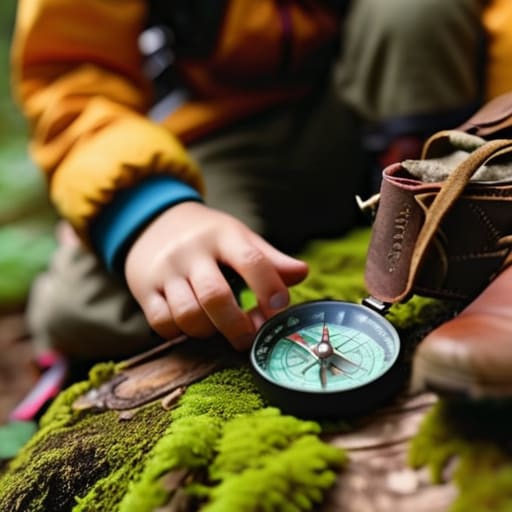
- Stop treating the forecast like a suggestion. If the clouds are bruising over the ridge and you’ve got three kids in lightweight fleece, you turn around. I’ve seen too many “easy” family walks turn into shivering, daylight-deprived scrambles because someone thought the wind wouldn’t pick up once they hit the summit.
- Pack the “Boring” Calories. Forget the sugary sweets that give them a ten-minute spike and a massive crash; you need slow-release energy. I always carry extra oat bars and dried fruit in my hip belt—stuff I’ve tested over twenty years of long-haul mountain days—because a hungry child is a child who stops moving, and a stopped child is a child who gets cold.
- The Boot Reality Check. I cannot stress this enough: do not let them hike in brand-new trainers or flimsy sandals just because they look cute. I’ve spent more time helping families navigate muddy, uneven footpaths because their footwear lacked any real ankle support or grip. If the boots don’t have decent lugs and a broken-in feel, stay on the gravel paths.
- Manage the “Micro-Decisions.” Kids don’t fail because of the big mountain; they fail because of the small, cumulative decisions. Every time they stop to look at a bug or a stone, you are losing daylight. I use a “stop-and-go” rhythm—planned, frequent breaks where everyone sits on a waterproof sit-mat—so the unplanned, whining breaks don’t happen when you’re actually trying to navigate a tricky section.
- Carry More Weight Than You Think You Need. I’ve carried a 12kg pack for a decade, and the rule is always the same: if you think you have enough extra layers and emergency rations, you don’t. For kids, that means an extra waterproof shell for every single person and a heavy-duty thermal layer that stays bone-dry in your pack, regardless of how much they sweat.
The Cost of Optimism
“When you’re hiking with kids, your biggest enemy isn’t the terrain or the incline; it’s the optimistic decision to push for that summit just as the light starts to fail and the temperature drops. I’ve spent twenty years watching people get caught out because they prioritized a goal over a child’s energy levels, and in the mountains, being ‘almost there’ is often where the real trouble begins.”
Bridget Halloran
The Hard Truth and the Real Reward
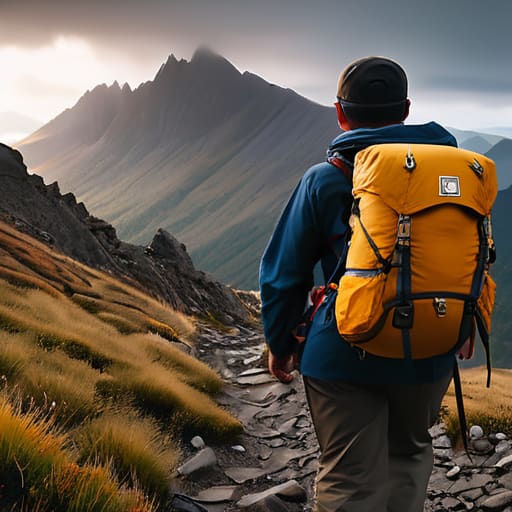
At the end of the day, hiking with children isn’t about hitting a specific peak or checking a summit off a list; it’s about managing the variables you can actually control. You have to be the one to do the math on the daylight, pack the extra layers even when the sun is out, and—most importantly—be the person who is willing to turn back before the weather turns. If you respect the distance, prepare for the temperature drops, and keep your safety kit accessible, you’ve already won half the battle. It’s about closing that gap between a fun afternoon and a dangerous situation by making the boring, correct decisions long before the clouds start to grey out.
I’ve spent twenty-two years watching the hills change, and if there is one thing I know, it’s that the mountains don’t care about your itinerary. They don’t care if the kids are tired or if you’ve driven three hours to get here. But if you approach them with a bit of humility and the right kit, they offer something you can’t find anywhere else. There is a specific kind of magic in watching a child discover a nesting site or navigate a scree slope for the first time. Don’t aim for the perfect summit; aim for the steady, safe return, because that is where the real sense of adventure actually begins.
Frequently Asked Questions
How do I know when the weather has actually turned too dangerous to continue with kids, rather than just being "uncomfortable"?
The line between “uncomfortable” and “dangerous” is usually drawn by your ability to keep your group focused. If the wind is picking up and you’re spending more time managing shivering, crying, or distracted children than you are watching the trail, you’ve crossed it. When the temperature drops and the kids lose their ability to follow simple instructions, the “optimistic decision” to push for the summit becomes a liability. Turn back before the weather makes the decision for you.
What kind of specific footwear should I be looking for in children to ensure they don't end up with blisters or wet feet halfway up a ridge?
Don’t just buy whatever looks rugged in the shop window. I’ve spent twenty years watching kids’ feet fail because of poor fit. Look for a boot with a stiff sole and decent ankle support, but the real killer is moisture. I’ve used the Scarpa Terra GTX for over five years in boggy Lakeland conditions; they keep feet dry, but only if they fit perfectly from day one. If they’re too big, they’ll blister; too small, and you’re heading home early.
How do I manage the weight of extra gear and snacks without making the pack so heavy that it slows the whole group down?
The trick isn’t just packing less; it’s about strategic distribution. I’ve spent fifteen years learning that a heavy pack is a slow pack, and a slow pack leads to bad decisions when daylight fades. Use lightweight, modular dry bags for snacks so you aren’t carrying bulky, half-empty containers. I’ve used the Osprey Talon 22 for three seasons in heavy rain and wind; it carries weight close to the spine, which is vital when you’re balancing extra layers and kid-sized gear.