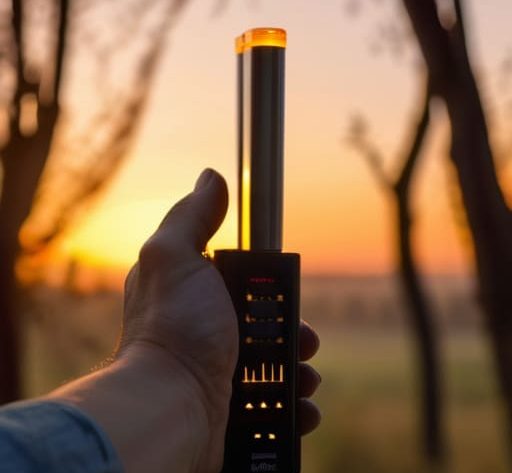
I remember standing in a sodden, wind-whipped valley in the Peak District three years ago, staring at a piece of kit that cost more than my first car, only to realize I couldn’t make heads or tails of the garbled mess on the screen. Most manufacturers will try to sell you on the idea that understanding how bat detectors work requires a PhD in acoustics or a thousand-pound investment in proprietary software, but that’s mostly just marketing noise. In reality, you don’t need a laboratory setup to find a pipistrelle; you just need to understand how to translate a high-frequency pulse into something your human ears can actually make sense of before the dew turns to frost.
I’m not here to recite a technical manual or repeat a glossy press release. I’m going to explain the mechanics of these devices based on the hundreds of hours I’ve spent squinting at them in the dark, from cheap handhelds to the more robust models I’ve carried through peat bogs. I’ll tell you exactly what the tech is doing, where it fails when the temperature drops, and how to actually listen to the landscape without getting bogged down in the jargon.
Table of Contents
Catching Ultrasonic Sound Waves Before They Vanish
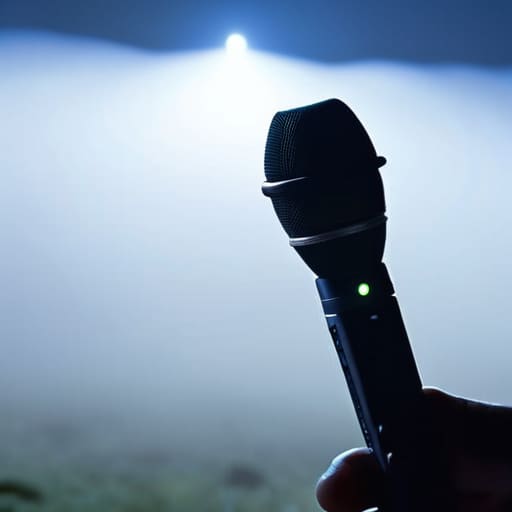
To catch these signals, you aren’t looking for something a human ear can register; you’re hunting for ultrasonic sound waves that exist entirely above our hearing range. Most of the bats I track out in the Cairngorms use a specific type of echolocation technology that functions like a biological sonar. They emit a pulse, wait for the bounce, and use that return to navigate the dark. To record this, the device relies on specialized ultrasonic microphones designed to be incredibly sensitive to those high-pitched, rapid-fire clicks.
I’ve spent a fair amount of time testing different handheld units during late-season surveys, often in heavy, damp mist where the air feels thick enough to swallow sound. The hardware has to be precise; if the microphone can’t distinguish between the wind buffeting the casing and the actual bat echolocation frequencies, you’re just left with a useless recording of static. It isn’t just about “hearing” them, though. It is about capturing a clean enough signal so that when you sit down later for the bioacoustic data analysis, you can actually tell the difference between a Pipistrelle and a much rarer species.
The Heavy Lifting of Ultrasonic Microphones
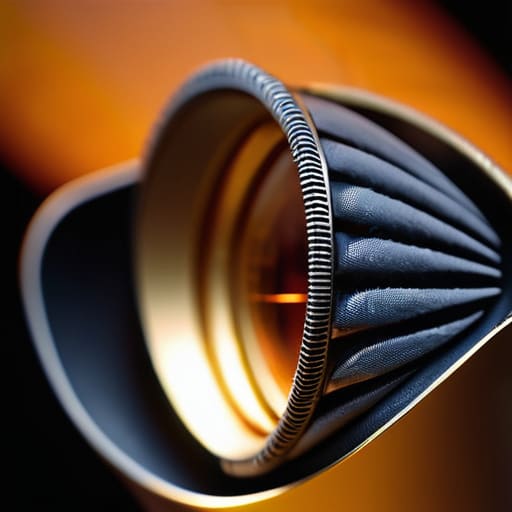
The real work happens at the microphone level. Most people think of microphones as something for singing or podcasts, but ultrasonic microphones are a different breed entirely. They aren’t designed to catch the low, warm tones of a human voice; they are built to react to the rapid-fire, high-frequency pulses of bat echolocation frequencies. I’ve spent several nights in the Cairngorms with a handheld unit, and the first thing you notice is how sensitive these components are. If the diaphragm isn’t high-quality, the signal just turns into a useless smear of electronic noise.
When you’re out in the field, you aren’t just looking for a sound; you are trying to capture a specific window of energy before it dissipates into the wind. These sensors have to be incredibly responsive to pick up the subtle shifts in ultrasonic sound waves as a bat adjusts its flight path. It’s a delicate balance of hardware—if the microphone is too cheap, you’ll spend your entire morning in the tent doing bioacoustic data analysis only to realize you’ve recorded nothing but static. You need gear that can actually handle the physical reality of the environment.
Making sense of the noise: 5 things to remember before you start listening
- Don’t expect a soundtrack. Most bat calls are far above the range of human hearing, so you aren’t “listening” to the woods; you are listening to a machine interpret data. If you haven’t spent a few hours getting used to how your specific device translates those pulses into clicks or whistles, you’ll just end up frustrated by the silence.
- Watch your proximity to the canopy. I’ve used the Pettersson models for about four seasons now, mostly during dusk surveys in damp, deciduous woodland, and you’ll find that thick foliage acts like a sponge for those high-frequency waves. If you’re standing too deep in the brush, you’re going to miss the very thing you’re looking for.
- Mind the wind noise. It sounds trivial until you’re standing on a ridge in a crosswind and your microphone is picking up nothing but a low-frequency roar that drowns out the ultrasonic signal. I always carry a dedicated foam windscreen—even if the manufacturer says it’s fine—because a bit of extra protection is better than a useless recording.
- Learn the difference between a “real” bat and a mechanical glitch. I’ve spent many a damp evening thinking I’d found a rare species, only to realize it was just electronic interference or a particularly sharp rustle of dry leaves. You need to learn the specific “shape” of a bat’s call on your device’s display before you start making any definitive notes in your log.
- Timing is everything, and it isn’t just about the sun going down. Bats are most active in that narrow window of twilight, but if the temperature drops too sharply or the rain starts coming down sideways, they’ll stay tucked away. If you haven’t seen anything in thirty minutes of steady monitoring, don’t force it; the weather has likely made the decision for you.
## The reality of listening to the dark
“A bat detector isn’t some magic wand that reveals a hidden world; it’s just a tool that helps you bridge the gap between what your ears are biologically incapable of hearing and the reality of what’s actually happening in the canopy. I’ve spent twenty years listening to the wind and the rain, and I’ve learned that if you don’t understand the way these sensors actually translate a frequency, you’re just standing in a dark field holding an expensive piece of plastic.”
Bridget Halloran
Listening to the unseen
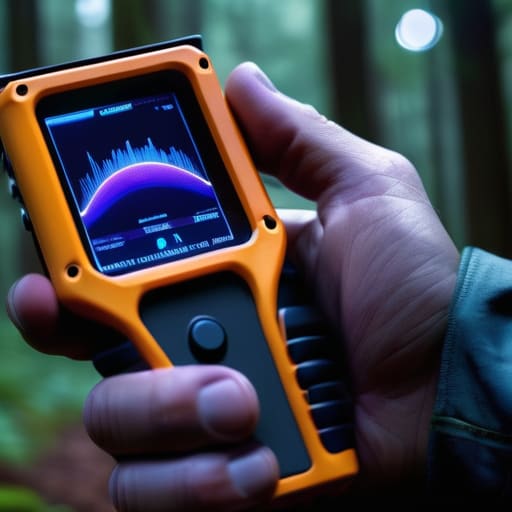
At the end of the day, a bat detector is just a bridge between two very different worlds. It takes those frantic, ultrasonic pulses—the ones your ears simply aren’t built to catch—and translates them into a frequency we can actually interpret. We’ve looked at how the specialized microphones catch the waves and how the internal processing turns raw data into something meaningful. It isn’t magic; it’s just a bit of clever engineering designed to help us catch up to a world that is constantly moving just beyond our biological limits. Whether you are using a handheld unit for a quick evening stroll or a fixed recorder for a long-term study, remember that the tech is only as good as your ability to read the environment around you.
I’ve spent many evenings standing in damp, heavy air, waiting for a signal that never seems to come, only to have a single, sharp chirp pierce the silence. It’s a reminder that the most rewarding parts of being outdoors often happen in the margins of what we can see. Using these tools doesn’t make you a scientist, but it does make you a better witness to the landscape. Once you start hearing the rhythm of the night, the woods stop being a silent backdrop and become a living, breathing network. It’s worth the extra weight in your pack to finally join that conversation.
Frequently Asked Questions
Will these detectors actually work if I'm standing in a heavy downpour or thick mist?
I took my handheld unit out during a steady, driving rain last November in the Peak District to see if the wetness mattered. The short answer is: yes, they work, but the conditions change what you actually hear. Mist and heavy rain act like a dampener, absorbing those high-frequency signals before they reach your microphone. You won’t lose the bats, but you’ll likely find your detection range shrinking significantly compared to a dry, still night.
Do I need to be an expert in acoustics to make sense of the data, or is there a way to hear them in real-time?
You don’t need a degree in acoustics, but you do need patience. Most modern detectors translate those high-pitched squeaks into audible clicks or chirps in real-time through headphones, which is how I usually check if the unit is actually picking anything up before I commit to a long walk. If you’re looking at the raw data files later, it gets more technical, but for field use, if you can hear the pattern, you’re doing fine.
How much extra weight am I actually carrying when I add a dedicated detector to my kit compared to just using a smartphone app?
If you’re weighing up a dedicated unit against a phone app, you’re looking at a trade-off between convenience and actual data. My current handheld unit weighs 450g; I’ve carried it through three seasons of damp, heavy mist in the Cairngorms, and it’s reliable. A smartphone is lighter, sure, but once the battery dies in the cold or the touchscreen fails in a downpour, that “weight saving” becomes a liability. I’d rather carry the extra grams than nothing at all.