I remember sitting in a bivvy bag somewhere near the Cairngorm plateau in 2012, listening to the wind scream against the flysheet and realizing I’d made a massive mistake. It wasn’t because I lacked the most expensive, high-tech titanium stove on the market; it was because I’d underestimated how quickly a small drop in temperature turns a quiet night into a battle for survival. Most of the gear guides you read online make learning how to camp in snow sound like a series of easy, aesthetic checkboxes, but they rarely mention the sheer, bone-deep exhaustion of trying to melt snow for water when your fingers are too numb to work a lighter.
I’m not here to sell you on a lifestyle or a specific brand of overpriced down jacket. Instead, I want to talk about the actual mechanics of staying warm and dry when the environment stops being polite. I’ll be sharing the specific, unglamorous realities of site selection, moisture management, and the kit I’ve personally relied on through decades of freezing nights. If a piece of gear hasn’t earned its place in my pack through at least three seasons of heavy use, I won’t tell you to buy it.
Table of Contents
Winter Camping Gear Essentials That Actually Work
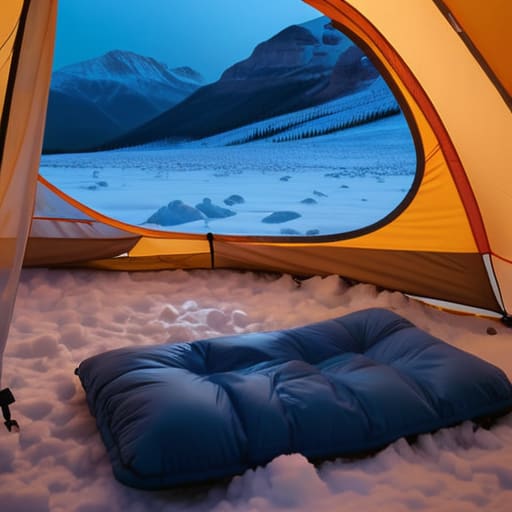
I’ve spent twenty-two years seeing what happens when people treat winter like a summer trip with extra layers. Most of it comes down to the ground. You can have the most expensive down sleeping bag on the market, but if you aren’t insulating sleeping pads for cold correctly, you’re just sleeping in a glorified refrigerator. I’ve used the Therm-a-Rest NeoAir XTherm for five seasons now, through sub-zero nights in the Cairngorms and wind-scoured plateaus; it’s the only thing that keeps the frost from creeping up through my spine. You need a high R-value, and you need it under both you and your pack.
Then there is the matter of your shell. I’ve spent the last three winters in the Arc’teryx Beta AR, mostly because it handles the transition from heavy snow to driving sleet without feeling like a plastic bag. When you’re managing moisture in winter tents, your clothes are your most critical piece of equipment. If you let your base layers get damp from sweat during the ascent, you’ve already lost the battle before you’ve even pitched the tent. Keep your spares in dry bags, and for heaven’s sake, don’t trust a “water-resistant” label when the temperature is dropping.
Preventing Hypothermia in Snow Before the Forecast Shifts
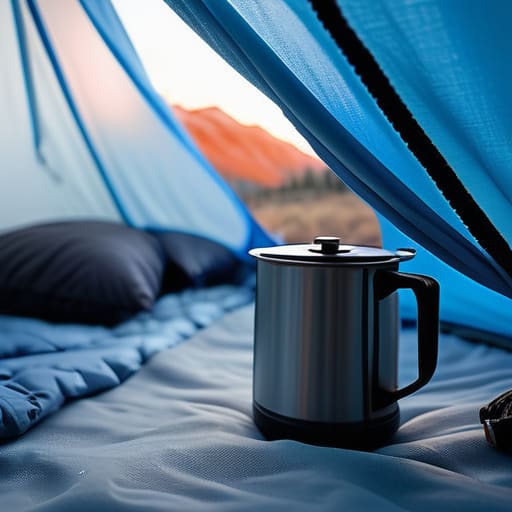
The real danger isn’t the temperature on the thermometer; it’s the moisture trapped against your skin. I’ve seen too many people freeze because they waited until they were shivering in the tent to start changing. If you are working hard, hiking or setting up camp, you are generating heat. If you let that sweat soak your base layer, you have effectively invited hypothermia to sit down next to you. Managing moisture in winter tents starts long before you zip the fly; it starts with stripping off your damp shell the moment you stop moving.
You also cannot underestimate the ground. I once spent three nights in a bivvy in the Cairngorms where the wind was manageable, but the cold seep from the frozen earth was relentless. You need more than just one foam mat. I use a combination of a closed-cell foam pad and a high-R-value inflatable; I’ve used this specific setup for four seasons straight in sub-zero conditions, and it’s the only reason I’m not waking up numb. When it comes to preventing hypothermia in snow, your insulation is a system, not a single item. If the ground steals your heat, your sleeping bag can’t win that fight.
The Small Decisions That Stop a Night From Turning Sour
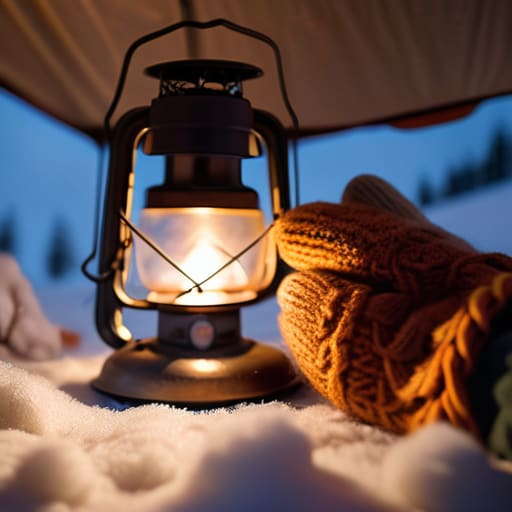
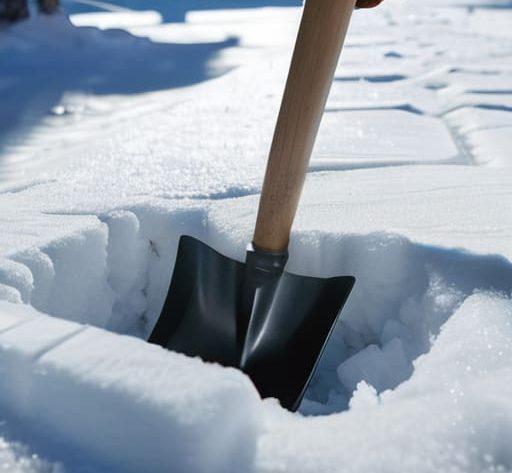
- Site selection is everything. I’ve spent too many nights trying to pitch in a depression that turned into a frozen puddle by 3:00 AM. Find a flat, elevated spot that isn’t a natural wind funnel. If you’re in deep snow, you’re better off digging a snow pit for your tent rather than trying to fight the drifts.
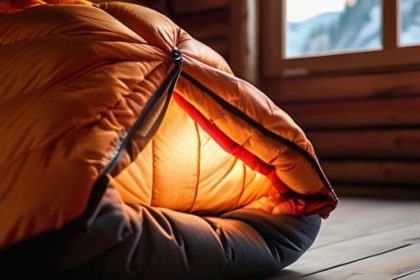
- Manage your moisture like your life depends on it, because it does. I’ve used the Rab Neutrino jacket for five winters now, mostly in damp, freezing conditions, and the rule remains: never sleep in the clothes you sweated in during the hike. If you put damp base layers in your sleeping bag, you’re essentially sleeping in a cold compress.
- The stove is your most important piece of survival gear, not just for tea. I carry my MSR Reactor because I’ve used it in sub-zero winds for over a decade and it actually lights when everything else is failing. You need it to melt snow for water; if you run out of liquid water and your fuel is low, you are in serious trouble.
- Don’t trust a “clear” sky at dusk. I once led a group through a ridge descent when the sky looked perfectly fine, only for the temperature to plummet ten degrees in twenty minutes as the light faded. Always assume the temperature will be lower than the forecast says and that the wind will be stronger once you’re actually on the ridge.
- Insulation from the ground is non-negotiable. I’ve tested various R-values over the last twenty years, and if you aren’t using a high-quality closed-cell foam pad underneath your inflatable one, the ground will suck the heat right out of you. It doesn’t matter how expensive your sleeping bag is if you’re lying on a sheet of ice.
The Cost of Optimism
People tend to treat a snow forecast like a suggestion rather than a physical reality; they pack for the sunny afternoon they hope for, instead of the midnight gale that actually arrives. In the mountains, you don’t survive because you have the best gear, you survive because you stopped moving when the light failed and you didn’t let a ‘bit of a breeze’ turn into a survival situation.
Bridget Halloran
The Decision at the Ridge
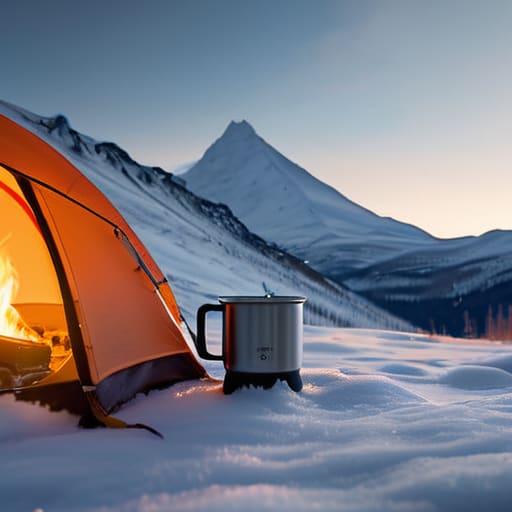
At the end of the day, successful snow camping isn’t about having the most expensive technical shell or the lightest titanium stove; it’s about the discipline to manage your own microclimate. It’s about remembering to shed that sweat-soaked base layer the moment you stop moving, ensuring your sleeping pad has enough R-value to stop the ground from stealing your heat, and having the sense to check your fuel levels before the light fails. If you’ve managed your layers, insulated your site, and kept your kit dry, you’ve already won half the battle. The rest is just about respecting the fact that snow is a moving target, and your gear is only as good as the way you use it.
There is a specific, quiet kind of magic that happens when the wind drops and you’re tucked into a bivvy, listening to the snow settle in the dark. It’s a stillness you can’t find anywhere else, but it’s a privilege earned through preparation, not luck. Don’t let the fear of the cold keep you indoors, but don’t let an optimistic afternoon fool you into thinking the mountain owes you anything. Learn the signs, respect the margins, and know when to turn back. When you do that, the winter landscape stops being something to survive and starts being something you can actually belong to.
Frequently Asked Questions
How much extra insulation do I actually need for my sleeping pad to stop the ground from sucking the heat out of me?
The ground is a heat sink, and it doesn’t care how expensive your sleeping bag is. I’ve spent many a night on frozen peat, and if your R-value isn’t at least 5, you’re fighting a losing battle. I use a Therm-a-Rest NeoAir XTherm (R-value 7.3) which I’ve used for three seasons in sub-zero conditions; it’s the only way I stay warm. If you’re using a thin summer pad, throw a closed-cell foam mat underneath it. It adds negligible weight but provides that critical fail-safe.
What is the realistic limit for how long I can stay out once the wind speed hits a certain point on the ridge?
There isn’t a magic number, but there is a threshold where your margin for error vanishes. Once you hit sustained winds of 40mph on a ridge, your ability to manage heat and movement drops significantly. I’ve been caught in 50mph gusts in the Cairngorms, and the reality is that you stop being a hiker and start being a victim of physics. If the wind is gusting that hard, you don’t stay; you get off the ridge immediately.
How do I manage moisture and sweat inside my layers when I'm working hard in sub-zero temperatures?
The biggest mistake people make is waiting until they feel damp to act. If you’re working hard on a climb and you start to feel that warmth turn into a heavy, clammy sensation, you’ve already lost the battle. Strip a layer off before you start sweating. I’ve spent fifteen years managing this, and the rule is simple: if you’re working, you should feel slightly too cool. You can always add heat, but shedding sweat in sub-zero temperatures is a nightmare.