I remember standing in a sodden patch of grass in the Lake District, watching a family try to wrestle a high-tech, lightweight tent into the wind while their seven-year-old sobbed because his socks were damp. They had all the expensive, brightly coloured gadgets the catalogues promised, but they had completely missed the reality of how to camp with children when the temperature drops ten degrees in twenty minutes. People treat camping with kids like it’s a lifestyle aesthetic you can buy in a shop, but the truth is much more unpredictable and significantly more muddy.
I’m not here to sell you on the magic of starlight or the “adventure” of sleeping on the ground. I’m here to talk about the logistics that actually matter: managing the inevitable meltdown when the rain starts, the weight of extra layers in a pack, and why your “lightweight” sleeping bag might be a mistake. I will give you the honest, unvarnished truth about what works when you’re tired and the weather turns, based on twenty years of seeing exactly where things go wrong.
Table of Contents
Managing Child Safety in the Wilderness and Unexpected Weather
When I was a ranger, I saw more “minor” incidents involving children than I did with adults, and usually, it wasn’t because of a lack of supervision, but a lack of situational awareness. In the hills, the terrain doesn’t care if you’re four or forty. Child safety in the wilderness isn’t about hovering; it’s about understanding that a scree slope or a swollen stream is a permanent hazard, not a playground. I always tell parents that if you haven’t scouted the immediate perimeter of your campsite for drop-offs or sharp rocks before the kids start running, you’ve already lost the initiative.
Weather is the other variable that turns a fun outing into a survival situation. I’ve spent twenty years watching a “clear sky” forecast vanish in twenty minutes on a ridge, and that’s when the panic sets in. If you’re managing kids, you cannot afford to be reactive. You need to be looking at the clouds, not the trail. If the wind picks up or the temperature drops, you don’t wait for them to shiver; you move to the shelter immediately. The gap between a damp afternoon and hypothermia is much narrower than most people realize.
A Practical Camping Checklist for Parents and Toddlers
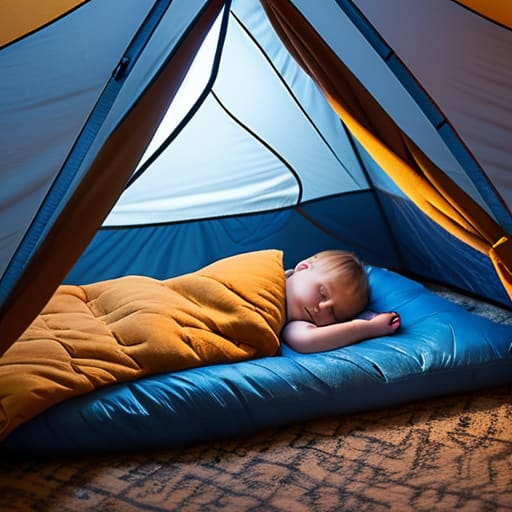
When I’m putting together a camping checklist for parents, I don’t look at the shiny brochures; I look at what actually keeps a two-year-old from becoming a liability when the temperature drops. Forget the lightweight, single-wall tents you see in ads. If you are bringing a toddler, you need the extra floor space for a portable cot or a thick sleeping mat. I’ve spent fifteen years sleeping in everything from bivvy bags to heavy canvas, and I can tell you that a child’s sleep hygiene is the thin line between a successful trip and a total breakdown. I’ve used the Nemo Oscar sleeping pad for three seasons in damp, high-altitude conditions, and it’s the only thing I trust to keep a small body off the cold ground.
Your kit bag needs to be organized by “layers of urgency.” This means having a dedicated, waterproof dry bag for camping gear for toddlers—spare socks, base layers, and those specific snacks that don’t crumble into a mess—always kept within arm’s reach. I’ve seen too many parents realize they’ve packed the toddler’s warm layers at the very bottom of a heavy rucksack only after the sun has gone down and the wind has picked up. If it isn’t accessible in the dark, it isn’t part of the plan.
Five Hard-Learned Lessons from the Field
- Respect the daylight window. I’ve seen too many families try to pitch a tent at 7:00 PM in late September, thinking they have plenty of light, only to find themselves fumbling with pegs in the dark while a toddler is having a meltdown. Aim to have your site established and your main meal eaten at least ninety minutes before the sun actually drops. If you’re working against the clock, you’re already losing.
- The “Extra Layer” rule isn’t a suggestion; it’s a necessity. I’ve carried a spare down sleeping bag in my pack for fifteen years, even when the forecast looked mild, because a damp child is a cold child, and a cold child is a crisis. Pack one more thermal layer than you think you need for them, and make sure it stays in a dry bag, not just loosely tucked in the bottom of a rucksack.
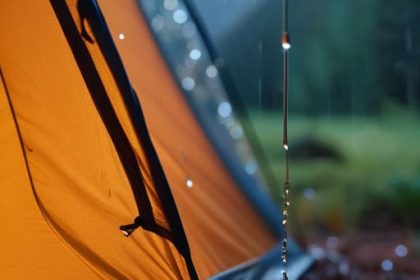
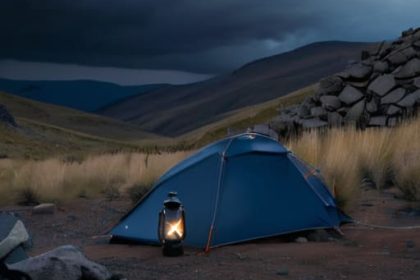
- Don’t underestimate the psychological weight of a storm. When the wind starts howling against the flysheet, a child’s world shrinks to the size of that tent. I always carry a small, lightweight headlamp—I’ve used my Petzl Actik Core for three seasons in everything from gale-force rain to heavy mist—and a book or a small, non-electronic game. Having a way to “control” the environment inside the tent prevents the panic that sets in when the weather turns.
- Footwear is non-negotiable. I cannot stress this enough. I once led a group where the parents thought their kids’ lightweight trainers would be fine for a woodland loop; three miles in, the mud turned to sludge and the kids were miserable and exhausted. If you are heading even slightly off-path, ensure they have waterproof boots with actual ankle support. A wet foot is a fast way to end a trip prematurely.
- Establish a “Base Camp” mentality. When camping with children, you aren’t on a trek; you are managing a mobile settlement. Don’t try to move too much in one day. I prefer to find a solid site, set up, and stay put. The more you try to “achieve” in terms of mileage, the more you increase the chance of an optimistic decision turning into a very long, very cold walk back to the car.
The Cost of Optimism
When you’re out there with kids, your biggest enemy isn’t a steep ascent or a heavy pack; it’s the optimistic assumption that the forecast will hold or that a toddler will sleep through a thunderstorm. I’ve seen ‘manageable’ trips turn into genuine emergencies in the twenty minutes it takes for a cloud bank to roll over a ridge, so pack for the weather you actually get, not the weather you were hoping for.
Bridget Halloran
The Reality of the Trail
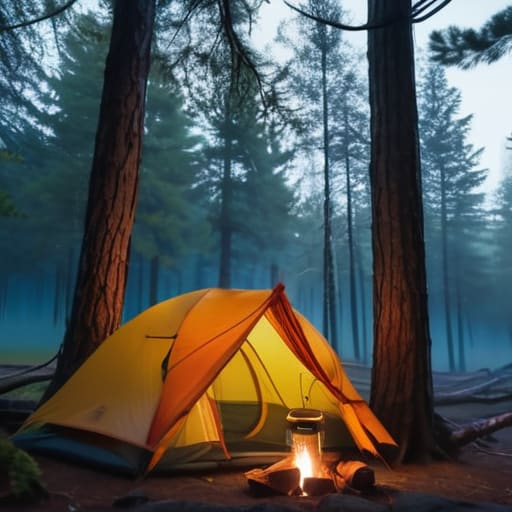
At the end of the day, camping with children isn’t about achieving some pristine, Instagram-ready wilderness experience; it is about managing the friction between your expectations and the reality of a toddler’s needs. You have to balance the heavy-duty gear and the extra layers with the hard truth that the weather will eventually shift and the daylight will inevitably fade faster than you planned. If you respect the safety margins, pack for the worst-case scenario instead of the best, and keep your kit organized, you mitigate the small mistakes that turn into mountain-side crises. It is about being prepared for the boredom and the sudden rain just as much as the summit views.
There is a specific kind of magic that happens when the wind picks up and you are all tucked into a warm, dry tent, listening to the elements lash the flysheet. Those moments of shared resilience, even if they are punctuated by a bit of grumbling, are where the real lessons are learned. You aren’t just teaching them how to pitch a tent or identify a bird of prey; you are teaching them how to navigate an unpredictable world with steady hands and a calm head. Don’t let the fear of a difficult night stop you from heading out—just make sure you have the right boots on and a very realistic plan.
Frequently Asked Questions
How do I manage sleep deprivation and tantrums when we're miles from the car and the temperature drops at dusk?
The drop in temperature at dusk is when the “optimism gap” hits hardest. When the air cools, kids lose their ability to regulate temperature, and that’s when the tantrums start. Don’t wait for them to shiver. Get them into their thermal layers and into the sleeping bag before the meltdown begins. If you’re miles from the car, you can’t “just go back”—you have to manage the environment. Warm food, immediate insulation, and accepting that sleep will be patchy.
What specific clothing layers actually work for toddlers when they're sitting still in a tent versus moving on a trail?
When they’re moving, focus on thin, moisture-wicking synthetics; avoid cotton at all costs, as dampness is the quickest way to a chill. But the real mistake is underestimating the tent. Once they stop, their core temperature drops instantly. I’ve spent three seasons testing the Rab Kid’s down jackets in damp Welsh valleys; they’re lightweight, but you must layer a fleece underneath the moment you pitch camp. If they aren’t moving, they need more than you think.
How do I decide when a weather forecast has moved from 'challenging' to 'unsafe' for the kids?
You decide when the forecast shifts from “challenging” to “unsafe” the moment your margin for error disappears. If the wind speed is high enough to make pitching a tent a struggle, or if the temperature drop means your kids can’t stay warm even in their best layers, you turn back. I’ve seen too many “manageable” afternoons turn into hypothermia scares because a parent waited for the rain to start before deciding to head home. If you’re debating it, you’ve already gone too far.