I remember standing on a ridge in the Cairngorms back in 2012, watching the light fail while a group of hikers realized their “safety plan” was nothing more than a vague text saying they were “heading up the glen.” They hadn’t actually figured out how to leave route details with someone in a way that would be useful if they didn’t show up by tea time. There is a dangerous, quiet confidence that comes with a GPS track or a shiny new satellite messenger, but all that tech is useless if the information you’ve handed over is vague and unhelpful.
I’m not here to sell you on a specific app or a piece of overpriced hardware. Instead, I’m going to show you the actual mechanics of a proper handover—the kind that matters when the visibility drops to ten meters and the wind starts howling. We’ll cover exactly what data points a search team actually needs and how to structure your plan so it survives a sudden change in conditions. I’ll tell you what I use, what I’ve tested in the rain, and more importantly, what I don’t bother with.
Table of Contents
A Precise Hiking Trip Itinerary for When Things Go Wrong
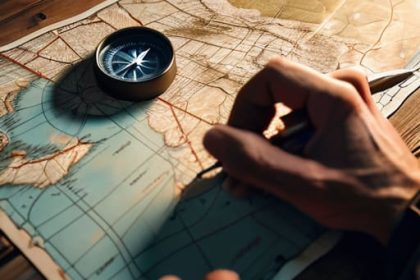
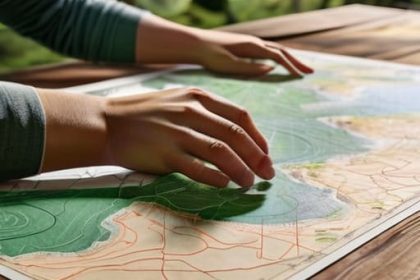
If you just tell your partner, “I’m heading up the Cairngorms for the weekend,” you haven’t actually left a plan; you’ve left a guessing game. When the mist drops and you’re struggling with a broken stove or a twisted ankle, “the Cairngorms” is too vast a search area for anyone to be useful. A proper hiking trip itinerary needs to be granular. I don’t want to know your general direction; I want to know your planned route via specific notches, the exact time you intend to reach your high camp, and the specific trailhead where your vehicle is parked.
I’ve spent too many evenings squinting at maps in a dark tent because someone’s “plan” was too vague to follow. Your wilderness communication plan should include a “hard stop” time—a specific hour when, if they haven’t heard from you, they stop waiting and start calling. Don’t be optimistic about your pace. If you think you’ll be off the ridge by 4:00 PM, tell them you’ll be down by 3:00 PM. Give yourself a buffer for the weather, because the weather never waits for you to catch up.
The Critical Emergency Contact Information Most People Forget
When you sit down to compile your emergency contact information, don’t just scribble down your spouse’s mobile number and call it a day. If you’re heading into serious terrain, your primary contact needs to be someone who can actually do something with the information you provide. I’ve seen too many situations where a person calls a contact, only to realize that contact has no idea what the local mountain rescue protocols are or how to reach the relevant services. Pick someone who stays calm under pressure and, more importantly, someone who knows exactly what your wilderness communication plan entails.
You also need to provide more than just a name; you need a hierarchy of contact. If your first choice doesn’t answer, who is next? Does that person have access to your medical history or a list of any allergies? A robust piece of backcountry trip planning includes a secondary contact who can act as a liaison between you and the emergency services if the first person is unreachable. It’s not about being paranoid; it’s about ensuring that when the weather turns and you can’t make your check-in, the people looking for you aren’t wasting precious hours playing phone tag.
The Details That Actually Matter When the Forecast Shifts
- Give them a hard “no-later-than” time. Don’t just say you’ll be back by evening; tell them, “If you haven’t heard from me by 7:00 PM, call the authorities.” Most people wait too long because they assume you’re just having a slow descent, but by 7:00 PM on a ridge in November, the window for a safe search has already closed.
- Map out your specific “turn-back” points. I always tell my groups that a plan isn’t just where you’re going, it’s where you stop going. Tell your contact: “If I haven’t reached the col by 2:00 PM, I am turning back.” This prevents them from thinking you’ve wandered off-route when you’ve actually made the sensible decision to avoid a summit in a whiteout.
- Don’t just name the trail; name the gates and the car parks. I’ve seen too many people call out a general area only for the search to start five miles away from where the vehicle is actually parked. Be specific: “The blue Ford Fiesta in the overflow lot at the North Gate trailhead.”
- Describe your kit, not just your location. If you’re carrying a specific bright orange shell or a certain brand of heavy-duty rucksack, tell them. When the visibility drops to ten meters, knowing that you’re wearing a high-vis layer rather than a dark navy fleece makes a massive difference to anyone looking for you.
- Note your intended “buffer” zones. If you’re planning to camp, tell them exactly which valley or plateau you’re aiming for. If you’re doing a fast ridge walk, tell them which sections are technical. This helps your contact understand if you’re missing because you’ve taken a detour, or because you’ve actually encountered something that requires a rescue.
The Margin for Error
“If your route plan is just a vague sentence about ‘heading up the valley,’ you haven’t left a plan; you’ve left a guessing game. When the mist rolls in and the light fails, rescue teams don’t need your intentions—they need your coordinates, your turnaround time, and the exact spot where you expected to be eating your sandwich.”
Bridget Halloran
The Last Check Before the Gate
At the end of the day, leaving a route plan isn’t about being paranoid; it is about being professional with your own safety. You need to provide more than just a vague idea of where you’re heading. That means a specific itinerary, a clear “deadman’s time” for when someone should actually start calling the mountain rescue, and a way to reach you that doesn’t rely on a signal that likely won’t exist once you hit the ridge. If you have forgotten to include your emergency contact or the specific trailhead where you parked, you haven’t actually left a plan—you’ve just left a vague suggestion that won’t help anyone when the visibility drops to zero and the temperature starts to plummet.
I have spent twenty-two years watching the weather turn a manageable afternoon into a survival situation in the span of twenty minutes. The mountains are indifferent to your intentions, but they are much easier to navigate when you have respected the margin for error. Taking ten minutes to write down your details might feel like a chore when you’re eager to get moving, but it is the most important piece of kit you will carry. Don’t let your optimism be the reason someone else has to come looking for you. Pack your layers, check your bearings, and leave the details behind so you can focus on the walk itself.
Frequently Asked Questions
How much detail is actually too much when I'm leaving my plan with someone who isn't an experienced hiker?
If they aren’t a hiker, they don’t need to know about the specific descent via the scree slope; they need to know the “trigger point.” Tell them: “If you haven’t heard from me by 7:00 PM, call the authorities.” Too much detail about technical terrain just confuses them. Give them the landmarks, the hard deadlines, and the exact location of your vehicle. Keep the technicalities for your logbook; keep the instructions for them simple and actionable.
If I'm planning a multi-day route that changes based on weather, how do I leave a plan that doesn't become instantly obsolete?
Don’t give them a rigid line on a map; give them a decision tree. Instead of saying “I’ll be at Shelter X by Tuesday,” tell them: “If the wind stays under 40mph, I’m heading for the ridge; if it hits 45, I’m dropping into the valley by Wednesday morning.” Define your ‘abort points’ clearly. It’s better to leave a plan that accounts for your retreat than one that forces you to chase a deadline into a storm.
What is the best way to communicate my "turn-back time" so my contact knows exactly when to start worrying?
Don’t just say “I’ll be back by 6 PM.” That’s an optimistic guess, and optimism is what gets people lost. Tell them: “If you haven’t heard from me by 7 PM, call the authorities.” Give them a buffer. I always build in an extra hour for a slow descent or a sudden mist. It’s better they call you while you’re just sitting in the car eating a sandwich than wait until you’re stuck in a bivvy.