I once spent three hours in a sodden tent in the Cairngorms, trying to untangle a wet, shivering Labrador from a pile of expensive, “dog-specific” tactical gear that had been marketed as essential. It was raining sideways, the wind was howling through the valley, and I realized that all the high-tech nylon in the world wouldn’t fix the fact that I hadn’t planned for the reality of a tired, muddy animal in a confined space. Most guides on how to camp with a dog focus on the cute Instagram photos of pups sleeping by a campfire, but they completely ignore the logistics of managing waste in the backcountry or the sudden, sharp shift when a calm walk turns into a midnight rescue mission because a paw got stuck in a rock crevice.
I’m not here to sell you a specialized canine sleeping bag or a designer hiking harness. My goal is to give you the unvarnished truth about what actually works when the weather turns and the daylight disappears. I’ll be talking about the weight of the extra supplies you’ll actually need, the specific ways to manage your campsite to keep both you and your dog safe and dry, and the hard lessons I’ve learned over two decades of mountain work.
Table of Contents
Canine Temperature Regulation and Preventing Dog Overheating While Camping
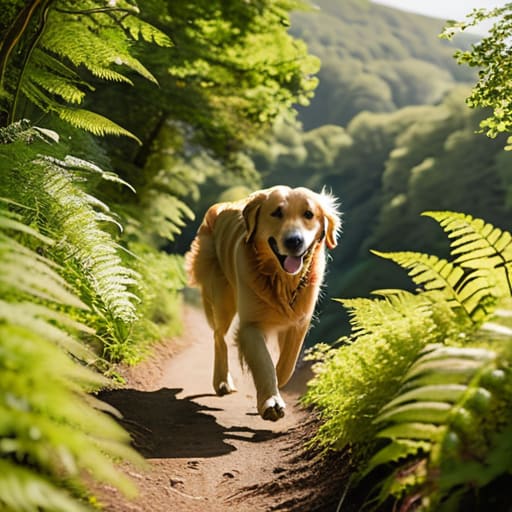
People tend to focus on the cold, but in my experience, it’s the heat that catches you out. I’ve seen more dogs panting heavily in a shaded glen during a July heatwave than I have shivering in a tent. Unlike us, dogs can’t just peel off a base layer when they feel the spike in temperature. Canine temperature regulation is far less efficient than ours, and if you are moving through heavy brush or steep terrain, they are working twice as hard to keep cool. I’ve used the Ruffwear cooling vest for three seasons now, specifically on long, low-level treks in the Peak District during August; it’s a lifesaver, provided you keep it damp.
When you are setting up camp, don’t just pitch wherever the view is best. Look for the shade, and if you can’t find it, you need to create it. Preventing dog overheating while camping often comes down to the small things: elevating their bed off the hot ground and ensuring they have constant access to fresh water. If you see their tongue turning a dark, dusky red, you’ve already waited too long. Stop, shade, and cool them down immediately.
The Weight of Responsibility Dog Camping Gear Essentials
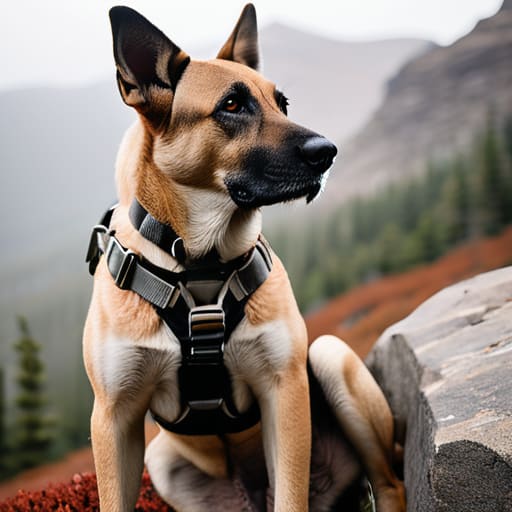
When you’re managing your own pack weight, every gram counts, but when you add a dog into the equation, the math changes. You aren’t just carrying your kit; you’re carrying the contingency plan for another living creature. My personal approach to dog camping gear essentials isn’t about buying the most expensive tactical harness on the market; it’s about utility. I’ve carried the Ruffwear Web Master harness for five years now, through everything from muddy Lake District scrambles to dry, dusty treks in the Peak District. It’s held up through a thousand miles of brush and rock, and it’s the only thing I trust to keep a dog stable if they slip on a loose scree slope.
Beyond the harness, you need a dedicated pet first aid kit for hiking that is easily accessible, not buried at the bottom of your rucksack. I keep mine in a small, bright dry bag attached to the outside of my pack. It contains more than just bandages; I always carry tweezers for ticks and a small bottle of saline. If you’re heading into more remote terrain, don’t just assume they’ll be fine—preparedness is the difference between a minor setback and a long, dark walk back to the car.
The Three Decisions That Keep Them Safe
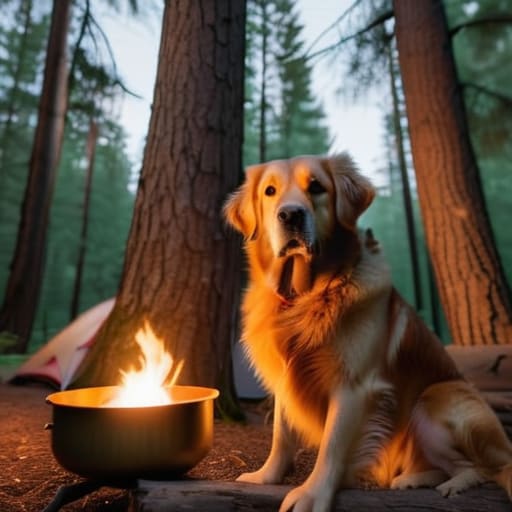
- Check the ground before you pitch. I’ve spent too many evenings watching a dog struggle with a thin sleeping pad on a bed of sharp scree or frozen roots; if they aren’t insulated from the ground, they aren’t sleeping, and a tired dog is a dog that makes mistakes on the trail the next morning.
- Know your local topography and the “escape route” factor. When I’m leading groups, I’m always looking for the easiest way down if the cloud base drops; you need to do the same for your dog, ensuring your campsite isn’t tucked into a corner that becomes a trap if a flash flood or a sudden gale moves in.
- Pack a high-calorie “emergency” ration that isn’t part of their daily diet. I carry a specific lightweight pouch of dried liver for my own energy, but I always keep a separate, calorie-dense portion for the dog in case a long day on the ridge turns into an unplanned night in the lee of a boulder.
- Respect the “Quiet Zone” of the campsite. If you’re in a National Park or near sensitive nesting sites—which I’m always tracking in my logs—the last thing you want is a dog barking at a shadow at 3:00 AM; practice tethering and settling them in the tent long before you actually reach the site.
- Don’t trust a “waterproof” collar or harness blindly. I’ve used the Ruffwear Web Master for three seasons of heavy rain and river crossings, and while it holds up, any gear that sits against their skin needs to be dried out properly at camp, or you’re just inviting hot spots and skin irritation.
The Cost of Optimism
Most people pack for the dog they have on a sunny afternoon in the garden, but you need to pack for the dog you’ll have at 3:00 AM when the wind is hitting sixty knots and the ground is saturated. If your gear only works when the weather is behaving, you aren’t camping; you’re just waiting for a crisis to happen.
Bridget Halloran
The Reality of the Trail
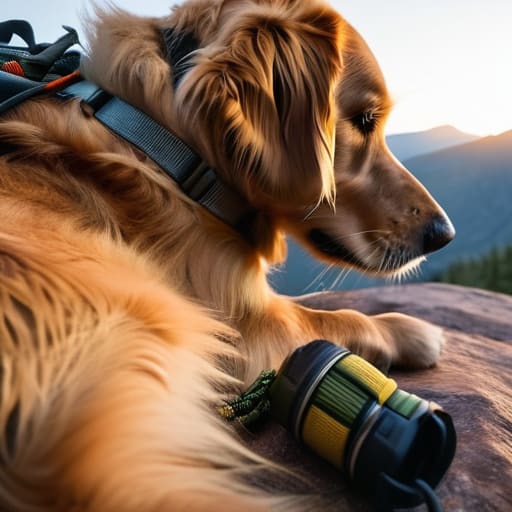
At the end of the day, camping with a dog isn’t about the perfect Instagram photo of a sleeping hound by a campfire; it’s about managing the logistics of two different sets of biological needs. You have to account for their temperature regulation, ensure their gear doesn’t become dead weight in your pack, and—most importantly—always maintain a buffer of safety regarding their energy levels and hydration. If you’ve spent the afternoon watching them struggle with a sudden drop in temperature or a steep, rocky ascent, you need to be prepared to turn back. Don’t let your own desire to reach the summit override the physical reality of the animal tethered to your side.
There is a specific kind of quiet magic that happens when you’re miles from the nearest road, the wind is dying down, and your dog finally settles into the sleeping bag next to you. It is one of the most rewarding ways to experience the wild, provided you respect the unpredictability of the environment. If you do the boring work—the prep, the weight management, and the constant observation—the outdoors remains a place of connection rather than a crisis waiting to happen. Pack well, watch the clouds, and listen to your dog; they’ll usually tell you the weather is changing long before the forecast does.
Frequently Asked Questions
How do I manage my dog's paws and hygiene when we're camping in boggy or rocky terrain?
Wet, boggy ground isn’t just messy; it’s a recipe for pododermatitis. I’ve spent three days straight in the Cairngorms with nothing but damp peat and grit, and I wouldn’t wish that on anyone. Pack a dedicated paw balm—I’ve used Burt’s Bees for four seasons in heavy rain—and a small microfiber towel. Wipe them down every single time you transition from the trail to the tent. If you don’t manage the moisture, you’re inviting infection.
What are the signs that a dog is actually exhausted versus just being a bit lazy in the tent?
It’s easy to mistake a bit of sulkiness for exhaustion, especially when you’re tired too. But watch for the subtle shifts. A lazy dog still reacts to your movement or the sound of a zipper. An exhausted dog becomes dull; they won’t lift their head when you call, or their gait goes heavy and uncoordinated. If they’re panting heavily while lying still in the shade, that’s not laziness—that’s a physiological red flag.
How much extra weight should I realistically expect to carry if I'm bringing a dog's food and specialized gear?
Don’t let the “lightweight” marketing fool you. If you’re out for three days, you aren’t just carrying a bag of kibble; you’re carrying the weight of their hydration, specialized bowls, and likely a first-aid kit specifically for them. I’ve carried a medium-sized dog’s provisions for a four-day trek in the Cairngorms—including a heavy-duty collapsible water bladder—and it added a solid 2.5kg to my pack. Plan for that extra load, or you’ll be the one struggling on the ascent.