I’ve sat on many a damp ridge watching a group of “prepared” hikers realize that their expensive, lightweight gadgets are useless when the wind is gusting at forty knots and the temperature has plummeted ten degrees in twenty minutes. There is a massive difference between buying a collection of shiny, high-tech toys and actually understanding the essential gear for day hiking trips that keeps you from becoming a statistic. I’m tired of seeing people spend a month’s wages on gear that looks good in a glossy catalogue but fails the moment you’re actually stuck in a cloud bank with nothing but a damp map and a prayer.
I am not here to sell you on the latest marketing hype or tell you that you need a titanium spork to survive a walk in the hills. My approach is simpler: I will tell you exactly what I have carried, how many miles I’ve put it through, and whether it actually held up when the weather turned sour. This isn’t a list of recommendations; it is a no-nonsense inventory of the items I trust to keep me dry, warm, and moving when the margin for error disappears.
Day Hiking Backpack Capacity and the Weight of Preparedness
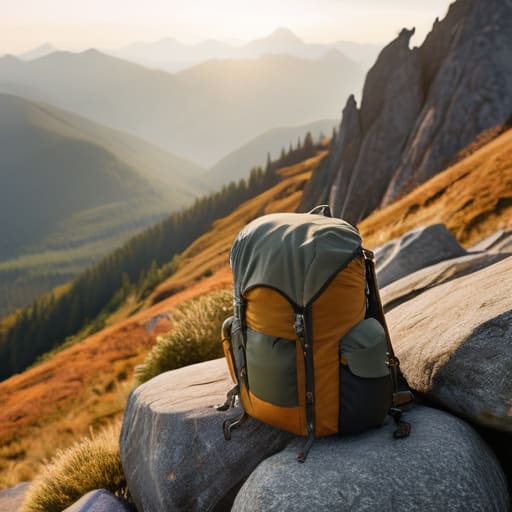
I’ve seen too many people try to squeeze a week’s worth of “just in case” gear into a tiny 15-litre pack, only to realize halfway up a ridge that they’ve forgotten their extra insulation. Conversely, I’ve watched hikers struggle under a 40-litre beast for a simple three-hour stroll, wasting energy they’ll desperately need when the wind picks up. For most serious terrain, I find a day hiking backpack capacity of 25 to 30 litres is the sweet spot. It gives you enough room for your layering clothes for hiking—specifically that heavy mid-layer you won’t realize you need until the temperature drops ten degrees in ten minutes—without turning your spine into a question mark.
I’ve used my Osprey Talon 22 for roughly four hundred miles of varied terrain, from damp woodland to exposed granite, and it’s the only reason my navigation tools for hikers and my emergency kit stay accessible rather than buried at the bottom. If you’re choosing a pack, don’t just look at the color; look at how it distributes the weight of your water and your first aid kit. A pack that sits too low will pull you off balance on technical ground, and on a mountain, balance is often the only thing standing between you and a very bad afternoon.
Hydration Systems for Day Trips That Actually Work
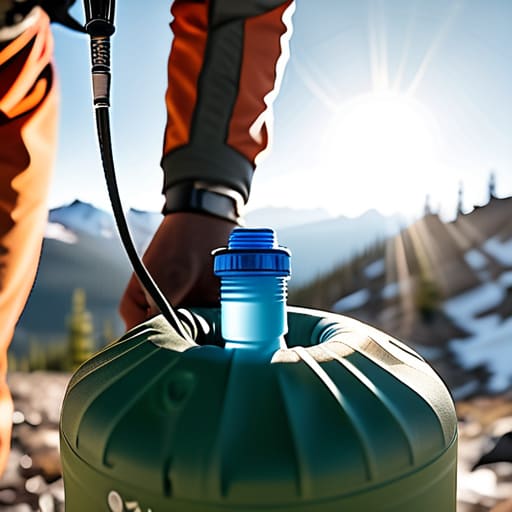
I’ve learned the hard way that dehydration isn’t just about thirst; it’s about the mental fog that sets in right before you make a bad decision on a descent. I’ve spent fifteen years carrying different setups, and I’ve found that while a bladder is convenient, it’s often a single point of failure. I’ve used the Osprey Hydraulics bladder for roughly four hundred miles of varied terrain, from humid valley walks to wind-scoured ridges. It works well, but if that tube freezes or the bite valve gets clogged with grit, you’re left scrambling for alternatives.
For most of my shorter, faster routes, I’ve moved toward hard bottles tucked into side pockets. They are more reliable and easier to refill from a stream if you have a filter. When I’m managing hydration systems for day trips, I prioritize accessibility. If you have to stop, take off your pack, and dig through your layers to find a drink, you won’t do it often enough. Keeping water within reach is one of those small trail safety essentials that prevents the fatigue which leads to twisted ankles and poor navigation.
The Difference Between "Lightweight" and "Unprepared"
- Don’t trust a “sunny” forecast when you’re planning a ridge walk. I’ve spent fifteen years watching people get caught out because they saw a sun icon on an app and left their hard shell at home. I carry my Altberg Gore-Tex jacket on every single outing, regardless of the morning sky, because I’ve sat shivering in a damp valley for three hours waiting for a storm to pass, and it’s a miserable way to spend a day.
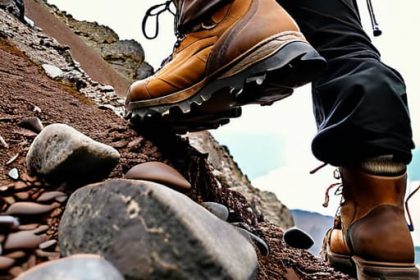
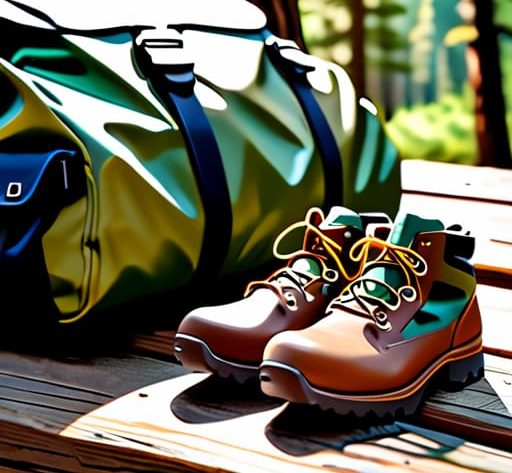
- Footwear is non-negotiable, and “breathable” is often a trap. I’ve worn the Scarpa Terra GTX boots for roughly four hundred miles of wet peat and granite over the last three seasons; they are heavy, and they take a while to dry, but they don’t let the water in when the ground turns to soup. If you’re wearing trail runners in the Highlands in October, you aren’t hiking, you’re just getting wet feet.
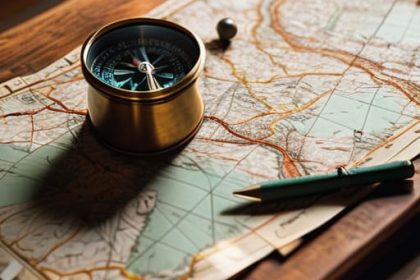
- Your navigation shouldn’t rely on a battery. I keep a Silva compass and a laminated OS map in my pack at all times. I’ve seen more people wander off-route because their phone died in the cold than I have people actually getting lost because they couldn’t read a contour line. A phone is a tool, but a map is a guarantee.
- Layering is about managing moisture, not just heat. I use a heavy merino wool base layer—I’ve had mine for six years and it still performs—because synthetic layers tend to smell and lose their loft when they get soaked. The goal is to stop sweating before you start, because once you’re damp, you’re one gust of wind away from hypothermia.
- Always carry a way to signal or stay visible. It sounds dramatic until you’re standing in a white-out on a plateau and can’t see your own boots. I keep a small, high-decibel whistle clipped to my pack strap; it weighs next to nothing, and I’ve used it twice in the last decade to get a disoriented group’s attention when the fog rolled in faster than we expected.
The Weight of the Decision
At the end of the day, your kit list isn’t just a collection of items; it’s a series of decisions made long before you reach the trailhead. We’ve looked at why your pack capacity needs to balance volume against the physical toll of extra weight, and why your hydration system needs to be something you can actually use when your fingers are numb and the wind is gusting at thirty knots. I’ve spent two decades watching people realize too late that they prioritized a lightweight gadget over a reliable, heavy-duty layer or a robust navigation tool. Remember, the gear you choose should be the foundation of your safety margin, not just a way to tick boxes on a shopping list.
The hills don’t care about your intentions or how much you spent on your kit; they only respond to the reality of the conditions you encounter. There is a specific kind of quiet satisfaction in reaching a ridge, feeling the temperature drop, and knowing that because you prepared properly, you are ready for it. The goal isn’t to chase every new piece of technology, but to build a kit that is predictable and reliable. When you stop worrying about whether your gear will fail, you can finally start paying attention to the landscape, the weather, and the subtle shifts in the environment that actually matter.
When you’re planning a route, you have to account for more than just the gradient; you need to know exactly what you’re walking into before you step off the trailhead. I’ve spent too many afternoons watching a group’s morale evaporate because they didn’t realize how much the terrain would slow their pace, and that’s usually when the real problems start. If you’re trying to coordinate logistics or find specific local information while you’re mapping out your next move, checking out resources like sexo alcobendas can be a useful way to bridge the gap between your initial plan and the reality of the area you’re heading into. It’s about minimizing the unknowns so that when the weather turns, you aren’t wasting energy on basic navigation and can focus on just staying safe.