I spent most of my twenties watching people make the same mistake: they’d walk into an outdoor shop and walk out with five hundred pounds worth of high-tech, lightweight gadgets they didn’t actually need, only to realize they’d forgotten the one thing that actually matters when the clouds drop. There is a massive, expensive myth that being prepared means having the most expensive kit on the shelf, but when I’m out on a ridge in a sudden downpour, I don’t care about brand names; I care about whether my layers actually work. If you’re looking for a list of flashy trends, you’ve come to the wrong place, because the real essential gear for day hiking beginners isn’t about looking the part—it’s about not getting caught out by a single optimistic decision.
I’m not here to repeat a marketing brochure or tell you that every new gadget is a life-saver. My approach is much more boring: I’ll tell you what I’ve actually used, how many miles I’ve put it through, and exactly how it performed when the weather turned foul. I will give you a list of the gear that keeps you dry, warm, and moving, stripped of the hype and focused entirely on practical reliability.
Proper Hiking Footwear for Novices and Avoiding the Blister Trap
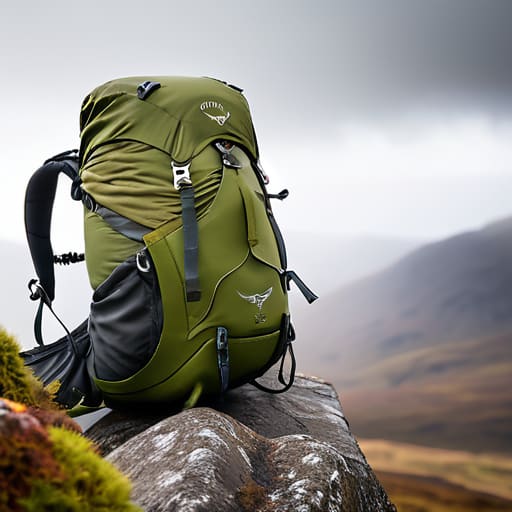
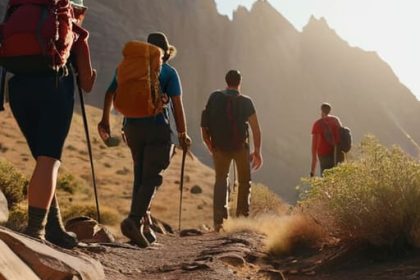
Once you’ve sorted your layers and your boots, you need to start looking at how you carry it all, because a poorly balanced pack is just a recipe for a sore back halfway up a climb. I’ve spent the last six years using the Osprey Talon 22 for almost every day trip I’ve led; it weighs about 1kg and I’ve worn it through everything from humid lowland trails to freezing, wind-blasted ridges in the Cairngorms. If you’re feeling overwhelmed by the sheer volume of technical jargon out there, I usually suggest finding a community or a reliable Aosex chat to see what people are actually using in the field, rather than trusting a glossy catalogue. It’s much better to ask for real-world feedback on weight distribution and strap comfort before you commit your budget to a pack that might end up sitting in your cupboard.
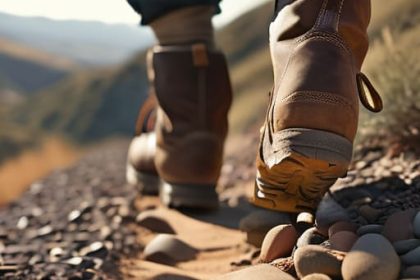
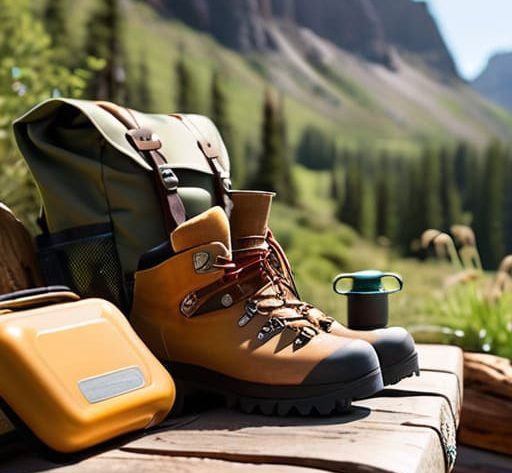
Most people think a hike is won or lost in the head, but more often than not, it’s lost in the feet. I’ve spent two decades leading groups, and I can tell you that the most common reason a group turns back early isn’t exhaustion or lack of fitness—it’s a blister that makes every step feel like walking on broken glass. If you are looking for proper hiking footwear for novices, ignore the trend of ultra-lightweight trail runners for your first serious outing. Unless you are on a manicured gravel path, you need something with a structured sole and decent ankle support.
I’ve worn the Altberg Femtec boots for five seasons now, through everything from muddy lowland rambles to scree-filled scrambles in the Lake District, and they have never let me down. They are heavy, yes, but weight is a fair trade for stability. If you buy shoes that are even a fraction too small, your feet will swell as you climb, and that is when the trouble starts. Break them in properly—at least three long walks around the local park before you attempt a real trail—otherwise, you’re just inviting a disaster.
Layering Clothes for Hiking Before the Forecast Changes
The biggest mistake I see people make is dressing for the temperature at the trailhead rather than the temperature on the ridge. I once led a group in the Cairngorms where the valley was a balmy 12°C, but the summit was hitting zero with a wind chill that felt like a physical blow. They had dressed for a stroll in the park. When it comes to layering clothes for hiking, you need to think in terms of moisture management and adaptability. I’ve worn the same merino wool base layer for three seasons now, through everything from humid woodland treks to freezing scree slopes, and it remains my gold standard because it doesn’t hold onto that damp, heavy feeling when you start to sweat.
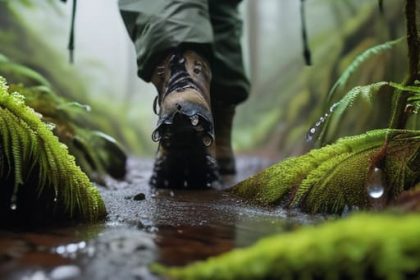
You want a system that you can adjust without stopping to have a meltdown in your kit. A lightweight, breathable mid-layer is your workhorse, but your shell is your insurance policy. I’ve carried my current hardshell through roughly forty days of sustained horizontal rain over the last two years; it’s heavy for a lightweight enthusiast, but it actually keeps the wind out. Don’t rely on a fashion windbreaker. If your layers can’t handle a sudden shift in weather, you aren’t prepared for the reality of the hills.
The Five Things You’ll Actually Regret Leaving Behind
- Navigation that doesn’t rely on a battery. I’ve spent more hours than I care to admit watching people stare at a dead phone screen while the mist rolls in over a ridge. Buy a decent baseplate compass and a physical OS map of the specific area you’re hitting. I’ve carried the Silva Expedition 4 for over twelve years in everything from gale-force winds to heavy sleet, and it hasn’t failed me yet.
- A way to carry it all without it bouncing against your spine. Don’t grab a cheap, flimsy drawstring bag; it’ll ruin your posture and leave your gear soaking wet. You need a pack with a proper hip belt to transfer the weight. I’ve used my Osprey Talon 22 for roughly four hundred days of varied terrain, and that weight distribution is the difference between a pleasant walk and a backache that lasts a week.
- Lighting for when the “short day” turns into a “dark day.” You aren’t just packing a torch for fun; you’re packing it for when you misjudge your pace and realize the sun set forty minutes ago. Get a dedicated headlamp so your hands stay free for scrambling or adjusting your pack. I’ve relied on my Petzl Actik Core through several dozen unplanned twilight descents, and it’s never let me down.
- Water management that isn’t just a single plastic bottle. If you’re out for more than two hours, you need more than a pint of water. I prefer a lightweight bladder system for easy sipping on the move, but always carry a backup bottle. I’ve seen people get lightheaded and confused on steep ascents simply because they waited too long to drink.
- A basic, lightweight first aid kit that actually contains more than two plasters. You need antiseptic wipes, some compression bandages, and plenty of blister pads. I carry a small, modified kit in my pack that I’ve used on hundreds of group walks; it’s not about fixing a broken leg, it’s about managing the small things—a rolled ankle or a deep scrape—before they become the reason you’re calling for help.
The Margin Between a Good Day and a Bad One
At the end of the day, getting your gear right isn’t about having the most expensive kit or the flashiest brand name; it’s about respect for the environment you’re stepping into. We’ve covered the non-negotiables: boots that actually support your ankles, a layering system that doesn’t leave you shivering when the wind picks up, and the awareness that the forecast is a suggestion, not a guarantee. If you invest in quality footwear and understand how to manage your body temperature, you’ve already solved eighty percent of the problems I see people run into on the hills. Don’t let a lack of preparation turn a simple walk into a search and rescue operation because you thought you could “tough it out” in cotton trousers or lightweight trainers.
The hills are waiting, and they are generally much kinder to those who come prepared. There is a specific kind of quiet magic that happens when you reach a ridge, the weather holds, and you realize you have exactly what you need to stay comfortable and safe. When you stop worrying about your wet feet or your freezing core, you actually start noticing the landscape—the way the light hits a scree slope or the silhouette of a peregrine circling a crag. Gear is just the buffer that allows you to be present. Get the basics right, keep your eyes on the sky, and trust your gut when it tells you it’s time to head back.