I remember a Tuesday in late November, standing on a sodden, featureless ridge in the Cairngorms, watching a client try to use a cheap, plastic pea-whistle that had gone silent the moment the condensation hit it. They were shivering, the light was failing, and that tiny, useless bit of plastic was the only thing meant to bridge the gap between them and a mountain rescue team. Most gear guides will tell you that any whistle will do, but if you’re looking at how to choose a whistle and signalling kit based on a glossy marketing brochure, you’re making a dangerous mistake. A whistle that works in a dry classroom is a completely different beast from one that needs to cut through a 40mph gale while your hands are numb from the cold.
I’m not here to sell you on the latest high-tech gadgetry or expensive emergency kits that weigh more than they’re worth. Instead, I’m going to tell you exactly what I’ve carried in my own pack through twenty years of wind and rain, focusing on the stuff that actually works when you’re too exhausted to think. We’ll look at the specific weights, the reliability of different signals, and most importantly, why the simplest option is often the one that keeps you alive.
Table of Contents
Emergency Whistle Decibel Levels Why Volume Matters When Youre Exhausted
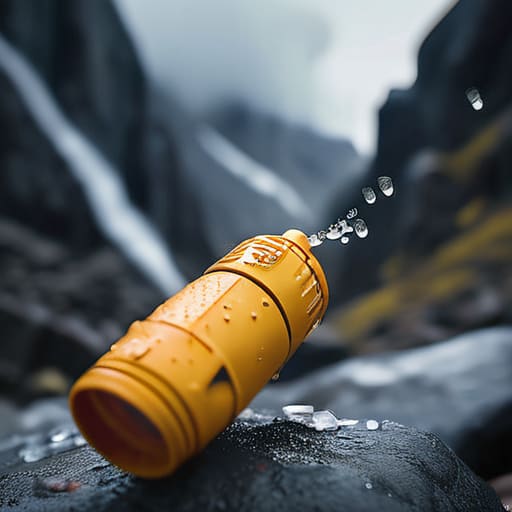
When you’re sitting in a hollow under a cloud ceiling, shivering and trying to remember if you left the stove on, your lungs aren’t going to feel particularly powerful. This is where people get it wrong. They pick a whistle based on how easy it is to blow, forgetting that when you are hypothermic or simply spent from a six-hour descent in a gale, your breath is shallow and weak. You don’t need a toy; you need emergency whistle decibel levels that can actually pierce through the roar of wind or the sound of a running stream.
I’ve carried the Fox 40 survival whistle through roughly four seasons of heavy mist and high-wind ridge work. It’s a pea-less design, which matters because a traditional whistle with a moving ball will fail the moment moisture or grit gets inside. In my experience, a whistle that registers around 120 decibels is the minimum you should consider for serious outdoor safety gear selection. Anything less becomes just another part of the background noise, and in a rescue situation, the goal is to be the only thing the search team hears.
The Truth About Signal Mirror Effectiveness in Heavy Cloud Cover
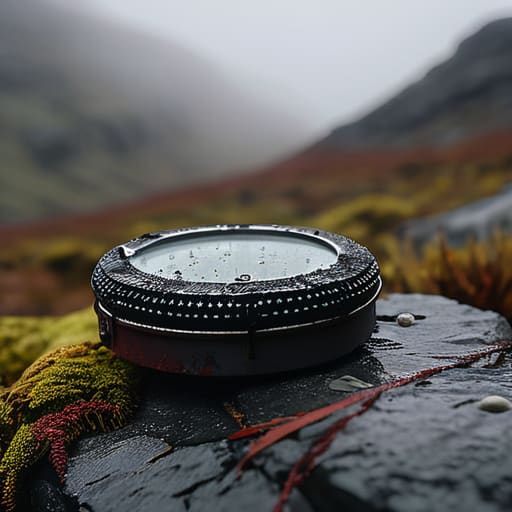
I’ve spent many a morning on the high ridges waiting for a break in the mist, and that is where the myth of the signal mirror usually dies. Most people assume a mirror is a universal tool, but in the UK or any high-latitude mountain range, you are often working with diffuse, low-intensity light. I’ve carried the SOL Emergency Flashlight mirror for four seasons now; it’s lightweight and the sighting hole is precise, but I’ve found that in heavy, flat cloud cover, it’s almost useless for reaching a distant helicopter or a rescue team in a valley.
If you are relying solely on visual cues during a storm, you are making that “one optimistic decision” I mention so often. A mirror is a brilliant piece of high-visibility rescue equipment when the sun is out, but it lacks the sheer persistence of sound. In thick cloud, your best bet for survival signalling tools is often a combination of things. If the light isn’t hitting the glass, you need to be making enough noise to ensure you aren’t just another silent shape in the fog.
Five things I’ve learned when the signal doesn't reach
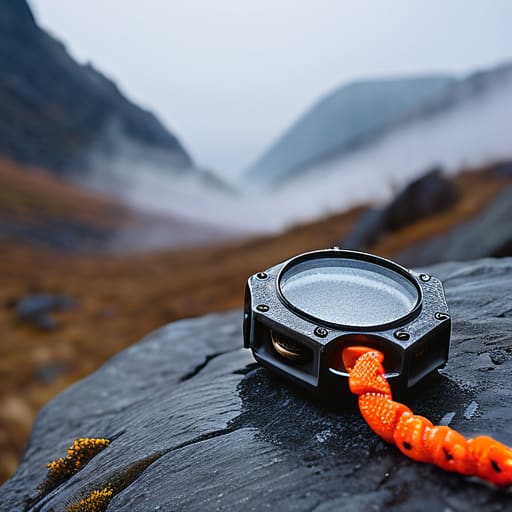
- Don’t rely on a pea-whistle if you’re planning on being high and exposed. I’ve used the Fox 44 pea-less models through four seasons of heavy rain and grit on the Lakeland ridges, and they don’t seize up when the moisture gets inside. A pea-whistle is just a piece of plastic that will fail you the moment it gets wet or full of grit.
- Choose a whistle you can actually use with gloves on. I once watched a group member struggle with a tiny, intricate keychain whistle during a sudden drop in temperature near the summit; by the time they got it to work, they were already shivering. Look for something with a large, tactile surface area.
- Your signal mirror needs to be more than just a shiny bit of glass. I carry a dedicated Mil-Spec signal mirror because the sighting hole allows you to actually aim at a target—like a helicopter or a distant search party—rather than just flashing light blindly into the clouds.
- Carry a high-lumen torch, but don’t just look at the lumens on the box. I’ve carried the Petzl Tikka for about six years now, mostly for navigating camp in the dark, but its real value is the red-light mode which preserves your night vision when you’re trying to keep an eye on the weather or a bird of prey landing nearby.
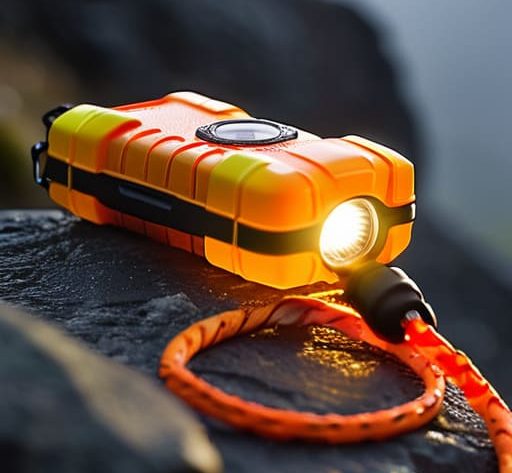
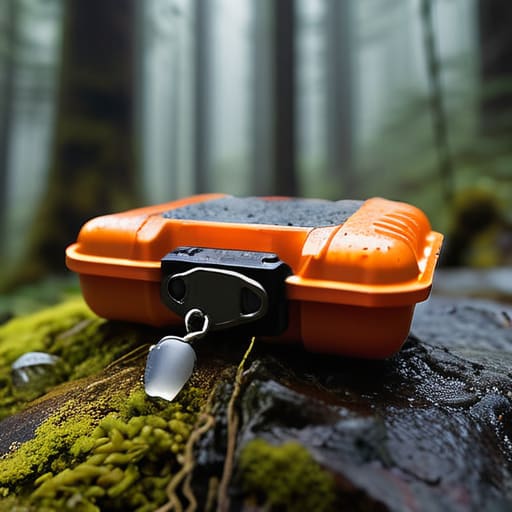
- Keep your kit in a dedicated, bright-coloured waterproof pouch rather than buried in the bottom of your rucksack. If you’re injured or the light is failing, you don’t want to be digging through layers of fleece and spare socks to find the one thing that can call for help.
The cost of an optimistic kit
I’ve stood on a ridge in a Force 7 gale, lungs burning and hands numb, trying to use a piece of kit that looked perfect in a sunny shop window but failed the moment the wind started howling. You don’t need the most expensive signaling array; you need the one piece of gear that doesn’t require fine motor skills or a clear sky to work when you’re too tired to think straight.
Bridget Halloran
The kit is only as good as the person using it
At the end of the day, choosing a whistle isn’t about finding the loudest thing on a spec sheet; it’s about ensuring you have something that works when your lungs are burning and the wind is trying to strip the breath right out of you. You need to know if that signal mirror can actually catch a glimmer through a heavy mist, and you need to be certain that your whistle won’t fail when you’re too exhausted to blow it properly. I’ve seen too many people pack a “safety kit” that is really just a collection of things they hope will work, rather than gear they have actually tested in the conditions they expect to face. Don’t just buy it because it’s light; buy it because you know exactly how it feels in your hand when the light starts to fail.
We often go into the hills looking for the summit or the perfect bird sighting, but the real skill lies in respecting the margin for error. Carrying the right signalling kit isn’t an admission of weakness or a lack of confidence; it is a calculated part of a professional approach to the mountains. The hills don’t care about your plans, and they certainly don’t care about your optimism. They only care about the reality of the weather and the decisions you make when things go wrong. Pack your gear, know how to use it, and respect the gap between a good day and a bad one.
Frequently Asked Questions
Will a pea-less whistle actually work if it gets wet or if I'm trying to use it in freezing temperatures?
I’ve used the Fox 40 pea-less models through four seasons of heavy rain and slush on the Cairngorms, and they haven’t failed me yet. That’s the whole point. A traditional whistle with a ball inside can freeze solid or get stuck with grit and moisture, leaving you silent when you actually need to be heard. If it’s freezing and you’re exhausted, you need a piece of kit that works the first time you blow.
How much weight am I really adding to my kit if I carry a dedicated signal mirror versus just a small reflective surface?
The weight difference is negligible—we’re talking maybe 30 or 40 grams—but the functional difference is massive. I’ve carried a standard glass signal mirror through five seasons of heavy mist and low light on the Cairngorms, and it’s the only thing that actually catches a stray beam of light. A small reflective surface is just a scrap of foil; it doesn’t have the focus to reach a distant valley floor when you’re too tired to keep waving it.
At what point does a whistle become too loud or high-pitched to use effectively when you're already struggling with fatigue or wind noise?
It’s a question of frequency, not just volume. I’ve been in situations where the wind is howling at thirty knots and a high-pitched, piercing whistle just gets swallowed by the gale or, worse, becomes a jagged, grating noise that makes your own head throb when you’re already exhausted. If the pitch is too shrill, it loses its ability to cut through the white noise of a storm. You want a lower, more resonant tone that carries weight.