I once watched a well-meaning group of parents attempt a “scenic loop” in the Lake District, only to end up huddled under a single, inadequate tarp while a six-year-old sobbed because his expensive, brand-new waterproof trousers had failed him within twenty minutes. Most internet advice treats a complete guide to hiking with children like a shopping list of high-tech gadgets and aesthetic matching outfits, but that’s not how the mountains work. The hills don’t care about your Instagram feed, and they certainly don’t care how much you spent on a lightweight trekking pole if you haven’t accounted for a child’s sudden, inexplicable need to stop and examine every single pebble for thirty minutes.
I’m not here to sell you on a lifestyle; I’m here to help you manage the unpredictable reality of moving small, stubborn humans through changing terrain. In this guide, I’m stripping away the marketing fluff to focus on the logistics that actually matter: how to read a child’s fatigue before it becomes a meltdown, the specific layering systems that survive a damp afternoon, and when to make the hard call to turn back. This is a no-nonsense approach built on twenty years of seeing exactly where the optimism fails and the weather takes over.
Table of Contents
Selecting Safe Nature Trails for Families and Tiny Legs
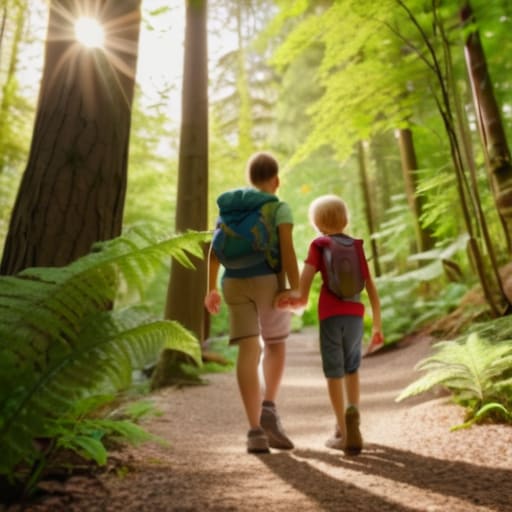
When I was a ranger, I spent half my time directing lost tourists back toward the gravel paths and the other half watching families attempt to scramble up scree slopes that were never meant for anything smaller than a mountain goat. The biggest mistake people make is looking at a map and seeing a distance, rather than a gradient. For little ones, a three-mile flat walk is a joy; a three-mile ascent on a technical trail is a recipe for a meltdown. You need to prioritize safe nature trails for families—think wide, well-maintained paths with clear boundaries and minimal loose rock.
I always tell my groups to look for “loops” rather than “out-and-back” routes. If a child hits a wall, you want the option to turn around and head back the way you came, rather than facing an even harder climb to get home. I’ve seen too many parents get stuck because they committed to a ridge line that was too exposed or too steep for small legs. If the trail involves navigating heavy roots or steep, muddy embankments, it isn’t a casual stroll; it’s a mountaineering expedition, and tiny legs aren’t built for that level of constant micro-adjustment.
Essential Hiking Gear for Toddlers That Actually Works
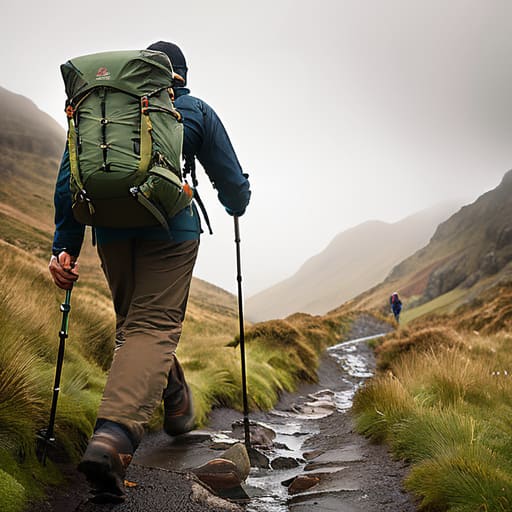
When it comes to essential hiking gear for toddlers, I tend to ignore the flashy, brightly coloured marketing and focus on what actually holds up when the wind picks up. I’ve spent the last four years testing various lightweight carriers on long, undulating routes in the Lake District, and if there is one thing I’ve learned, it’s that weight distribution is everything. A carrier that feels fine in the car becomes a back-breaking burden after three miles of steep ascent. I use a single-shoulder ergonomic pack that I’ve carried through roughly fifty days of varied, often damp, terrain; it’s heavy, but it keeps my hands free for my poles.
Footwear is the other non-negotiable. I once saw a group of parents trying to navigate a scree slope in lightweight trainers, and it was a recipe for rolled ankles. For little ones, skip the heavy, stiff boots they’ll outgrow in a month and opt for a high-quality, waterproof trail shoe with a substantial grip. Most importantly, don’t forget the layers. I always pack a dedicated, windproof shell for the child, even if the valley floor feels warm. The temperature on a ridge is a different world entirely.
The Three Pillars of Not Ending Up in a Rescue Situation
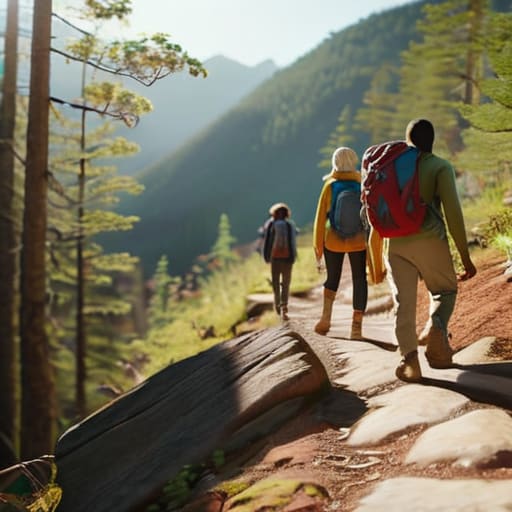
- Master the art of the ‘Early Exit’. I’ve spent twenty-two years watching weather fronts move faster than any toddler can walk; if the clouds start looking heavy or the wind picks up on the ridge, you turn around then. Do not wait for the first raindrop to decide you’re finished, because by then, a damp, tired child is a heavy, crying liability.
- Pack for the ‘Worst-Case’ temperature, not the forecast. I’ve worn the same Osprey Talon pack for six years through gale-force winds and mid-summer heat, and the lesson is always the same: always carry one more thermal layer than you think you need. If the temperature drops 5 degrees while you’re halfway up a slope, that extra fleece is the difference between a grumpy kid and a hypothermic one.
- Treat snacks as high-stakes fuel, not just treats. Forget the sugary biscuits that lead to a crash; I carry dried apricots and nut mixes because they provide sustained energy. When a child’s blood sugar dips on a steep ascent, their ability to follow instructions disappears with it, and that is when mistakes happen.
- Establish a ‘No-Argument’ safety protocol before you leave the car. Before we even hit the trailhead, my kids know the rule: if I say ‘stop’ or ‘stay’, it isn’t a suggestion. We practice this on the flat ground first. It sounds tedious, but when you’re navigating a narrow path with a steep drop on one side, you don’t have time to negotiate.
- Manage your own expectations regarding distance. A mile on a paved park path is not a mile on a muddy, root-filled forest track. I always plan my routes based on the slowest member of the group, which is usually the child, and I factor in an extra hour for the inevitable ‘I found a cool rock’ detours. If you plan to be back by sunset and you’re still mid-route, you’ve already made a mistake.
The Myth of the Perfect Day
You can plan for the sunshine, but you have to prepare for the moment the wind picks up on the ridge and your four-year-old decides they are finished with walking; hiking with children isn’t about reaching the summit, it’s about having enough extra layers and enough patience to make the long, slow walk back to the car feel like a victory rather than a failure.
Bridget Halloran
The Reality of the Return Journey
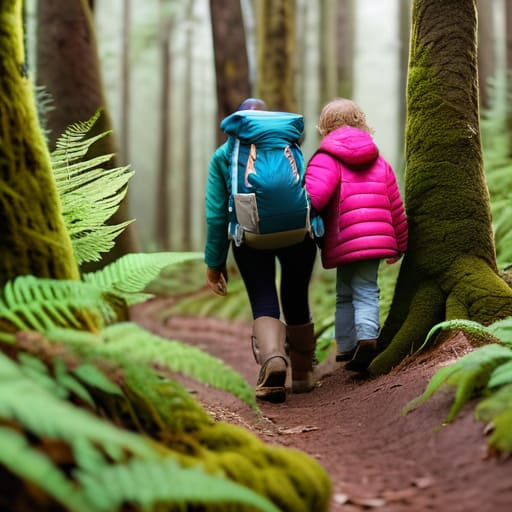
Ultimately, hiking with children isn’t about conquering a summit or ticking off a specific mileage; it is about managing the variables. You have to balance the right trail difficulty with the gear that actually keeps them warm, and most importantly, you have to be willing to read the signs before the situation shifts. If the clouds are lowering faster than expected or the toddler’s energy has hit a wall, the most successful hike is the one where you decide to turn back while everyone is still safe and relatively happy. Preparation—from the extra layers in the pack to the choice of a manageable path—is what creates the margin for error that keeps a family outing from becoming a survival exercise.
At the end of the day, these slow, stumbling, often frustrating walks are where the real connection to the landscape happens. They might not see the raptors I spend my life tracking, and they certainly won’t appreciate the nuances of a well-managed footpath, but they are learning the rhythm of the hills. If you can teach them that the outdoors is something to be respected rather than just a playground, you’ve done more for them than any piece of high-end kit ever could. It is about building a lifelong relationship with the wild, one small, muddy step at a time.
Frequently Asked Questions
How do I know when to call it a day before a child's fatigue turns into a safety issue or a meltdown?
Watch for the subtle shifts. It’s rarely a sudden collapse; it’s the quietness that should worry you. When the constant chatter stops and they start dragging their feet or clinging to your leg, the window is closing. I’ve seen too many “quick” descents turn into disasters because a parent ignored a sulk. If they’re too tired to eat or stop noticing the birds, turn back. The hill isn’t going anywhere, but their patience is.
What are the best ways to manage nutrition and hydration when kids refuse to stop and eat while they're excited?
The “adventure high” is a dangerous time for nutrition. When they’re sprinting toward a stream or a bird’s nest, they’ll ignore hunger until they hit a blood-sugar crash—and that’s when the tantrums start. Don’t wait for them to ask. I use a “forced pause” every ninety minutes. I carry lightweight, high-calorie snacks—nothing too heavy, maybe some dried fruit or oat bars—and make it a ritual. If they won’t sit, they won’t eat.
How do I handle sudden weather shifts on a trail when I have young children who can't regulate their temperature as well as adults?
The moment the wind picks up or the temperature drops, you stop being a hiker and start being a human thermostat. Children lose heat far faster than we do. Don’t wait for them to shiver; by then, they’re already losing the battle. I’ve spent twenty years watching people get caught out by “just one more ridge.” If the forecast shifts, you turn back. Pack high-quality merino base layers—I’ve used my Smartwool layers in sub-zero sleet for six seasons—and always carry a spare dry set in a waterproof bag.