
Most people will try to sell you a “complete guide to long distance trails” that looks like a glossy brochure, filled with photos of hikers smiling in perfect sunshine while wearing brand-new, pristine kit. They’ll tell you it’s all about finding the most scenic views and the best coffee stops along the way. But after twenty-two years of watching people misjudge a ridge line or realize too late that their “waterproof” shell is actually just a fancy windbreaker, I know the truth. A real guide isn’t about the postcard moments; it’s about the uncomfortable decisions you make when the light is failing and the wind is howling through the pass.
I’m not here to repeat a marketing department’s dream. Instead, I’m going to give you the unvarnished reality of what it actually takes to sustain yourself over hundreds of miles. I’ll talk about the weight of your pack when your shoulders are screaming, the specific layers that actually work in a downpour, and how to read a forecast when you’re halfway up a climb. This is a no-nonsense roadmap built on years of mistakes and muddy boots, designed to keep you moving forward—or more importantly, to help you know exactly when to turn back.
Table of Contents
Thru Hiking Preparation Beyond the Hype

Most people spend months obsessing over their ultralight tent or the exact gram-weight of their titanium spork, but they completely neglect the mental logistics that actually prevent a breakdown on day ten. Real thru-hiking preparation isn’t about having the flashiest kit; it’s about understanding how your body and mind react when you’re exhausted, damp, and staring at a steep ascent in the twilight. I’ve seen too many people walk straight into a disaster because they focused on the gear list instead of learning how to manage their own energy and trail mileage management. You need to know your pace when you’re fresh, but more importantly, you need to know your pace when you’re limping through a gale.
I also suggest you stop treating the map like a suggestion and start treating it like a contract. If you haven’t practiced your wilderness navigation skills in low visibility or heavy rain, a thick fog on a ridge will turn a simple detour into a genuine crisis. Don’t rely on a smartphone battery to be your lifeline. I’ve spent twenty years watching people realize too late that a dead screen and a lack of topographical understanding are a recipe for a very long, very cold night.
Seasonal Hiking Windows and Weather Realities
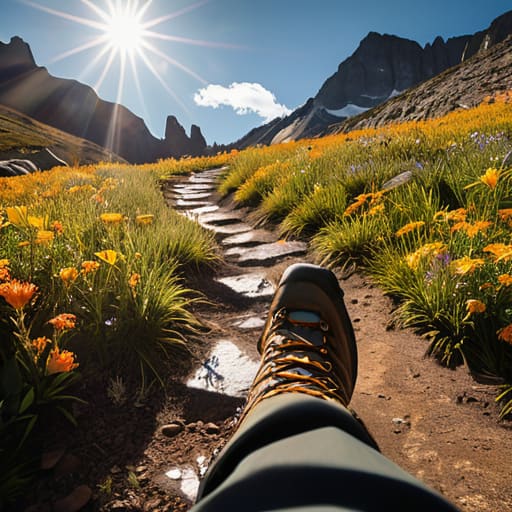
People tend to look at a map and see a line, but I see a moving target of temperature and light. When you are planning your seasonal hiking windows, you aren’t just looking for “nice weather”; you are looking for the narrow margin where the terrain is actually manageable. I’ve seen too many people aim for a mid-summer start only to find themselves trapped in a heat dome with no water sources left, or worse, starting too late and getting caught by the first real freeze while still in the high country.
The reality is that a forecast on your phone is a suggestion, not a contract. On a ridge, a “light breeze” becomes a relentless wind that strips your body heat in minutes. This is where your wilderness navigation skills and your ability to read the sky matter more than any GPS. I’ve spent twenty years watching the clouds turn that specific shade of bruised purple, and if you haven’t factored that into your daily mileage, you aren’t planning—you’re just hoping. And hope is a very poor substitute for a well-timed turnaround.
The Small Decisions That Stop Big Disasters
- Stop planning for your best day and start planning for your worst. I’ve seen too many people set a pace based on a sunny Tuesday in June, only to find themselves shivering on a ridge in November with no daylight left. Your itinerary needs a ‘buffer day’ built in—not for fun, but for the inevitable moment the weather turns or a blister makes you move at half speed.
- Respect the weight of your decisions, not just your pack. I’ve carried the Osprey Exos 58 for three seasons now, mostly on 15km days in the Lake District and longer stretches in the Highlands; it’s a solid bit of kit, but even a well-balanced pack becomes a liability if you haven’t accounted for how your center of gravity shifts when you’re fatigued and the terrain gets technical.
- Learn to read the landscape, not just the app. A GPS is a tool, but it isn’t a substitute for knowing what a contour line actually looks like when it’s covered in mist. I spent nine years as a ranger watching people walk straight into trouble because they were staring at a screen instead of noticing the way the clouds were snagging on the summit.
- Manage your layers before you feel the chill. If you wait until you’re shivering to put on your mid-layer, you’ve already lost the battle. I use a Patagonia R1 fleece almost every day on the trail; I’ve worn it through everything from heavy humidity to sub-zero mornings, and the rule is simple: add the layer when you feel a slight dip in temperature, and take it off before you start sweating.
- Know when to call it. The most important skill on a long-distance trail isn’t endurance; it’s the ability to turn around when the forecast shifts or the daylight starts to fail. Most accidents I attended didn’t happen because people were incapable, but because they made one optimistic decision to push “just one more mile” when the conditions had clearly changed.
The Cost of Optimism
A long-distance trail isn’t a victory lap; it’s a series of small, often boring decisions about when to stop walking, when to eat, and when to admit that the forecast was wrong and turn back before the light fails.
Bridget Halloran
The Reality of the Long Way Round
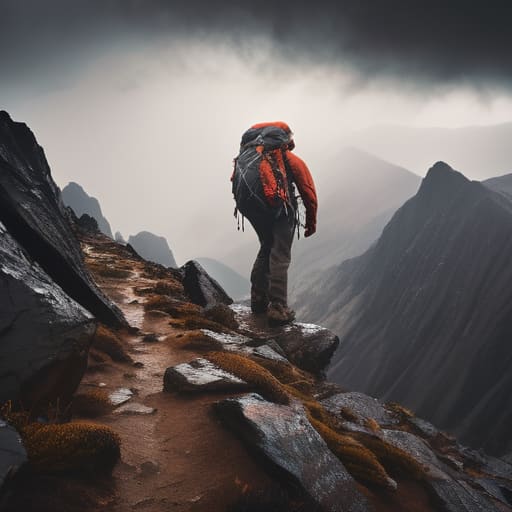
At the end of the day, a successful long-distance trail isn’t measured by how many miles you ticked off or how many summits you stood upon. It is measured by the decisions you made when the wind was hitting sixty knots and your feet felt like lead. You need to respect the preparation, understand that your gear is only as good as its last failure in a downpour, and—most importantly—know when to turn around. If you have respected the weather windows, packed for the reality of the terrain rather than the hope of sunshine, and kept your kit lightweight but functional, you have already done the hard part. Long-distance hiking is a game of calculated margins, and keeping those margins wide is what allows you to actually enjoy the view once you get there.
There is a specific kind of quiet that settles over you on day ten, when the noise of the world has finally been replaced by the rhythm of your own breathing and the sound of the landscape. It is a hard-won peace that you cannot find in a guidebook or a shiny piece of new equipment. The trails will test your patience, your blisters, and your optimism, but they will also strip everything back to what actually matters. Don’t chase the hype or the perfect photo; chase the feeling of being truly present in a landscape that doesn’t care if you’re there or not. That is where the real magic lives.
Frequently Asked Questions
How do I actually know if my feet are ready for 20-mile days, or am I just going to end up with blisters by mile ten?
You don’t find out on the trail; you find out in the weeks leading up to it. If you can’t comfortably log three consecutive days of 12-mile hikes with a full pack—regardless of the terrain—you aren’t ready for twenty. I’ve seen too many people treat their first long-distance trek like a victory lap, only to spend mile ten nursing a hot spot. Test your boots on wet, uneven ground, not just flat pavement. If your feet aren’t complaining then, they might stand a chance.
What is the realistic weight limit for a pack if I want to avoid injury but still need to carry enough gear for a sudden drop in temperature?
I’ve carried enough heavy packs to know that your knees don’t care about your gear list. For most, I aim to keep the base weight under 10kg. If you’re packing for temperature drops, don’t just add more layers; find better ones. I’ve used my Rab Microlight for six seasons in everything from damp Lake District valleys to freezing ridges, and it’s the only way I keep my pack weight down without sacrificing warmth.
How do I interpret a mountain forecast when the wind speeds look manageable at sea level but are actually dangerous on the ridge?
Sea level wind speeds are a lie once you hit the ridge. I’ve seen groups get caught out because a 15mph breeze at the trailhead turned into a 40mph gust at 700 meters. Use the exponent rule: for every 300m of ascent, wind speed can significantly increase. If the forecast says ‘moderate’ at the base, assume ‘severe’ on the summit. If you can’t stand upright without leaning, you’re in the wrong place.