Most “complete guide to bikepacking” articles I see online look like a catalog for a high-end outdoor boutique, filled with shiny carbon fiber components and expensive gadgets you don’t actually need. They promise a seamless, Instagram-ready adventure, but they never mention the reality of pedaling a heavy, unbalanced rig through a sudden downpour while your chain is caked in grit. I’ve spent twenty-two years watching people make the mistake of prioritizing aesthetic over utility, only to find themselves stranded on a forest track because their “lightweight” setup couldn’t handle a bit of real terrain or a shifting weather front.
I’m not here to sell you on a lifestyle; I’m here to help you manage the logistics of staying dry, fed, and moving. In this guide, I’ll skip the marketing fluff and focus on the heavy lifting: how to pack for weight distribution, how to read a forecast when you’re miles from a road, and what gear actually survives a week of grit and rain. This is a no-nonsense roadmap built on what works when things get difficult, not what looks good in a brochure. If I haven’t personally tested a bag or a rack in actual mountain conditions, I won’t tell you to buy it.
Table of Contents
The Nuance of Bikepacking Trip Planning and Realistic Expectations
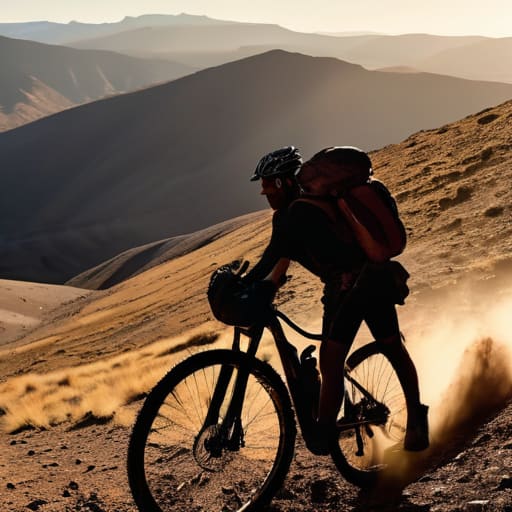
The biggest mistake I see people make is treating a bikepacking itinerary like a travel brochure rather than a living, breathing risk assessment. When you are looking into bikepacking trip planning, you have to account for the “friction” of the real world. On paper, a hundred miles sounds manageable; in reality, that hundred miles includes a headwind that feels like a physical wall, a mechanical failure in a valley with no signal, and the slow, grinding fatigue that sets in around hour six. You aren’t just moving from point A to point B; you are managing a finite amount of energy and daylight.
This is where the distinction between bikepacking vs cycle touring becomes vital. Touring is about the destination and the comfort of the journey; bikepacking is about the ability to navigate terrain that would break a standard setup. You have to be honest about your limits. If your route involves technical singletrack, your bikepacking bike setup needs to be stripped of every ounce of unnecessary weight, or that extra kilo of gear will feel like ten when you’re climbing a steep, loose fire road in the rain. Plan for the worst-case scenario, because the mountains don’t care about your schedule.
Bikepacking vs Cycle Touring Knowing Your Limits Before You Leave
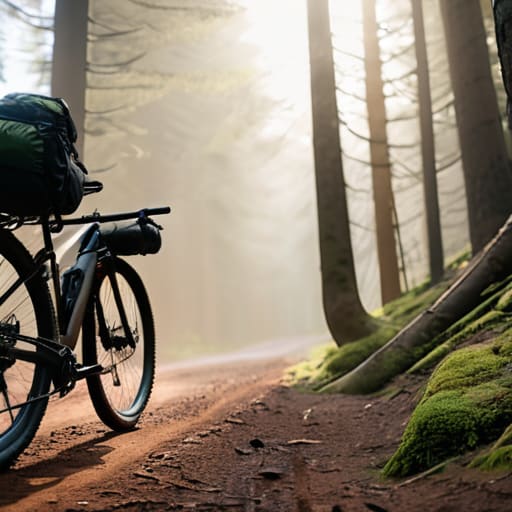
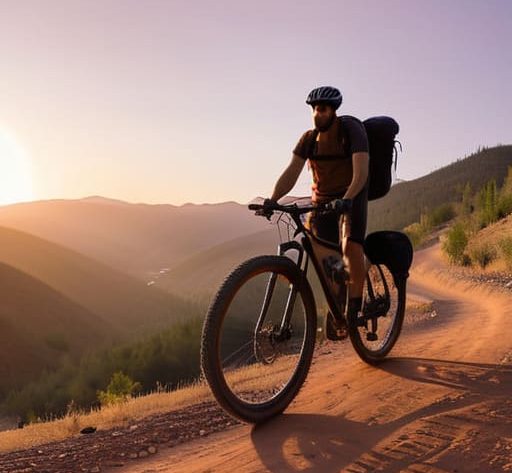
The distinction between bikepacking vs cycle touring isn’t just about the weight of your bags; it’s about the terrain you’re willing to negotiate. Cycle touring is a civilized affair—you’ve got panniers, a steady rhythm, and usually a paved road or a well-maintained gravel track beneath your tyres. It’s predictable. Bikepacking, however, is a different beast entirely. You are stripping your bike down to the bare essentials to navigate singletrack, steep climbs, and technical descents where a traditional rack would simply snap or throw your balance off.
When I’m looking at a bikepacking bike setup, I’m looking for agility over capacity. If you’re planning to haul a heavy stove and three days of gourmet meals, you aren’t bikepacking; you’re touring on a lightweight frame. True bikepacking demands a certain level of calculated minimalism. You have to decide early if you’re prepared to carry your weight on your body rather than on your wheels. If you try to treat a technical mountain trail like a touring route, the mountain will remind you very quickly that it doesn’t care about your itinerary.
The Details That Actually Matter When You're Moving
- Weight is a lie until you’re halfway up a climb. A bag might say it’s 500g on a spreadsheet, but once you’ve carried it for three days through mud and sleet, you’ll feel every single gram in your lower back. I’ve used the Osprey Talon series for about four seasons now, mostly on multi-day treks with heavy loads, and while they are comfortable, don’t let a manufacturer’s “lightweight” claim trick you into underestimating the fatigue of a steep ascent.
- Your lighting setup needs a redundancy plan. I have used my Petzl Actik Core headlamps for nearly five years in various mountain conditions, and they are reliable, but if your primary light fails on a technical descent in the twilight, you aren’t just inconvenienced—you’re in danger. Always carry a secondary, smaller light source that is physically separate from your main battery pack.
- Stop trusting the “sunny” icon on your weather app. A forecast might show clear skies for your riding window, but if that wind speed is projected to jump to 40mph on a ridge, your ability to balance a loaded bike changes entirely. I’ve seen too many people get caught in a sudden temperature drop because they planned for the temperature, not the wind chill.
- Pack your “survival” kit in the same place every single time. This isn’t about fancy gadgets; it’s about knowing exactly where your emergency shelter, extra layers, and first aid are when the light is failing and your hands are shaking from the cold. If you have to dig through a pannier for twenty minutes to find your thermal shell, you’ve already lost the battle against hypothermia.
- Check your brakes and drivetrain before you leave the driveway, not when you’re twenty miles into the nearest forest. I’ve spent years watching people realize their brake pads are worn thin only when they actually need to stop on a descent. If you haven’t inspected your mechanical components in the last month, you aren’t ready to ride.
The Cost of Optimism
“Most people plan their bikepacking trips around the best possible version of the weather, but I plan mine around the worst. You can pack for a sunny afternoon, but you can’t pack for the moment your decision to skip that extra layer at noon turns into a shivering, gear-soaked struggle to pitch a tent in the dark at 8:00 PM.”
Bridget Halloran
The Reality of the Ride
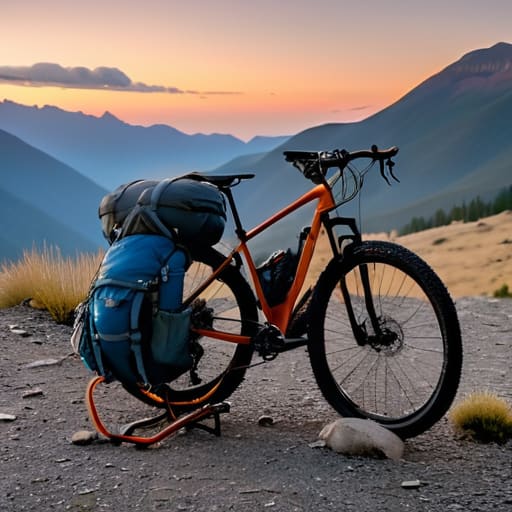
At the end of the day, successful bikepacking isn’t about having the most expensive titanium components or the lightest carbon frame; it is about the discipline of preparation. You have to respect the difference between a casual cycle tour and the grit required for off-road self-sufficiency. It means understanding your gear—knowing exactly how your tent performs in a sustained 20mph wind and how your stove behaves when the temperature drops below freezing—and, most importantly, knowing when to turn back. If your planning was sound, your gear is vetted, and your expectations are grounded in the reality of the terrain, you aren’t just surviving the trip; you are actually experiencing it.
There is a specific kind of quiet that you only find when you are miles from a paved road, sitting by a small stove as the light fails. It is a hard-won peace that comes from knowing you have the right layers, the right tools, and the right mindset to handle whatever the weather throws at you. Don’t let the fear of a bad forecast or a heavy pack stop you from heading out, but don’t let unearned optimism lead you into a situation you can’t manage. Pack carefully, check your brakes, and listen to the hills. The road—or the trail—is waiting, and it is far more rewarding when you arrive prepared.
Frequently Asked Questions
How much extra weight can my bike actually handle before the handling becomes dangerous on technical descents?
It depends entirely on your bike’s geometry, but for most gravel or MTB setups, I start feeling the danger zone once you exceed 15kg of loaded gear. I’ve spent ten years hauling packs through technical terrain; if your weight is poorly distributed—usually too much behind the saddle—that front wheel will wander on steep, loose descents. If you’re carrying more, you need to move weight forward and keep your center of gravity low.
What is the realistic minimum amount of gear I need to carry if I want to avoid being caught out by a sudden drop in temperature?
You can’t pack for the temperature you start with; you pack for the temperature you’ll hit when you’re stationary and damp at 2:00 AM. I’ve seen people freeze because they thought a light windbreaker was enough. You need a dedicated mid-layer—I’ve used my Rab Microlight in sub-zero gusts for three seasons now—and a high-quality hardshell. If your shell doesn’t breathe, you’ll sweat, get wet, and then the temperature drop will actually kill you.
How do I know when a route is too ambitious for my current fitness level and the type of terrain I'm facing?
Don’t look at your average road pace; it’s useless here. You need to look at your ability to move while carrying a loaded bike through technical terrain. If you can’t handle a heavy pack on a steep, muddy hike for four hours, you won’t handle a loaded bike on a gravel ascent. If your training doesn’t include sustained, heavy efforts in the exact terrain you’re planning, you’re being optimistic. And optimism is what gets you stuck in the dark.