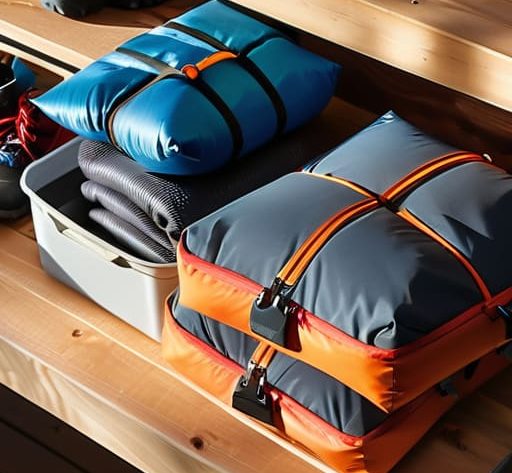
I once watched a group of relatively experienced walkers reach for their hardshells halfway up a ridge in the Cairngorms, only to find the waterproof membranes had delaminated and turned into useless, sticky plastic. It wasn’t bad luck; it was the result of shoving their gear into a damp, unventilated bin at the end of the season. Most people think learning how to store outdoor gear is about buying expensive, specialized storage cases or following some complex chemical cleaning ritual, but that’s mostly marketing fluff. In reality, the difference between a jacket that lasts ten years and one that fails you in a gale is usually just a matter of preventing rot and compression before the season even ends.
I’m not here to sell you a subscription to a gear-care magazine or peddle overpriced airtight containers. I’m going to tell you exactly how I manage my own kit—from my down sleeping bags to my heavy-duty boots—based on what I’ve seen fail in the field. I’ll give you the honest, unvarnished truth about how to store outdoor gear so that when you’re standing in horizontal rain, you can actually trust your equipment to do its job.
Table of Contents
Preventing Mold on Camping Equipment Before It Starts
The biggest mistake I see—and I’ve seen it ruin a perfectly good season for many a hiker—is the “pack and forget” habit. You finish a wet weekend in the Lake District, shove your damp tent and sleeping bag into a compression sack, and shove it in the cupboard. That is a recipe for disaster. If you aren’t actively preventing mildew in tents by ensuring they are bone-dry before they ever touch a storage bin, you aren’t really maintaining your kit; you’re just incubating spores. I’ve spent too many mornings in the field trying to scrape black spots off a flysheet that should have been aired out three weeks prior.
When it comes to storing sleeping bags properly, the rule is simple: never leave them in the stuff sack. I’ve used my down bag through fourteen different seasons of heavy condensation and mist, and the only reason it still lofted this morning is because I always hang it up or lay it flat in a dry room for at least forty-eight hours after a trip. If you feel even a hint of dampness in the insulation, keep it out of the cupboard. It is much easier to dry a bag in your living room than it is to try and fix a mold-ridden mess once the temperature drops on the ridge.
Protecting Waterproof Gear From Losing Its Edge
If you leave your hardshell crumpled in a damp corner of the loft, you aren’t just risking a smell; you’re actively killing the jacket. Most people think once the DWR (Durable Water Repellent) coating starts to fail and the fabric begins to “wet out,” it’s time for the bin. Usually, it isn’t. I’ve used my current Arc’teryx Beta for four seasons now, mostly in the heavy, soaking mist of the Lake District, and the membrane is still intact because I don’t let the oils from my skin or the grit from the trail sit in the fibers.
Protecting waterproof gear is less about where you put it and more about how you prep it before it goes into storage. I never, ever put a jacket away after a long day without washing it first. If you leave salt from your sweat or dried mud on the surface, those particles act like tiny sandpaper grits that break down the waterproof coating over time. Once it’s clean, air-dry it completely—no radiators, just a cool breeze—and store it hanging up. Avoid compressing your waterproofs into tiny stuff sacks for long-term storage; give the fabric room to breathe so the layers don’t bond together.
Five ways to stop your kit from failing when the weather turns
- Give your sleeping bag breathing room. I’ve seen too many people shove their down bags back into those tiny compression sacks immediately after a trip. If you do that, you’re crushing the loft and killing the warmth. I’ve used my Nemo Disco for four seasons now, and I always store it loose in a large cotton bag or just draped over a chair. It needs to breathe to stay puffy.
- Stop hanging your heavy boots by the laces. It looks tidy in a hallway, but it stretches the leather and pulls the stitching out of shape over time. I’ve had a pair of Meindls last me six years because I leave them by the door, stuffed with a bit of newspaper to draw out the moisture from the day’s walk. It keeps the shape and prevents that damp, sour smell from setting in.
- Watch the humidity in your storage space. If you’re keeping your tent in a garden shed or a damp garage, you’re asking for trouble. I keep my lightweight stormfly in a plastic tub with a few silica gel packets in my airing cupboard. I’ve tested this through three winters of storage, and it’s the only way to ensure that when you pull it out for a sudden weekend away, the flysheet isn’t covered in black spots.
- Don’t store your technical layers with your everyday clothes. If you toss your expensive Gore-Tex shell into a pile of cotton t-shirts and jeans, the oils from your skin and the detergents from your laundry can build up and clog the membrane. I keep my shell hanging separately in a breathable garment bag. It keeps the DWR coating from being compromised by whatever else is in the wash.
- Check your stove fuel and canisters before you pack them away. I’ve had people leave canisters in a hot car or a shed over summer, and it’s a massive safety risk. I check my Jetboil canisters every autumn; if the seal looks even slightly compromised or if they’ve been sitting in a high-heat area, I don’t trust them for a winter ascent. It’s a small check that prevents a very cold, very hungry disaster on the ridge.
The Cost of Neglect
I’ve seen enough people shivering in a tent at 3:00 AM because they thought a slightly damp sleeping bag would ‘dry out eventually’ in the cupboard. Gear doesn’t just fail; it degrades because we treat it like it’s invincible, forgetting that the moment you stop caring for it is the exact moment it will fail you when the weather turns.
Bridget Halloran
Final Thoughts Before the Next Ascent
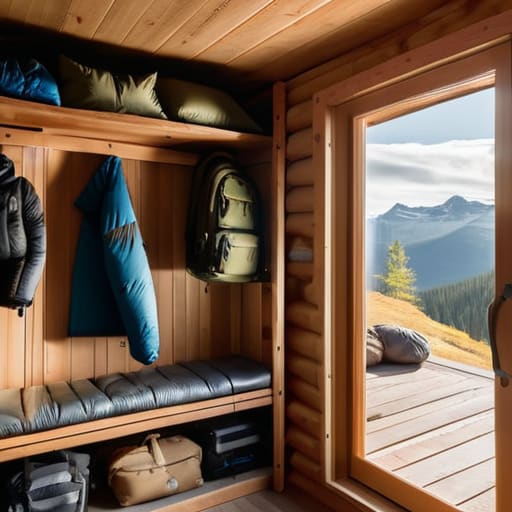
At the end of the day, gear maintenance isn’t about being precious; it’s about reliability. If you’ve taken the time to dry your sleeping bag properly, avoid crushing your down jacket in a tight cupboard, and treat your hardshell after a season of heavy use, you’ve already done the hard part. I’ve seen too many people standing on a scree slope in a sudden downpour, realizing their “waterproof” jacket is actually just a sponge because they neglected the DWR coating. It’s the small, repetitive habits—the drying, the cleaning, the proper storage—that ensure your equipment remains an asset rather than a liability when the weather turns. Don’t let a bit of preventable mold or a delaminating seam be the reason you have to turn back early next season.
We spend so much time planning the route, checking the topo maps, and watching the bird activity on the ridges, but we often forget that our gear is the only thing standing between us and the elements. Taking care of your kit is a way of respecting the mountains and the unpredictable environments we choose to walk in. When you treat your equipment with a bit of discipline, you aren’t just preserving fabric and nylon; you are buying yourself a margin of safety. So, clean your boots, air out your tent, and get it all ready. The hills aren’t going anywhere, and when the next window of good weather opens up, you’ll be glad you didn’t leave your survival to chance.
Frequently Asked Questions
Is it actually worth the extra weight to carry a dedicated dry bag for my sleeping bag, or can I just trust my tent fly?
I’ve spent fourteen years sleeping in everything from high-end tents to makeshift bivvies, and I’ll tell you this: never trust a tent fly alone. I carried a 40g Osprey dry bag through three days of relentless driving rain in the Cairngorms last October, and my down quilt stayed bone-dry. If your tent leaks—and eventually, they all do—you’ll be shivering in a wet bag by midnight. That extra weight is a cheap insurance policy against hypothermia.
How do I know if my waterproof jacket's DWR coating is actually gone, or if I'm just feeling the humidity?
It’s the “wetting out” effect. If you’re standing in a light drizzle and the outer fabric starts looking dark and heavy—like a sponge—instead of the water beading into little pearls that roll off, your DWR has failed. I’ve spent three days straight in the Cairngorms with a shell where the water stopped rolling and started soaking in; once the face fabric is saturated, your breathable membrane can’t move moisture, and you’ll feel clammy regardless of the humidity.
Can I store my climbing ropes and slings in the car, or will the temperature swings ruin them before I even get to the trailhead?
Leave them in the car and you’re asking for trouble. I’ve seen enough gear degraded by extreme heat cycles to know better. A car in summer is an oven that cooks the coatings right off your slings, and a frost-hit car in winter can make nylon brittle. I keep my ropes in a breathable dry bag inside my kit bag at home. It’s a small habit, but it beats finding a micro-fracture when you’re halfway up a pitch.