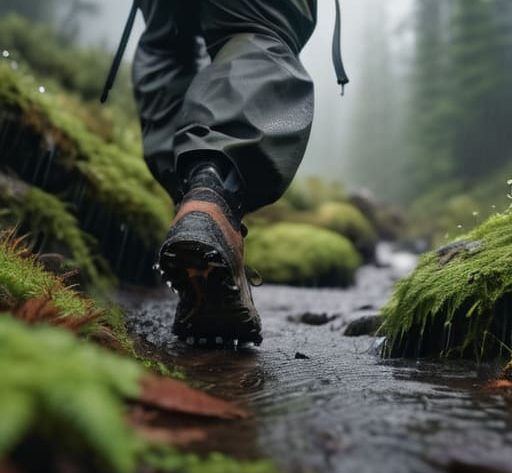
I once spent six hours huddled under a limestone overhang in the Cairngorms, watching a group of well-meaning walkers try to navigate a descent in what they thought were “professional grade” shells. They weren’t actually dry; they were just less wet than they would have been in cotton, but they were absolutely soaked from the inside out because the fabric had zero breathability. Most people approach the question of how to choose waterproof trousers by staring at a spec sheet filled with marketing jargon and hydrostatic head ratings that mean nothing when you’re mid-ascent and sweating through your base layers. You don’t need a technical lecture; you need to know if the fabric will actually move with you or if it’s going to turn you into a human sauna the moment the wind picks up.
I’m not here to sell you on the latest lightweight hype or repeat a manufacturer’s press release. Instead, I’m going to tell you what actually matters when the weather turns foul: the cut, the durability of the seams, and the reality of the ventilation. I will tell you exactly how many seasons I’ve put certain models through and how they held up in a proper gale. This is about finding gear that works when you’re too tired to care about fashion.
Table of Contents
Waterproof vs Water Resistant Why the Distinction Matters
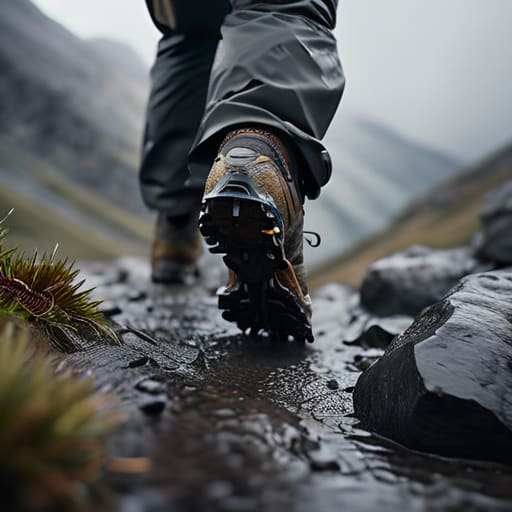
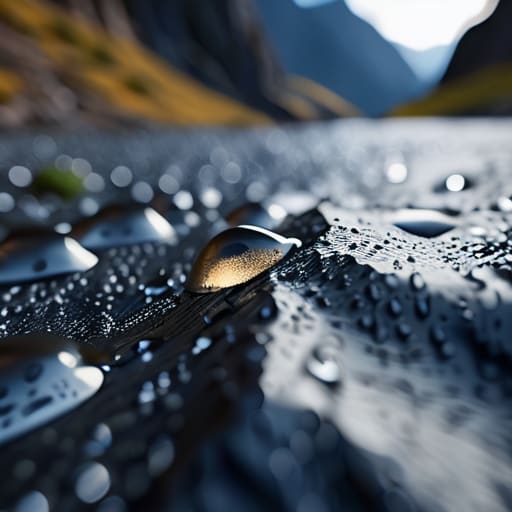
I’ve seen it happen a dozen times: someone heads out for a “light stroll” in a drizzle, relies on a pair of water-resistant hiking trousers, and finds themselves shivering on a ridge two hours later when the wind picks up and the rain turns sideways. The distinction between waterproof vs water resistant isn’t just technical jargon; it is the difference between staying dry and getting soaked to the skin. Water-resistant gear is essentially treated fabric designed to shed a light mist or a brief shower. It relies on a DWR (Durable Water Repellent) coating that makes water bead up and roll off. It’s fine for a walk in the park, but it won’t stand a chance against a sustained downpour or the pressure of rain being driven against you by a gale.
True waterproof trousers are built differently. They rely on a membrane and rigorous seam sealing technology to ensure that water cannot penetrate the fabric or the stitch holes. When you are looking at specs, you’ll see the hydrostatic head measurement, which tells you how much water pressure the fabric can withstand before it leaks. If you’re planning to be out for more than an hour in anything resembling real weather, you need that barrier. Anything less is just an optimistic decision waiting to be corrected by the clouds.
Decoding Hydrostatic Head Measurement Without the Marketing Fluff

You’ll see numbers like 5,000mm or 20,000mm plastered all over the packaging, and the marketing will tell you it’s a definitive grade of quality. It isn’t. Hydrostatic head measurement is just a lab test where a column of water is pressed against a piece of fabric until it leaks. It tells you how much pressure the material can take before it fails, but it doesn’t tell you how that fabric will behave when you’re halfway up a scree slope in a gale.
I’ve used my current pair of heavy-duty hardshells for three seasons now, mostly in the Lake District during sustained autumn rain, and I’ve learned that a high rating is only half the story. If the trousers have a high rating but poor breathability ratings explained in the fine print, you’ll be soaked from your own sweat before you even reach the summit. You also need to look closely at the seam sealing technology; a 20,000mm fabric is useless if the needle holes along the crotch and thighs haven’t been properly taped. Don’t buy the number; buy the construction.
Five things the spec sheet won't tell you
- Check the breathability when you’re actually moving. I’ve spent fifteen years watching people freeze because they chose a heavy, non-breathable shell that turned their trousers into a plastic bag. If you’re doing a steep ascent in 10°C rain, you don’t want a waterproof barrier; you want a membrane that can actually move moisture away from your skin before you’re soaked from your own sweat.
- Look at the seam construction, not just the fabric. I’ve tested several “high-end” trousers over the last three seasons in the Cairngorms, and if those seams aren’t fully taped, the hydrostatic head rating is a lie. Water will find its way through the stitching long before it penetrates the fabric itself.
- Evaluate the side zips for real-world use. I use my current pair—a lightweight 340g shell—every time I’m leading groups in wet conditions, and the full-length side zips are non-negotiable. You need to be able to get them on over your boots without having to strip down to your base layers in the middle of a downpour.
- Don’t ignore the “cut and fit” for mobility. I’ve seen too many people buy trousers that are technically perfect on paper but so restrictive that they can’t actually step over a boulder or sit down comfortably. If you can’t take a full stride without the fabric pulling tight against your thighs, you’re going to end up tearing a seam or, worse, losing your balance on a wet scramble.
- Consider the weight versus the durability trade-off. If you’re doing a fast, light ridge walk, a 200g packable pair is fine, but if you’re out for three days in the wind and sleet, you need something with a bit more grit. I personally wouldn’t trust a paper-thin emergency shell for anything more than a ten-minute dash to the van; they just don’t have the structural integrity for sustained mountain weather.
The reality of the ridge
I’ve seen too many people treat waterproof trousers like an afterthought, something they only pull out when the sky turns grey, only to find they’ve spent the last three hours sweating through a non-breathable membrane. A good pair isn’t about staying dry from the rain; it’s about making sure you don’t end up soaked from your own exertion before you even reach the summit.
Bridget Halloran
The final decision
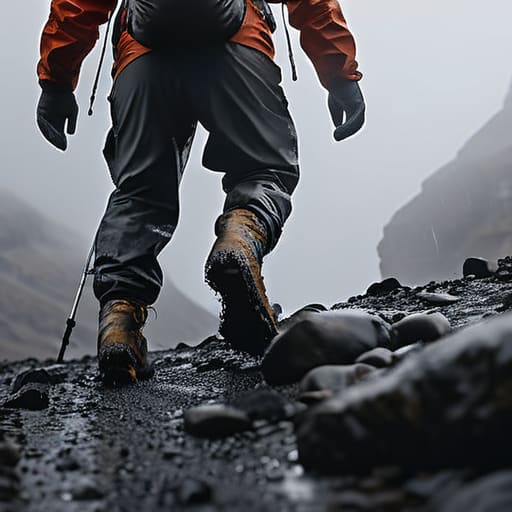
At the end of the day, choosing trousers isn’t about finding the highest number on a spec sheet; it’s about matching the kit to your specific version of misery. If you’re doing a quick scramble in a light drizzle, water-resistant softshells are plenty. But if you’re planning to spend six hours on a high plateau in a sustained Atlantic front, you need a dedicated waterproof with a high hydrostatic head and, more importantly, breathability that actually works. I’ve spent too many hours sitting in damp, clammy trousers because I prioritized weight over a proper membrane, and I can tell you that the weight penalty of a sturdier pair is worth every gram when the temperature drops. Don’t buy for the sunny walk you hope to have; buy for the worst weather you can actually imagine.
Gear is just a tool to help you stay in the game longer. It won’t stop the wind from biting or the rain from falling, but the right trousers mean you’re focusing on the trail and the movement of the birds above, rather than the cold creeping up your legs. When you have the right layers, you can afford to be patient with the weather instead of rushing to get off the hill. The mountains aren’t going anywhere, and if you’re prepared, you can stay out there to see them properly. Just remember: the best kit is the stuff that lets you forget you’re wearing it.
Frequently Asked Questions
If I’m doing a fast-paced scramble in the rain, will a high waterproof rating actually make me feel more clammy because I can't get the sweat out?
Yes, absolutely. That’s the trap. If you’re scrambling, your heart rate is up and you’re generating massive amounts of heat. A high hydrostatic head rating tells you how much water can push through the fabric from the outside, but it says nothing about how much moisture can escape from the inside. I’ve spent many a steep ascent in “top-tier” trousers feeling like I was sitting in a warm bath because the breathability couldn’t keep up with the sweat.
How much weight am I actually going to feel in my pack if I opt for heavy-duty Gore-Tex instead of a lighter, more packable shell?
You won’t feel the difference on a stroll through the valley, but you’ll feel it when you’re four hours into a steep ascent with a heavy pack. I’ve carried both. A heavy-duty Gore-Tex shell might weigh 500g more than a lightweight equivalent; in a calm forest, that’s nothing. But when you’re navigating a ridge in a gale and every gram is fighting your momentum, that extra weight translates to fatigue. Choose for the conditions you actually face, not the ones you hope for.
At what point do the seams actually start to fail after a season of heavy use and constant stuffing into a rucksack?
It depends on the seam tape, but I’ve seen high-end shells start to delaminate after about eighteen months of heavy, daily use. If you’re constantly stuffing them into a damp rucksack, you’re inviting moisture to sit in those folds. I’ve used my current pair for three seasons of winter leading; the seams are still holding, but I noticed the tape starting to lift slightly around the inner thigh last November. If you see peeling, they’re done.