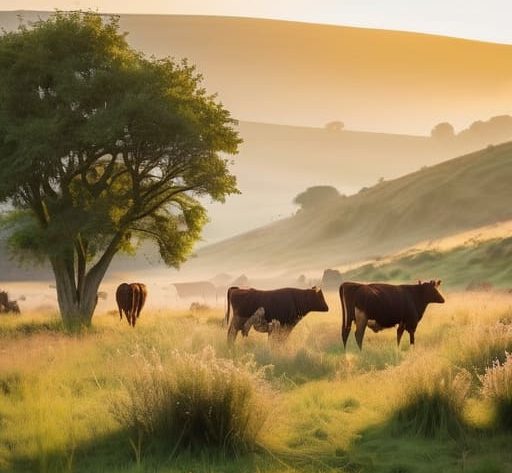
I remember standing on a windswept ridge in the Cairngorms back in 2012, watching a group of well-meaning volunteers try to “restore” a patch of scrub by hand-pulling everything that looked a bit too thick. They were exhausted, sunburnt, and frankly, they were making a mess of it. They didn’t realize that you can’t out-work a landscape that has lost its natural rhythm; you have to understand how conservation grazing works by letting the animals do the heavy lifting. It isn’t about seeing cute sheep on a hillside for a photo op; it’s about the precise, often messy timing of when a specific breed of hardy cattle or sheep hits a particular patch of heather to stop the whole ecosystem from choking on its own success.
I’m not here to give you a lecture filled with academic jargon or glossy brochures from a land management agency. I want to talk about the reality of what happens when you actually put livestock to work—the muddy reality, the seasonal shifts, and the way a properly managed flock can create the exact kind of niche habitats my raptor logs have relied on for years. I’ll tell you what actually moves the needle and what is just expensive window dressing, based on twenty-two years of watching these hills change.
Table of Contents
Rotational Grazing Management More Than Just Moving Fences
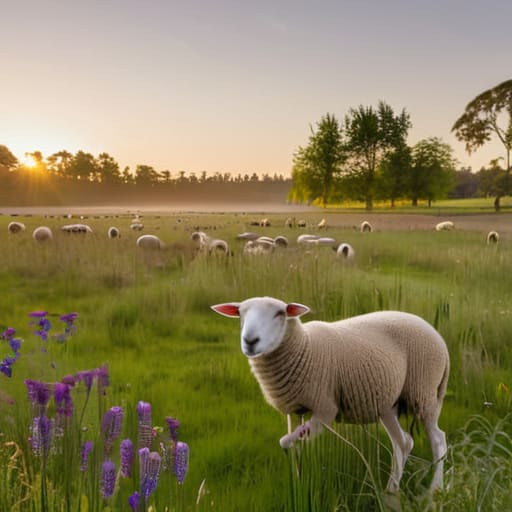
Rotational grazing management isn’t just about shifting a few temporary electric fences every few weeks to keep the animals moving; it is a precise, calculated tool for managing how a landscape breathes. When sheep or cattle are left in one paddock for too long, they don’t just eat the grass—they strip the land bare and compact the earth, which is a disaster for anything trying to take root. By moving them strategically, we use vegetation structure and herbivory to create a mosaic of different heights and plant types. This prevents any single dominant species from choking out the delicate wildflowers and sedges that other creatures depend on.
I’ve seen firsthand how this rhythm affects the ground beneath your boots. In areas where the rotation is handled well, you see a massive difference in the grazing impact on soil health; the ground stays spongy and aerated rather than becoming a baked, lifeless crust. This structural variety is what actually drives biodiversity enhancement through grazing. It creates the specific micro-climates—the little patches of tall cover and the open, short turf—that a ground-nesting bird or a rare invertebrate needs to survive the season.
Vegetation Structure and Herbivory Finding the Right Balance
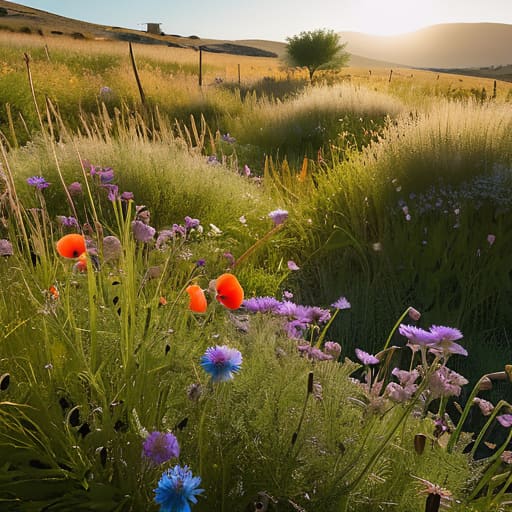
It isn’t enough to just put animals on a patch of land and hope for the best; you have to understand the relationship between vegetation structure and herbivory. If you leave sheep on a hillside for too long, they’ll graze it down to a short, uniform carpet that offers zero cover for anything else. Conversely, if you leave it entirely alone, the scrub takes over, the light disappears, and you lose the delicate wildflowers that specific insects rely on. My time spent monitoring nesting sites taught me that a healthy landscape needs a mosaic—pockets of tall, tussocky grass for nesting and shorter, grazed areas for foraging.
Achieving this requires a precise touch. When we talk about biodiversity enhancement through grazing, we aren’t looking for a tidy garden; we are looking for a messy, functional complexity. It’s about using the animals to create that unevenness. I’ve seen how a well-timed movement of stock can prevent a hillside from becoming a monoculture of coarse grasses, ensuring that the right niches remain open for birds and invertebrates alike. It’s a fine line between a thriving ecosystem and a landscape that’s simply been eaten into submission.
Five Realities of Managing a Living Landscape
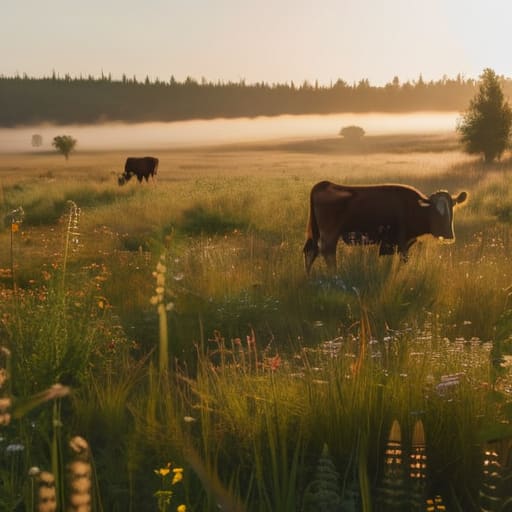
- Timing the movement is everything. You aren’t just moving animals from one field to another; you are timing their presence to match the lifecycle of the ground they stand on. If you graze too early in the spring, you’ve just cleared the buffet for the ground-nesting birds I spend my winters tracking.
- Don’t mistake a uniform field for a healthy one. A landscape that looks like a manicured lawn is often a dead zone for biodiversity. You want the mess—the patches of scrub, the clumps of tall grass, and the bare earth—because that’s where the insects and the small mammals actually survive.
- The wrong animal in the wrong place is a disaster. A sheep might nibble the tops of the grasses, but it won’t touch the woody scrub that’s choking out the heather. You need the right “engine”—be it cattle, ponies, or goats—to do the specific heavy lifting the habitat requires.
- Watch the soil, not just the grass. I’ve seen too many “conservation” projects turn into compaction nightmares because they ignored the ground density. If the animals are staying in one spot too long, they aren’t grazing; they’re turning the habitat into a mud bath that nothing can grow in.
- Success looks like a struggle. If a management plan looks easy, it probably isn’t working. True conservation grazing is a constant, slightly frustrating tug-of-war between keeping the vegetation at the right height and making sure you haven’t accidentally stripped the life out of the soil.
The Fine Line Between Grazing and Neglect
People tend to look at a hillside and see either a beautiful meadow or a messy thicket, but they rarely see the tension in between. Conservation grazing isn’t about letting animals roam wherever they please; it’s about the precise, often unglamorous work of using livestock as a biological tool to prevent the landscape from becoming a monoculture that’s useless to everything from the smallest insect to the raptors I track.
Bridget Halloran
The Long View
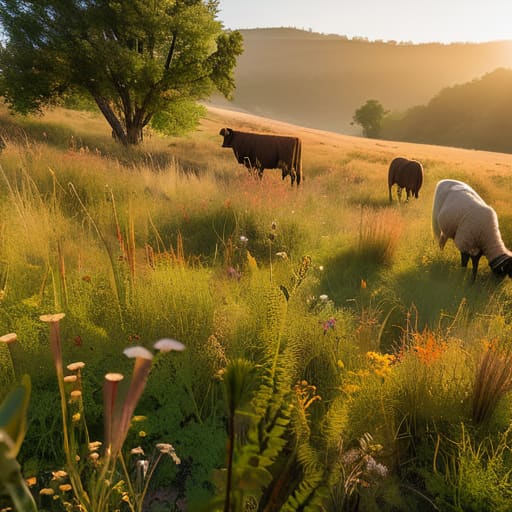
At the end of the day, conservation grazing isn’t some magic wand you wave over a field to fix biodiversity; it is a slow, meticulous process of management. It’s about understanding that a landscape needs the right pressure—the right number of hooves and the right timing—to prevent it from becoming a monoculture of scrub or a barren wasteland. We’ve looked at how rotational movement prevents overgrazing and how different animals create the varied vegetation structures that birds and insects actually need to survive. It is a delicate, often frustratingly slow balancing act between preventing stagnation and avoiding total depletion. If you get the timing wrong, or if you ignore the specific needs of the local soil and flora, you aren’t managing a habitat; you’re just moving animals around in circles.
I’ve spent twenty-two years watching how these hills change, and I’ve learned that the most resilient landscapes are rarely the ones left entirely to their own devices. They are the ones where humans have stepped in with a sense of purposeful restraint. When we get grazing right, we aren’t just managing sheep or cattle; we are protecting the intricate, messy, and beautiful web of life that relies on that specific patch of ground. It requires patience and a willingness to watch the weather and the seasons rather than a spreadsheet, but that is how we ensure these spaces remain vibrant and living for the next generation of walkers and wildlife alike.
Frequently Asked Questions
How do you actually decide which breed of sheep or cattle is right for a specific patch of ground without just guessing?
You don’t pick a breed because it looks right in a brochure; you pick it based on the terrain and the grit. I’ve seen people try to put heavy cattle on boggy, slopey ground where they’ll just end up poaching the soil into a mess. It’s about matching the animal to the micro-climate and the vegetation. You look at the slope, the moisture levels, and the specific scrub you need tackled. If you guess, you’re just wasting time and money.
What happens to the local bird populations if the grazing schedule gets messed up by a particularly harsh winter?
If a harsh winter throws the schedule off, you lose the window of opportunity. If sheep stay too long, they trample the very ground where ground-nesting birds—like curlews or lapwings—need to establish cover. Conversely, if they’re moved too late, the vegetation gets too rank, and the birds lose their visibility for spotting predators. I’ve seen it happen: one bad season of timing, and a nesting site becomes a graveyard rather than a nursery.
How do you measure whether the grazing is actually working instead of just looking like a nice, tidy field?
You don’t look at how tidy the field is; you look at the mess. A “tidy” field is often a dead one. I look for structural diversity—patches of coarse grass, areas of bare ground for pioneer species, and a mix of sward heights. If every inch looks like a manicured lawn, the grazing is failing. I also check the bird logs. If the ground-nesting species aren’t returning to those specific patches, the management isn’t hitting the mark.