I’ve spent twenty-two years watching people make the same mistake: they walk into an outdoor shop with a credit card and a sense of misplaced optimism, thinking they can buy their way into being prepared. They come home with a mountain of shiny, lightweight gadgets, yet they’re still the ones I find shivering on a ridge because they bought a high-tech shell but forgot a decent pair of mid-layers. You don’t need a warehouse full of gear to be safe; in fact, learning how to build a gear kit gradually is much more effective than trying to buy the whole catalog at once. If you try to do everything in one weekend, you’ll end up with a collection of expensive mistakes rather than a reliable system.
My goal here isn’t to sell you on the latest marketing hype or the lightest weight possible for the sake of a number. I’m going to show you how to prioritize the items that actually keep you alive when the forecast turns sour. I’ll tell you exactly what I’ve used, how many seasons it has survived in the rain, and—more importantly—what you can afford to skip for now.
Table of Contents
Phased Equipment Acquisition Over Instant Gratification
The problem with modern outdoor retail is that it’s designed to make you feel like you’re missing something. You walk into a shop and suddenly, the fleece you bought last year feels inadequate, and the lightweight tent you just unpacked looks like a toy compared to the ultralight carbon-fiber models on the shelf. This drive for instant gratification is how people end up with a garage full of expensive, half-used kit that doesn’t actually work together. Instead of chasing the latest trend, I prefer a phased equipment acquisition approach. You don’t need a professional-grade expedition kit to walk a ridge in the Lake District; you need things that function predictably when the wind picks up.
I’ve seen too many people try to skip the basics to buy a high-end GPS or a fancy stove, only to realize they’re shivering in a damp cotton hoodie because they skimped on the layers. Think of it as a gear investment roadmap. Start with the things that touch your skin and the things that keep the rain out. Once you’ve used those items in a proper gale and know exactly where they fail, then—and only then—should you look at the next tier of kit.
Starter Kit vs Professional Gear Knowing the Gap
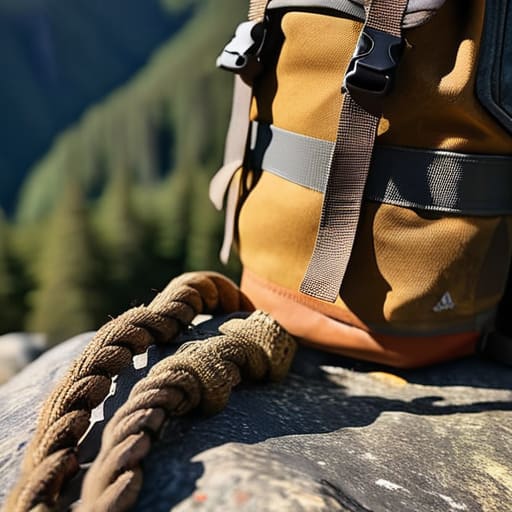
The biggest mistake I see people make is thinking that a high-end, lightweight kit is the only way to be safe. It isn’t. A starter kit vs professional gear comparison usually boils down to a trade-off between weight and durability. When I was a ranger, I saw plenty of hikers in expensive, ultralight shells that were shredded by a single encounter with a gorse bush or a sharp granite edge. If you are just starting out, a heavier, more robust piece of kit is often better because it can take the abuse of a learning curve.
You don’t need a titanium stove and a sub-200g sleeping bag to enjoy a weekend in the hills. Instead, focus on your gear investment roadmap by prioritizing the items that interact most with the elements: your boots, your waterproofs, and your insulation. I’ve used my current pair of heavy leather boots for six seasons across everything from boggy valleys to scree slopes; they aren’t light, but they haven’t failed me yet. Focus on the essential gear checklist items that offer reliability first, then worry about shaving grams once you’ve actually put the miles in.
The Rule of Three: How to Prioritise Your Spend
- Buy for the worst day you’ve actually experienced, not the best day you’re imagining. I’ve seen too many people buy lightweight summer shells because they look good in a catalogue, only to realize three hours into a ridge walk in the Lake District that they’re essentially wearing a plastic bag. If you haven’t spent a night in a downpour, don’t buy a four-season tent yet; buy the waterproofs that actually stop the wind first.
- Weight is a luxury you earn. I’ve used the same Osprey Baltoro pack for six years across everything from day hikes to week-long traverses in the Cairngorms, and while it’s heavy, it works. Don’t obsess over shaving off 200 grams with ultra-light titanium gear until you’ve actually carried a full load for twelve hours straight. You need to know how your body handles the weight before you start paying a premium to lose it.
- Test your kit in “boring” conditions before a big trip. A stove that works in your kitchen might fail when you’re trying to boil water with numb fingers in 4°C drizzle. I never trust a new piece of kit on a multi-day route unless I’ve used it at least three times in wet, miserable weather at home. If it fails in the garden, it will fail you on the mountain.
- Focus on the “Contact Points” first. Your boots, your socks, and your sleeping mat are the three things that dictate whether your trip is a success or a slow-motion disaster. I’ve spent twenty years watching people skimp on boots to buy a fancy GPS, only to end up with blisters that turn into infections. Invest in the stuff that touches your skin and your bones before you buy the gadgets.
- Avoid the “Complete Kit” trap. You don’t need a brand-new version of everything just because a new season has started. I keep a log of my gear because I know exactly which jacket has been through twenty rainstorms and which boots have been soaked through ten times. Build your kit by replacing things as they actually fail, not when the marketing tells you to.
The Cost of Being Prepared
“I’ve spent too many evenings sitting in a damp tent because someone thought a ‘budget’ waterproof was the same thing as a reliable one. You don’t need to buy the whole catalog in a single weekend, but you do need to invest in the layers that sit closest to your skin and the shell that actually holds when the wind is hitting sixty knots on a ridge. Build your kit around the reality of the mountain, not the aesthetics of the shop window.”
Bridget Halloran
The Long Game
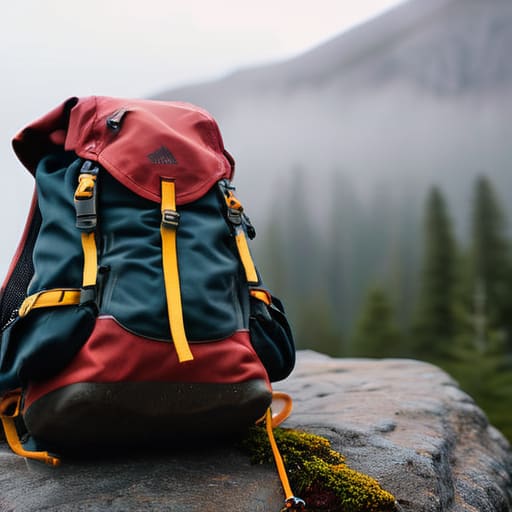
At the end of the day, building a kit is about avoiding the trap of buying a hundred pieces of “lightweight” gear that you haven’t actually tested in a real gale. You don’t need a full professional kit to get out the door, but you do need the essentials—the layers, the shelter, and the footwear—to be reliable. Focus on the foundational items first, the ones that keep you dry and warm when the temperature drops unexpectedly. By phasing your purchases, you ensure that every piece of kit in your pack has earned its place through actual use in real conditions, rather than just looking good on a shop shelf.
Don’t let the pressure of having the “perfect” setup stop you from heading out. The mountains don’t care about your brand names or your total kit weight; they only care about whether you are prepared for the reality of the environment. There is a specific kind of confidence that comes from knowing exactly how your jacket performs in a downpour or how your boots feel on a scree slope after six hours of walking. Build your kit one decision at a time, and eventually, you won’t just have a collection of gear—you’ll have a toolkit that you can actually trust when the weather turns.
Frequently Asked Questions
At what point in my training or hiking experience do I actually need to stop buying "entry-level" gear and start investing in the professional-grade stuff?
You stop buying entry-level gear the moment your kit becomes the bottleneck to your safety or your decision-making. If you’re turning back from a ridge because your shell is soaking through, or if you’re shivering in the tent because your sleeping bag is rated for a summer evening rather than a mountain night, that’s your signal. Don’t upgrade for the status; upgrade when the gear stops being a tool and starts being a liability.
How do I know if a piece of equipment is actually worth the extra weight or the higher price tag when I'm testing it on shorter walks?
You can’t judge a three-season sleeping bag on a damp Tuesday stroll through the woods. To test properly, you need to introduce a variable: discomfort. If you’re testing a lightweight shell, don’t just walk in the breeze; wait for that biting wind on a ridge. If you’re weighing up a pricey stove, use it when you’re actually tired and cold. If it doesn’t solve a specific problem when conditions get miserable, it’s just expensive weight.
If I'm buying gear piece by piece, how do I make sure everything I've collected so far actually works together as a cohesive system?
The trap is buying individual “best-in-class” items that refuse to cooperate. I’ve seen it often: someone buys a high-end, technical hardshell only to find it doesn’t breathe well enough with their mid-layer, leading to a soaked base layer by noon. Before you buy the next piece, check the compatibility. Test your layers together in the garden or on a damp Tuesday. If the system doesn’t manage moisture as a unit, it isn’t a system.