I spent a decade as a ranger watching people try to “save” nature with expensive, plastic-heavy gadgets that end up doing more harm than good. You’ll see them in garden centres all summer: fancy, overpriced “hedgehog hotels” that are essentially just glorified damp boxes if you don’t build them exactly right. If you’re looking for a magic bullet or a high-tech gadget to solve the problem, you’re wasting your time and your money. Real conservation isn’t about buying something; it’s about understanding how to help hedgehogs and small mammals by reclaiming the mess we’ve spent years trying to tidy away.
I’m not going to give you a shopping list of branded products or a lecture on theoretical ecology. Instead, I’m going to tell you what actually works when the frost hits and the ground turns to iron. I’ll be talking about the practical, slightly unglamorous realities—like why a pile of rotting logs is worth more than a designer bug hotel, and how to manage your borders without turning your garden into a sterile wasteland. This is no-nonsense, dirt-under-the-fingernails advice based on what I’ve seen survive in the wild, not what’s written on a glossy packaging insert.
Table of Contents
Preventing Garden Hazards Before the Weather Turns
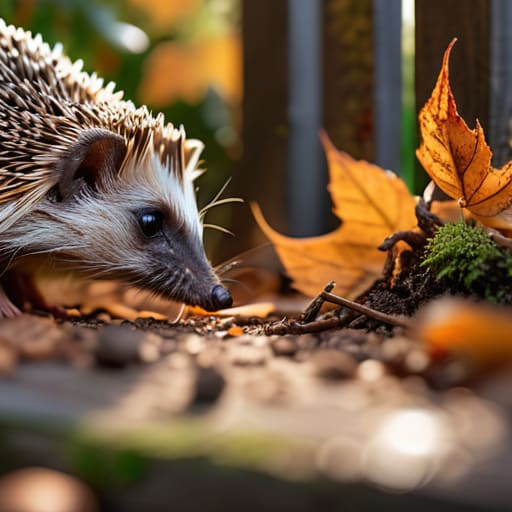
When the temperature drops and the ground turns to iron, a garden that looked lovely in July can quickly become a series of death traps. I’ve spent enough time in the field to know that a “tidy” garden is often a sterile one, and for a small mammal, a tidy garden is a dangerous one. If you want to focus on preventing garden hazards, start by looking at your boundaries. A solid fence is a wall to a hedgehog; it’s a dead end that forces them to travel further, burning precious fat reserves they need for survival. Use a spade to clip a small, two-inch gap at the base of your fence—it’s a tiny effort that makes a massive difference in creating garden corridors that actually function.
Next, take a hard look at your storage. I’ve seen too many people pile heavy timber or plastic bins in corners, inadvertently trapping a creature underneath as the season shifts. If you’re stacking wood for the winter, do it loosely and keep it away from the main paths. You aren’t just tidying up; you are managing the physical risks of a landscape that is about to get very unforgiving.
Hedgehog Hibernation Support for the Long Cold Nights
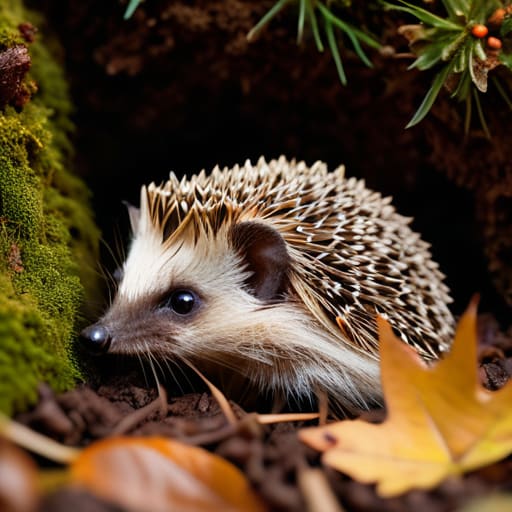
When the temperature drops and the ground starts to harden, the stakes for a hedgehog change. They aren’t just looking for a snack anymore; they are looking for a place where they won’t freeze or be disturbed by a hungry fox. If you want to provide genuine hedgehog hibernation support, stop looking for a fancy, store-bought “hibernation hotel” that will likely just sit there collecting damp. Instead, look for the messy corners of your garden. A thick pile of decaying leaves, some fallen branches, and a bit of undisturbed compost create a much better thermal buffer. I’ve spent years watching how microclimates work on the hills, and the principle is the same in a garden: density and depth are what keep the frost at bay.
It is also about the space between the houses. If your garden is a sealed island, they won’t find their way to your winter stores. Creating garden corridors by leaving gaps in fences or installing small tunnels is the difference between a thriving local population and a lonely one. Don’t worry about tidying up too much; a “perfect” garden is often a desert for a small mammal habitat. Leave the brambles and the leaf litter—that’s where the real work happens.
The small, practical shifts that actually make a difference
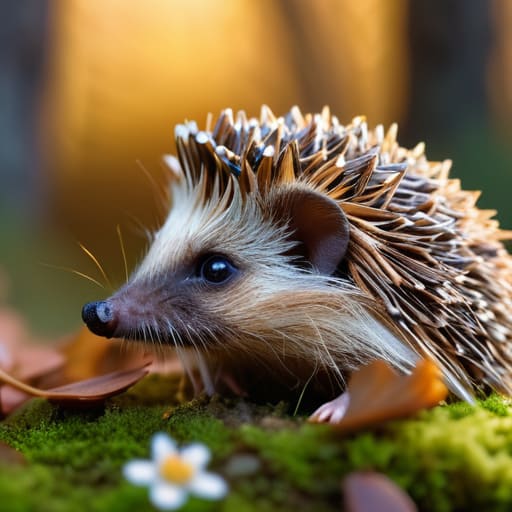
- Stop the chemical warfare; if you’re using slug pellets or heavy pesticides, you aren’t just killing pests, you’re poisoning the very food chain these mammals rely on to survive the winter.
- Create a corridor, not an island; a hedgehog can’t navigate a neighbourhood of solid fences, so if you can, pop a small hole in the bottom of your garden boundary to let them move between patches of habitat.
- Leave the “mess” alone; a tidy, manicured lawn is a desert for small mammals, so leave a corner of the garden to go slightly feral with leaf litter and brambles—it’s the best insulation and hunting ground you can provide.
- Watch your water sources; as the frost sets in, shallow dishes of water can freeze solid, so keep a heavy stone bowl out that won’t tip easily, and if you can, check it occasionally to ensure it hasn’t become an ice block.
- Manage your light; if you have bright security lights that stay on all night, consider shielding them or using motion sensors, because constant light pollution disrupts the natural foraging rhythms these animals need to build up fat reserves.
The cost of a tidy garden
We spend so much time trying to manicure our gardens into something neat and controlled, but for a hedgehog or a vole, a ‘tidy’ garden is often just a desert. If you want to actually help them, stop trying to manage the landscape and start letting it be a bit messy; a pile of decaying leaves or a patch of unkempt brambles is worth more than any expensive bird feeder you can buy.
Bridget Halloran
The small margin of error
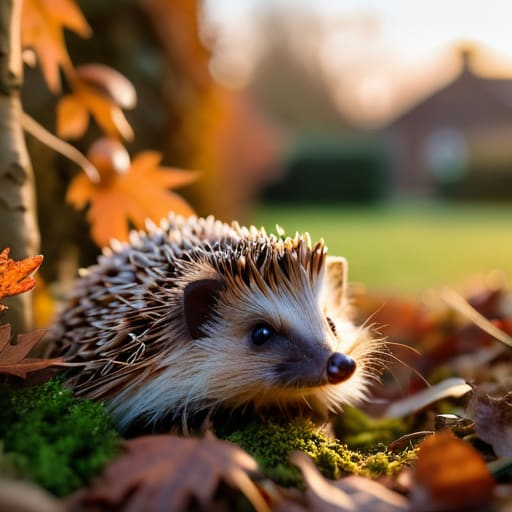
At the end of the day, helping hedgehogs and small mammals isn’t about grand gestures or expensive garden landscaping; it’s about removing the friction between them and survival. It comes down to the basics we’ve discussed: clearing those physical barriers, managing the garden to prevent hazards, and ensuring there is a decent, dry place for them to settle when the temperature drops. I’ve spent two decades watching how quickly a landscape can turn hostile when the weather shifts, and for a creature that weighs less than a kilogram, a single blocked gap or a flooded hibernation spot is a catastrophic failure. If you keep the paths clear and the nesting sites undisturbed, you’ve already done eighty percent of the hard work.
We often focus on the big, charismatic species, but there is a quiet, vital importance in looking after the small things that actually hold the ecosystem together. Providing a safe harbor in your garden is a way of acknowledging that nature doesn’t need us to manage it, it just needs us to stop getting in its way. By making these small, deliberate adjustments to your outdoor space, you aren’t just gardening; you are maintaining a vital corridor of life. It’s a simple way to ensure that when the winter frost finally breaks, the small inhabitants of your patch are still there to see the spring.
Frequently Asked Questions
How do I know if the "wild" patch I've left is actually helping or if I'm just creating a mess that attracts pests?
It’s a fair question. I’ve seen plenty of “wild” patches that are really just piles of rotting debris, which is more of a breeding ground for rats than a sanctuary for hedgehogs. If you see movement—a snout in the leaves or a beetle under a log—you’re doing it right. If it’s just a stagnant, damp mess, thin it out. Aim for structure: a pile of sticks, some brambles, and some leaf litter. Diversity is the goal, not chaos.
If I start leaving food out for hedgehogs, am I accidentally training them to rely on me instead of foraging naturally?
It’s a common worry, but you aren’t “spoiling” them. Hedgehogs are opportunistic foragers by design; they don’t have a mental map of where every beetle lives. Providing high-quality protein—specifically wet cat or dog food, never milk—is more like providing a safety net during lean periods than creating a dependency. As long as you aren’t expecting them to stop hunting, you’re just helping them build the fat reserves they need to survive until spring.
What’s the best way to check if a small mammal has actually moved into a nesting box without causing them stress?
Don’t go poking around the entrance. I spent three years monitoring dormouse colonies, and the quickest way to lose a resident is to make them feel hunted. If you want to know if a box is occupied, check the perimeter for “sign”—fresh scat, disturbed bedding, or even just a specific scent. If you must be sure, use a cheap trail camera. I’ve used the Bushnell models in heavy frost and driving rain for four seasons; they’re reliable and, more importantly, they stay out of the animal’s way.