I remember sitting in a damp hollow near the Brecon Beacons back in 2012, trying to log a specific sighting while the light was failing and my fingers were too cold to hold a pen. Everyone tells you that learning how to identify butterflies and moths requires a high-end macro lens and a stack of expensive, glossy field guides that are obsolete by the time they hit the shelves. They make it sound like a clinical, academic pursuit, but when you’re actually out there—when the wind is picking up and you’ve only got a few seconds of twilight left—you don’t need a textbook; you need to know what to look for before the movement stops.
I’m not here to give you a lecture on Latin nomenclature or sell you on a piece of kit I haven’t personally put through its paces in a gale. Instead, I’m going to show you how to read the subtle cues—the wing shape, the resting posture, and the way they interact with the light—that actually matter when you’re in the field. This is about practical observation built from years of watching them from the ground up, stripped of the fluff and focused on what you can actually see when the sun starts to drop.
Table of Contents
Decoding the Lepidoptera Identification Guide
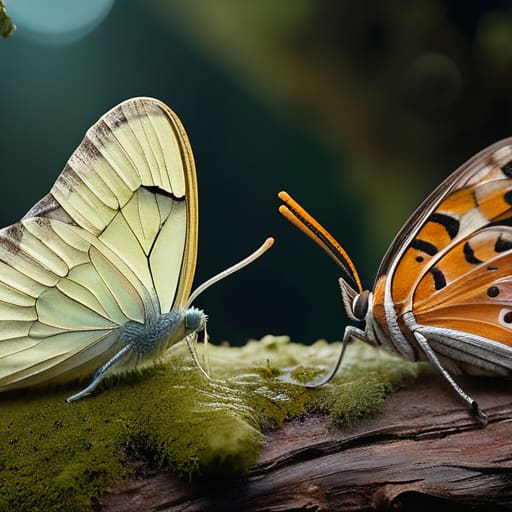
When you’re staring at a specimen in the fading light, most people jump straight to the colors. That’s a mistake. If you want to actually use a lepidoptera identification guide without feeling like you’re guessing, you have to look at the structural mechanics first. I’ve spent years sitting in damp valleys waiting for specific species to emerge, and I can tell you that the most reliable starting point is almost always an antenna shape comparison. Butterflies tend to have those distinct, clubbed ends—like little walking sticks—whereas moths usually sport feathery or tapered antennae. It’s a small detail, but it’s the one that holds up when the wind is picking up and the visibility is dropping.
Beyond the antennae, you need to master wing pattern recognition. Don’t just look for “spots”; look at how the markings interact with the vein structure of the wing. A pattern that looks like a simple blotch in the sun can reveal itself as a complex, protective camouflage once the shadows lengthen. Understanding the difference between butterflies and moths often comes down to these subtle, functional design choices rather than just whether they fly during the day or at night.
Wing Pattern Recognition in Fading Light
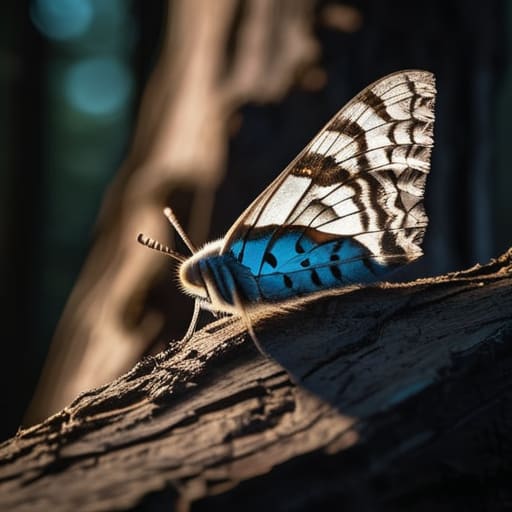
When the light starts to fail on a ridge, your eyes stop seeing colors and start seeing shapes. This is where most people trip up; they try to find that vibrant orange or deep blue that was there at midday, but by dusk, everything is just a series of grey and brown silhouettes. To master wing pattern recognition in these conditions, you have to stop looking for hue and start looking for contrast. Look for the way a dark line breaks up the edge of a wing, or how a specific spot catches the very last of the ambient light.
It is also the time when the distinction between nocturnal vs diurnal insects becomes more than just a textbook definition. If you are tracking movement in the gloaming, a butterfly will likely be tucking itself into a sheltered leaf to wait out the night, while a moth might just be starting to stir. If you see a sudden, erratic flutter in the shadows, don’t rely on color; look at the structural silhouette. A moth often has a heavier, more triangular profile compared to the more delicate, angular wings of a butterfly. If you can’t see the pattern, look at the way the light hits the texture of the scales.
Five things to look for when the light starts to fail
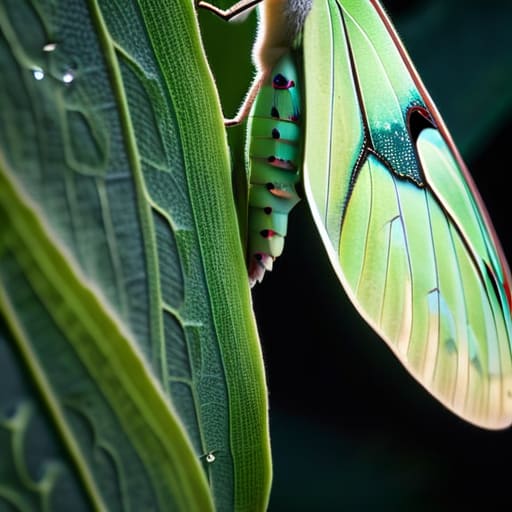
- Watch the resting posture, not just the color. Most butterflies want to keep their wings upright like a little tent, but many moths will lay them flat or even wrap them around their bodies to mimic a dead leaf. If you’re squinting in the twilight, that silhouette tells you more than a faded orange pattern ever will.
- Pay attention to the antennae. It’s a quick way to tell who is who when you’re tired; butterflies usually have those thin, clubbed ends, whereas moths tend towards feathery or simple tapered filaments. I’ve spent many an evening in the heather trying to distinguish the two by feel when the visibility dropped below ten meters.
- Don’t ignore the flight pattern. Butterflies tend to be erratic, fluttering with a certain lightness, while many moths have a heavier, more purposeful, or even a frantic way of moving through the undergrowth. If it’s zig-zagging low to the ground in the dusk, you’re likely looking at a moth.
- Check the body thickness. If you can get close enough without spooking them, a moth’s body is almost always sturdier and more “furry” than a butterfly’s. That extra fuzz is thermal insulation, and it’s a dead giveaway for species that are active when the temperature starts to plummet.
- Use your surroundings as a baseline. Instead of just staring at the insect, look at where it’s sitting. A moth on a lichen-covered rock or a piece of bark is often using camouflage that is far more sophisticated than any field guide description. If the pattern matches the substrate perfectly, you’re looking at a specialist, not a generalist.
The danger of the pretty pattern
If you’re relying solely on a bright color to tell a moth from a butterfly while the light is failing on a ridge, you’ve already lost the plot; you need to look at the way they hold their wings and how they move, because misidentifying what’s fluttering in your torchlight is the difference between a quiet observation and a sudden, frantic scramble in the dark.
Bridget Halloran
Don't let the details slip
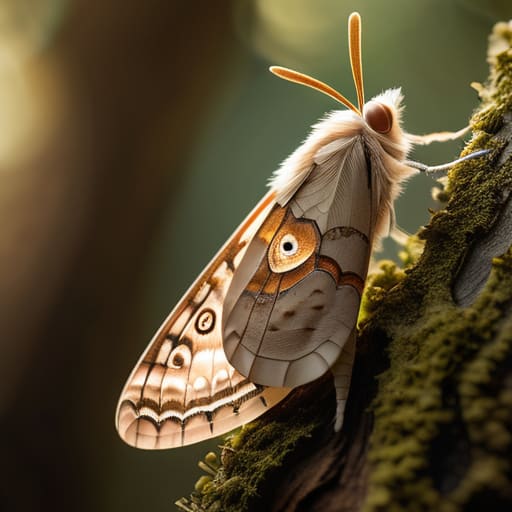
At the end of the day, identifying these creatures isn’t about memorizing a dry textbook; it’s about training your eyes to see the subtle shifts in wing shape, the specific way a moth rests against bark, and the tell-tale patterns that emerge just as the light starts to fail. You have to look past the initial flash of color and focus on the structural nuances that separate a common species from something rarer. Remember that your identification is only as good as your observation. If you aren’t sure, don’t force a guess—note the habitat, the time of day, and the flight pattern. In my twenty-two years outdoors, I’ve learned that precision matters more than speed, whether you are recording a sighting for a log or simply trying to understand the life moving around your boots.
There is a quiet sort of magic in being able to name the tiny lives passing through your campsite in the twilight. It turns a simple walk into a much deeper conversation with the landscape. When you stop seeing “just a bug” and start seeing a specific moth with a specific role to play in this ecosystem, the hills feel a little less empty. Stay observant, keep your eyes peeled even when the weather turns, and never stop looking at the small things. The landscape has a lot to say if you are willing to sit still long enough to listen.
Frequently Asked Questions
How do I tell the difference between a moth and a butterfly if I'm out on a ridge and the light is failing?
When the light fails on a ridge, stop looking for color; it’s useless. Look at how they hold themselves. Butterflies generally rest with their wings folded vertically over their backs, like a closed book. Moths tend to spread theirs flat or tent them up. More importantly, watch their movement. If it’s fluttering erratically, it’s likely a butterfly. If it’s heavy, purposeful, or even crawling, you’re looking at a moth.
Are there specific times of day or weather conditions when certain species are more likely to show themselves?
Timing is everything. If you’re looking for butterflies, you’re hunting the midday sun; they need that thermal lift and warmth to move. But if you’re after moths, you’re looking at the transition. I’ve found the “blue hour”—that window just after sunset—is when the most activity happens before the light fails completely. On overcast, heavy days, most will stay tucked away. If the wind is gusting above fifteen knots, don’t bother; they won’t be out.
If I spot a pattern I don't recognize, what's the most reliable way to check it without carrying a heavy, multi-page field guide?
Leave the heavy books in the car. If you see a pattern that doesn’t click, don’t waste the dwindling light squinting at a page. Use a lightweight, offline identification app on your phone—I’ve used Merlin and Seek for three seasons now in wind and rain, and they’re reliable if you have the battery. But honestly? Take a quick, clear photo. You can cross-reference it when you’re back at the tent and the temperature has dropped.