I spent three years in the Cairngorms before I realized that most people treat optics like they’re buying a luxury watch rather than a tool for survival and observation. I’ve watched too many hikers lugging around five-figure glass that they can’t even focus properly, or worse, getting frustrated because they think they need more magnification to see a buzzard on a crag. The truth is, knowing how to use binoculars effectively isn’t about the price tag or the brand name on the casing; it’s about understanding the light, your own stability, and when to stop squinting at a blurry smudge. If you’re waiting for a massive zoom to do the work for you, you’re going to miss the actual moment the bird takes flight.
I’m not here to sell you on the latest marketing hype or tell you that a specific lens will change your life. Instead, I’m going to give you the practical, unvarnished reality of what actually works when the wind is hitting sixty knots and the light is failing. I’ll cover the mechanics of focus and field of view, but more importantly, I’ll tell you how to integrate them into your kit without adding unnecessary weight to your pack. This is about technique and timing, not gear fetishism.
Table of Contents
- Mastering Eye Relief Adjustment Before the Light Fails
- Finding Your Field of View Optimization in Shifting Weather
- Five things to remember when your eyes are tired and the light is dropping
- ## Stop staring at the glass and start looking through it
- Don't let the gear dictate the day
- Frequently Asked Questions
Mastering Eye Relief Adjustment Before the Light Fails
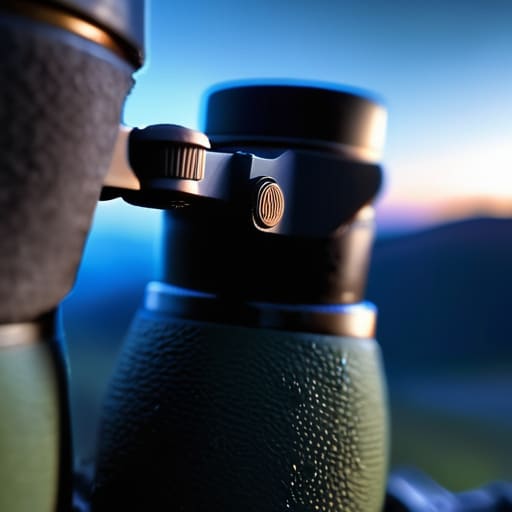
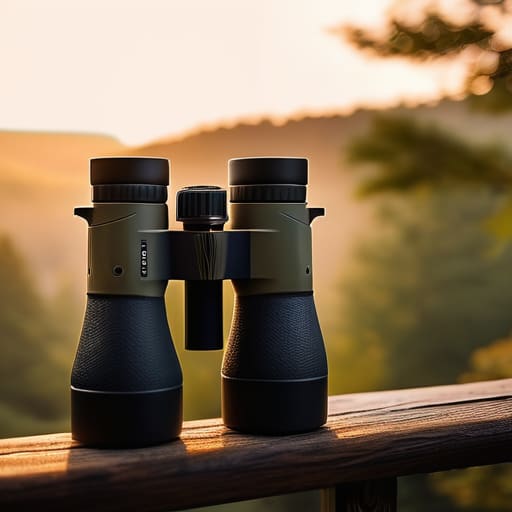
Most people wait until they’ve spotted a Merlin or a Peregrine to start fiddling with their gear, but by then, the bird has usually moved on. I’ve spent more nights than I can count trying to find a target in the gloaming, only to realize I’ve been fighting my own equipment the whole time. The secret isn’t in the glass itself, but in the eye relief adjustment. If you aren’t getting a full, circular view, you’re likely wasting precious seconds squinting through a tunnel of darkness. I’ve used my current 8x42s through three seasons of heavy mist and biting wind on the Cuillin, and if those eyecups aren’t set perfectly for my glasses—or tucked in tight if I’m not wearing them—the image is useless.
You need to achieve proper eye alignment before the light starts to dip. I always tell my clients to settle into their stance and adjust the cups until the edges of the view disappear. If you’re struggling with a narrow window, you aren’t seeing the whole picture, and you’re definitely not maximizing your field of view optimization. Get it right while you still have decent light, or you’ll spend the twilight hours staring at nothing but blur.
Finding Your Field of View Optimization in Shifting Weather
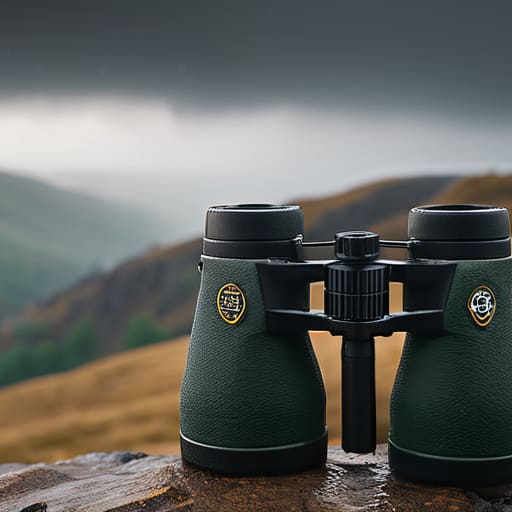
When the weather turns, your priorities shift from scanning for a specific bird to simply trying to keep your bearings. I’ve spent many afternoons on the high ridges where the wind is gusting at 40 knots and the rain is coming in sideways; in those moments, a wide field of view becomes more important than sheer magnification. If you are trying to track a movement through thick mist or heavy rain, you need to prioritize field of view optimization over high power. A 10x magnification might look good on a spec sheet, but if the wind is shaking your hands, that extra zoom just turns a clear image into a blurry mess.
I’ve found that when the visibility drops, dropping down to an 8x magnification is often the smartest move for minimizing image shake. It gives you a wider context of the landscape, which helps you stay oriented when the clouds descend. I used my old Nikon Monarchs for three seasons in the Cairngorms, often in driving sleet, and I learned quickly that trying to force a high-power view in a gale is a recipe for eye strain and frustration. If you can’t see the whole picture, you’re just staring at a grey smudge.
Five things to remember when your eyes are tired and the light is dropping
- Stop trying to hunt for everything at once. I’ve spent too many afternoons watching people scan the horizon like they’re looking for a lost car in a car park; you’ll miss the movement. Pick a specific patch of scrub or a particular ledge on a crag, fix your eyes there, and wait. The bird will show itself to you if you stop chasing it.
- Learn the difference between your “scanning” glass and your “spotting” glass. I’ve carried a pair of 10x42s for six years through everything from the Lake District to the Cairngorms, and they are my daily workhorses because they balance magnification with a stable image. If you’re trying to use high-power, heavy binoculars while standing on a wind-scoured ridge, you’re just going to give yourself a headache and a shaky view.
- Keep your lenses clean, but don’t be a hero with your shirt hem. I’ve seen too many people wipe grit and silt across their coatings with a muddy fleece, which is a quick way to ruin a three-hundred-pound investment. Keep a dedicated microfibre cloth in a sealed zip-lock bag in your kit; it stays dry, it stays clean, and it actually works when the mist starts rolling in.
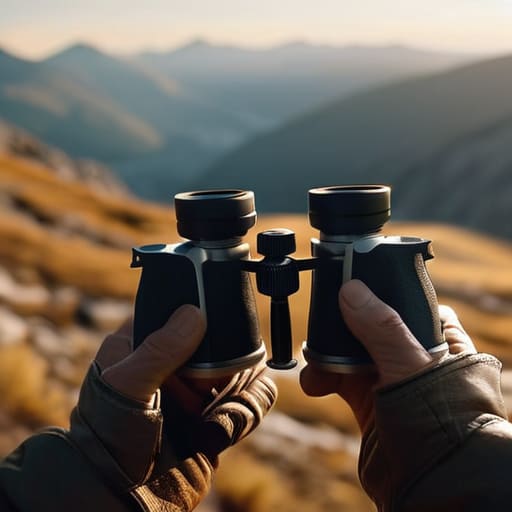
- Use your hands as a tripod when the wind picks up. When I’m trying to track a peregrine in a gusty downdraft, I don’t just hold them out in front of my face. I tuck my elbows tight against my ribs and press the binoculars against my brow. It’s a small bit of stability, but when you’re shivering or the wind is hitting forty knots, it’s the difference between seeing a bird and seeing a blur.
- Don’t trust your eyes when you’re exhausted. When I’m at the end of a twelve-hour day and the light is failing, my depth perception goes to hell. If you think you’ve spotted something on a distant ridge, check it twice. Fatigue makes you see movement in the shadows that isn’t there, and there’s no point in wasting your remaining daylight chasing ghosts.
## Stop staring at the glass and start looking through it
I’ve spent twenty years watching people freeze up when they see a movement on a ridge, fumbling with their focus rings while the bird flies out of view; if you haven’t practiced finding that target in low light or wearing your thickest gloves, you aren’t really using binoculars, you’re just carrying an expensive weight that’s going to let you down when the weather turns.
Bridget Halloran
Don't let the gear dictate the day
At the end of the day, effective binocular use comes down to being proactive rather than reactive. If you’ve adjusted your eye relief for the light, mastered your field of view for the terrain, and—most importantly—accounted for the weight in your pack before you even left the trailhead, you aren’t just looking through glass; you’re actually seeing the landscape. I’ve spent twenty years watching people struggle with gear they haven’t mastered because they were too busy trying to keep up with a schedule. Remember that technical proficiency is what allows you to stay focused on the bird or the ridge, rather than fighting with your equipment when the wind starts to pick up. If you aren’t comfortable with your setup before the weather turns, you’ve already lost the battle.
Ultimately, these tools are just a way to bridge the gap between you and the wilder parts of the world. I’ve spent many long, cold afternoons sitting on a scree slope, waiting for a single moment of movement that makes the heavy kit and the wet layers worth it. Whether you’re tracking a peregrine or just watching the way the light hits a distant peak, the goal is to be present in the moment, not distracted by your kit. Use your gear well, respect the limits of the light, and remember that the best view is the one you’re actually prepared to see.
Frequently Asked Questions
How do I choose between higher magnification and a wider field of view when the mist is rolling in on a ridge?
When the mist starts swallowing the ridge, you drop the magnification immediately. I’ve spent fifteen years watching people struggle with 10x glass in heavy fog, trying to find a specific bird that isn’t there, only to realize they’ve lost their sense of scale and their orientation. Stick to 8x or even lower. You need that wider field of view to actually see the shapes moving in the grey, rather than just staring at a blurry, magnified wall of nothing.
Are heavy, high-end glass binoculars actually worth the extra weight in my pack if I'm doing a multi-day trek?
If you’re doing a multi-day trek, every gram matters, but so does your ability to actually see what you’re looking at when the light drops. I’ve carried the heavy 10×42 glass through three seasons of Lakeland mist and wind; they’re a lifeline when you’re trying to spot a peregrine in a grey sky. If you’re just walking, leave them. If you’re there to see the birds, the weight is worth the clarity.
What should I do if my lenses keep fogging up every time I move from a sheltered valley into the wind?
It’s usually a temperature shock. I’ve spent years watching people pull binoculars out of a warm jacket only to have them fog instantly when they hit a cold ridge. If you’re moving from a sheltered valley into a wind, don’t keep them tucked against your body. Let them acclimate. I’ve used the Nikon Monarch series for five years in damp, misty conditions, and even they struggle if you don’t let the glass reach ambient temperature first.