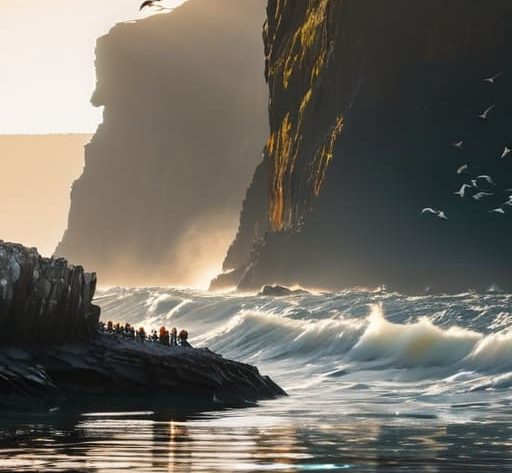
I spent three hours last Tuesday standing on a granite ledge in a gale that felt like it was trying to peel the skin off my face, all for a glimpse of a single fulmar. Most people think learning how to watch seabirds is about buying the most expensive, heavy-duty spotting scope on the market or trekking to some remote, inaccessible skerry. They think it’s a hobby for the patient and the well-funded. But if you’re just sitting there waiting for the birds to come to you, you’re going to end up cold, wet, and disappointed. Real birdwatching isn’t about the gear you own; it’s about understanding the relationship between the wind, the tide, and the sheer, stubborn persistence of the birds themselves.
I’m not here to sell you a lifestyle or a shiny new piece of kit I haven’t actually field-tested in a storm. Instead, I’m going to tell you the practical, unglamorous truth about how to watch seabirds without wasting your daylight or your dignity. I’ll cover the specific weather windows that actually matter, how to read the sea to predict where the feeding will happen, and the exact layering I’ve used for the last five seasons to stay functional while I wait. We’ll skip the fluff and focus on the details that actually put eyes on the birds.
Table of Contents
Mastering Binocular Settings for Sea Watching in High Winds
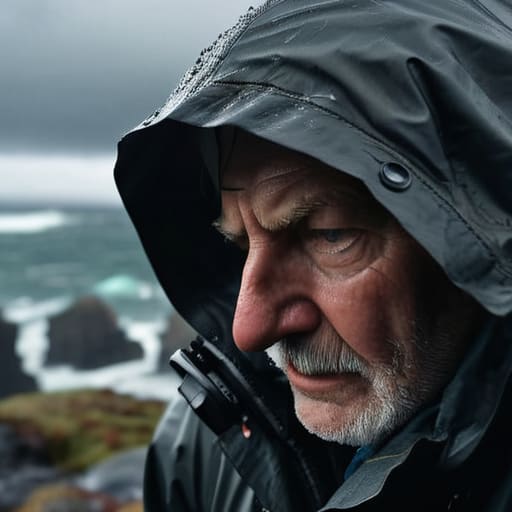
When the wind picks up on a headland, your biggest enemy isn’t the cold; it’s the vibration. I’ve spent more than fifteen years leaning into gusts just to keep my feet under me, and I can tell you that trying to steady a pair of binoculars when you’re shivering and buffeted by a gale is a losing battle. Most people make the mistake of trying to find a perfect focus while holding the glass out in front of them. If you want to actually succeed with binocular settings for sea watching in anything more than a light breeze, you have to bring the glass to your face, not your face to the glass. I always use a tight, two-handed grip, tucking my elbows hard against my ribs to create a makeshift tripod with my own body.
If you’re struggling to resolve a bird against a moving, white-capped swell, stop fiddling with the central focus wheel every two seconds. Instead, pre-set your focus to a distance that roughly matches the horizon line. I’ve used my 8×42 Sabins in North Atlantic spray for over three seasons now, and I’ve found that once you have that baseline distance set, you only need tiny, incremental adjustments to track a bird. It prevents that frantic, blurry searching that leads to nothing but frustration.
Identifying Marine Bird Species Before the Light Fails
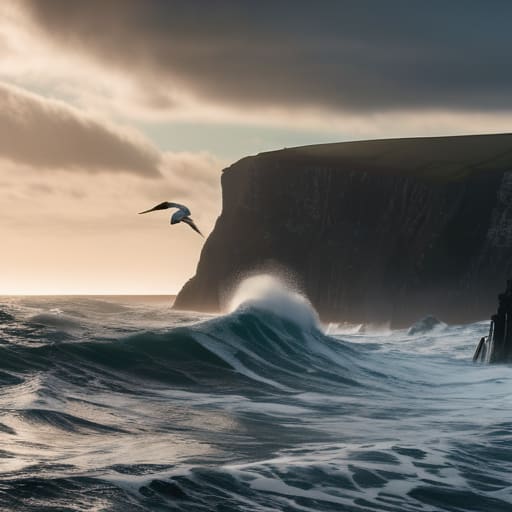
The problem with most people is that they wait until they see a distinct shape to start the mental process of identifying marine bird species. By then, the sun has usually dropped behind the cliff edge, the temperature has plummeted, and you’re squinting at a dark smudge against a grey sea. I’ve spent many evenings on the coast realizing I’ve missed the window because I was looking for a “picture” rather than reading the behavior. You need to look at the flight pattern first—the heavy, rhythmic wingbeats of a Gannet versus the frantic, erratic darting of a Tern. If you wait for the plumage to become clear, you’ve already lost the light.
When the light starts to fail, stop looking for color and start looking for silhouette and scale. In the twilight, a Razorbill looks nothing like a Guillemot if you aren’t paying attention to the way they sit on the water. I always tell my groups to focus on the “profile” before the details. If you are observing nesting seabird colonies during the dusk transition, focus on the movement of the birds returning to the ledge. The way they approach the rock tells you more than a fleeting glimpse of a wing stripe ever will.
The Unwritten Rules of the Cliff Edge

- Stop looking at the birds and start looking at the sky. If you’re focused on a puffin but you haven’t noticed the clouds bruising or the wind shifting direction, you aren’t birdwatching—you’re just waiting to get caught in a gale. I’ve seen too many people lose their focus on the weather because they were chasing a rare sighting, and that’s when the footing gets treacherous.
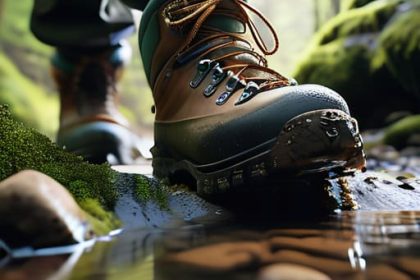
- Pack for the wind, not the sun. I’ve carried the same heavy-duty Gore-Tex shell for six years now, through countless Atlantic squalls, and it’s the only thing that keeps me from shivering while I’m waiting for a petrel to surface. If you’re wearing something light and “breathable” because the forecast said sunny, you’ll be freezing within twenty minutes of the sea spray hitting you.
- Learn to read the water’s surface, not just the birds. A patch of “boiling” water or a sudden change in the swell usually means something is moving underneath. I spent nine years as a ranger learning that the birds follow the food, so if you see the gulls suddenly banking or diving in a specific spot, stop looking for individual birds and start looking at where the energy is in the water.
- Bring a notebook that can handle moisture. I keep a raptor nest log that’s seen more rain than most people see in a decade, and I don’t trust a smartphone for serious observations. A digital screen is useless when it’s covered in salt spray or when your fingers are too numb to swipe, so use a waterproof field notebook and a pencil.
- Respect the “turn-back” threshold. There is a specific moment when the light starts to fail and the wind picks up—it’s a quiet, heavy feeling in the air. When that happens, the birdwatching session is over. I’ve spent twenty-two years outdoors, and the most important skill isn’t spotting a fulmar; it’s knowing when to pack the binoculars away and head for the shelter before the mountain decides you’re staying.
The Cost of Looking Too Long
Most people think watching seabirds is about having the best glass; it’s actually about knowing when to stop looking at the birds and start looking at the horizon, because the moment you get too absorbed in a Gannet dive is the exact moment the wind shifts and leaves you shivering on a ledge you can’t find your way off of.
Bridget Halloran
Respect the Coast, Watch the Sky
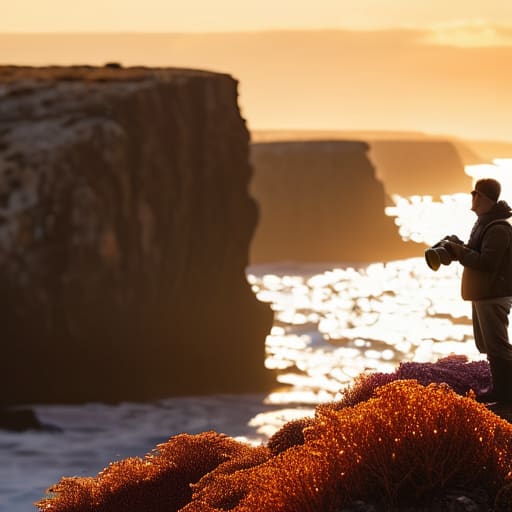
At the end of the day, watching seabirds is less about having the most expensive glass and more about anticipating the environment. You need to have your binocular settings dialed in before the gale hits, and you need to be able to tell a fulmar from a petrel even when the light is failing and your fingers are numb. Most importantly, you have to know when to pack it in. I’ve spent twenty years on these coasts, and I’ve learned that the best sightings happen when you aren’t fighting the wind or stumbling through the dark because you ignored the sunset. If you respect the timing of the light and the reality of the weather, the birds will show up.
There is a specific kind of quiet that settles over you when you finally spot a rare visitor cutting through the salt spray, far from the noise of the mainland. It’s a reminder that we are just visitors in their world, and they don’t care about our schedules or our comfort. If you approach the coast with a bit of patience and a lot of humility toward the elements, the rewards are immense. Don’t just go out to check a box on a species list; go out to see how they survive where we can barely stand. That is where the real connection happens.
Frequently Asked Questions
What’s the best way to stay warm and dry when I’m sitting still on a coastal cliff for hours?
The mistake people make is thinking a good shell is enough. It isn’t. Once you stop moving, your core temperature drops fast. I’ve sat for four hours on the Skelligs waiting for a puffin return, and I always use a heavy-duty down parka over my hardshell—not under it. I’ve used my Rab Neutrino for six seasons in varying Atlantic gales; it’s the only thing that stops the shivers when the wind cuts through you. Bring a waterproof seat pad, too. If you’re sitting on damp rock, you’re finished.
How do I know when the weather is actually turning too dangerous to stay out and watch?
You don’t wait for the storm to hit; you watch for the shifts that precede it. When the wind direction flips or that steady breeze turns gusty and erratic, pay attention. If the temperature drops sharply or the cloud base descends so low you can’t see the horizon, your window is closing. I’ve seen too many people lose their footing because they were too busy looking through lenses to notice the light dying and the air turning heavy.
Do I really need a heavy tripod, or is there a way to steady my view without carrying extra weight?
If you’re carrying a heavy tripod just to steady your view, you’re going to regret it by mile four. I’ve spent fifteen years lugging kit, and weight is the first thing that makes you make bad decisions. Instead, use your body. Lean your back against a solid rock or a windbreak, tuck your elbows tight against your ribs, and exhale slowly as you look through the glass. It’s not as stable as a tripod, but it’s lighter, and it keeps you moving.