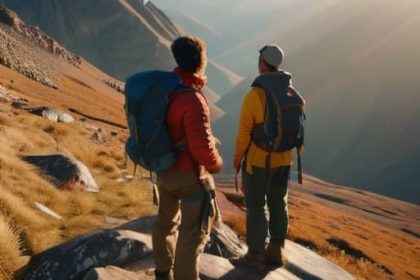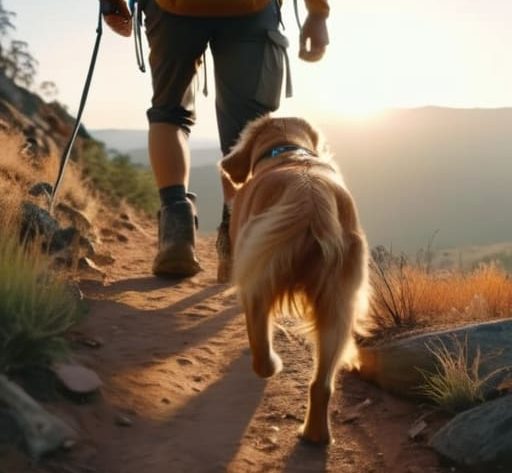
I was standing on a scree slope in the Lake District three years ago, watching a well-meaning hiker scramble to untangle a high-tech, retractable leash from a gorse bush while their Labrador barked frantically at a peregrine falcon. It was a mess of expensive gear and poor planning, the kind of moment that reminds me why most “advice” out there misses the mark. People will try to sell you a thousand-pound setup of specialized canine GPS collars and tactical vests, but a true complete guide to hiking with dogs isn’t about how much money you spend on the kit; it’s about understanding the unpredictable variables of the terrain and your dog’s specific limits.
I’m not here to repeat marketing fluff or tell you which brand of treats has the prettiest packaging. Instead, I’m going to give you the practical, hard-won reality of what it actually takes to move through the hills with a four-legged companion without ending up as a rescue call. I’ll cover the boring but vital stuff—like reading the weather for a dog’s sensitive paws and managing energy levels before the light fails—because preparedness is the difference between a great day out and a very long, very cold walk back to the car.
Table of Contents
Essential Dog Hiking Gear Essentials for Unpredictable Conditions
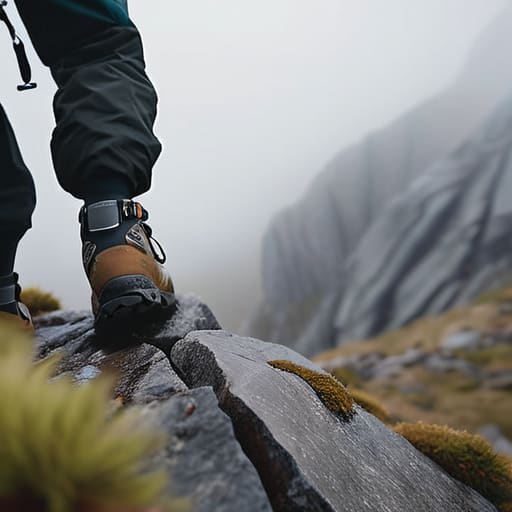
When people ask me about dog hiking gear essentials, they usually start with the flashy stuff—GPS collars or high-tech harnesses. I tell them to start with the basics that actually manage risk. I’ve spent twenty years watching well-meaning owners realize too late that a standard nylon leash isn’t enough when a sudden gust hits a ridge or a sheep starts moving. I’ve used the Ruffwear Web Master harness for every one of my multi-day treks over the last four years, even in soaking wet, freezing conditions, and it’s the only thing I trust to give me control when a dog lunges at a passing raptor or a sudden distraction.
Beyond the harness, you need to focus on preventing paw injuries before they become a crisis. I never leave the house without a small tin of wax and a lightweight bandage roll; I’ve seen enough torn pads from sharp scree to know that a minor scrape on a sunny morning becomes a mobility nightmare by dusk. Don’t forget water, either. I carry a collapsible silicone bowl—I’ve used it daily for three seasons—because canine hydration tips aren’t useful if you’re already five miles from the nearest stream and your dog is flagging.
Mastering Trail Safety for Pets Before the Weather Turns
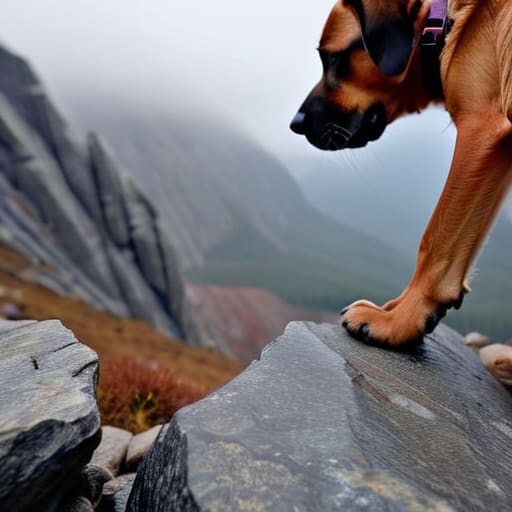
Safety isn’t something you can improvise when the mist starts swallowing the ridge line. I’ve spent too many afternoons watching a group realize, far too late, that their dog is panting heavily not from excitement, but from heat stress. Effective trail safety for pets starts with a baseline assessment of your dog’s fitness and the specific terrain. If you are moving through scree or sharp granite, you need to be proactive about preventing paw injuries before the first mile is even finished. I always carry a small tin of wax and a set of boots I’ve used for three seasons of heavy mountain work; if the ground looks unforgiving, don’t wait for them to limp to take action.
You also need to manage the psychology of the hike. I’ve found that hiking with dogs on leashes is often safer on technical sections, but you have to be mindful of the tension; a sudden pull from a dog on a narrow ledge is a recipe for a bad decision. Keep a close eye on their water intake, too. I use a lightweight collapsible bowl that I’ve carried through every wet, freezing trek since 2016, and I never skip a hydration check, even when the air feels damp.
Five Hard Lessons from the Ridge: Managing Your Dog When Things Get Real
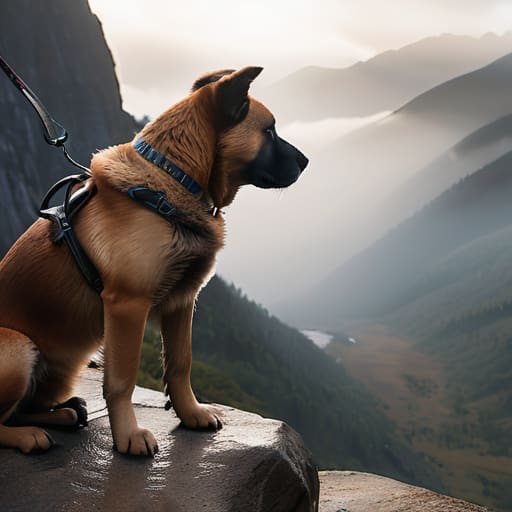
- Respect the leash laws, but more importantly, respect the distance. I’ve spent too many afternoons watching a perfectly fine walk turn into a crisis because a dog bolted toward a nesting pair of peregrines or a sheep. If you aren’t using a long-line, you aren’t in control; and if you aren’t in control, you’re one sudden movement away from a broken leash or a very expensive fine.
- Watch the paws, not just the person. I’ve used the Ruffwear Paw Protector boots for three seasons now, mostly on scree slopes and through wet heather, and they’ve saved at least two clients’ dogs from sliced pads. If you’re heading into sharp volcanic rock or through thick, abrasive bracken, don’t just hope for the best—bring boots or at least a heavy-duty antiseptic wipe.
- The “Turn Back” threshold is lower for dogs than it is for you. You might have the lung capacity to push through a sudden drop in temperature or a biting wind, but a dog’s thermal regulation is different. If I see a dog starting to shiver or if they’re lagging behind by more than a few paces, the hike is over. It doesn’t matter if we’re only 200 meters from the summit.
- Hydration isn’t just about carrying a bowl. I carry a lightweight collapsible silicone bowl that I’ve used on every multi-day trek for the last four years; it weighs next to nothing and survives being crushed in the bottom of a pack. Don’t rely on finding a stream, because a stream can be a bog, a seasonal trickle, or worse, contaminated with runoff.
- Learn to read the “dog language” of fatigue. Most people miss the subtle signs—the slight drooping of the tail, the extra pause before a steep ascent, or the way they start sniffing the ground more than usual. These aren’t just “quirks”; they are early indicators that the dog’s energy reserves are hitting zero. By the time they actually stop walking, you’ve already waited too long to head back.
The Cost of Optimism
“I’ve seen more trouble on a trail caused by a dog’s enthusiasm than by any actual storm; you can prepare for the rain, but you have to prepare for the moment that wagging tail decides a steep, slippery scree slope is a good place for a sprint.”
Bridget Halloran
The Reality of the Ridge
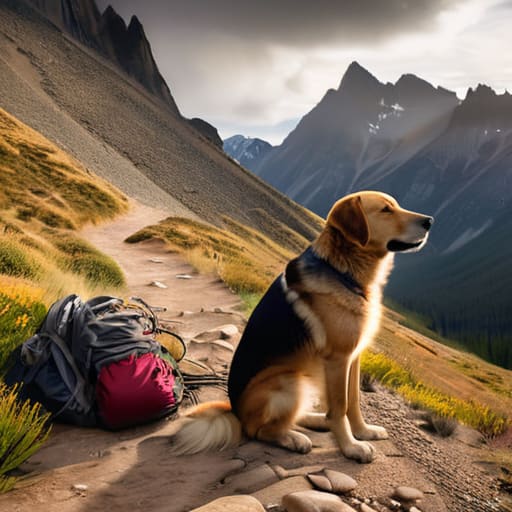
At the end of the day, hiking with a dog isn’t about finding the most scenic view or the most Instagrammable trail; it is about managing the variables that you cannot control. We have talked about the right gear, the necessity of water, and the importance of reading the clouds before they turn heavy. If you remember nothing else, remember that your dog cannot tell you when they are reaching their limit or when the temperature is dropping too fast for their coat to handle. Success on the trail is measured by the quiet, boring decisions—the decision to turn back at the trailhead because the wind has picked up, or the choice to shorten a loop because your dog’s pads are looking worn. It is about being the person who anticipates the problem before it becomes an emergency.
There is a specific kind of magic in a long, slow walk when the weather holds and your dog is moving in perfect rhythm with your stride. It is a partnership built on trust and, more importantly, on your ability to keep them safe. The mountains are indifferent to our plans, but if you respect the terrain and listen to what the environment is telling you, those miles will become the foundation of a lifetime of adventures. Don’t chase the summit at the expense of the safety of your companion; instead, respect the gap between a good day and a dangerous one, and you will find that the best adventures are the ones where everyone makes it home for dinner.
Frequently Asked Questions
How do I know when my dog is actually too cold or exhausted before they start showing obvious signs of distress?
Watch for the subtle shifts. It’s rarely a sudden collapse; it’s a slow drift. Look for a change in their gait—if that usual springy trot turns into a heavy, rhythmic plod, they’re flagging. Watch their ears; if they stop scanning the environment and just hang, they’re mentally spent. If they’re shivering while still moving, or if they start lagging several paces behind your heel, the decision is made. Turn back. Now.
What are the specific rules regarding dogs and nesting birds when I'm traversing sensitive areas of the National Park?
The short answer is: keep them on a lead. I’ve spent years logging raptor nests, and I’ve seen too many “off-lead” dogs trigger a nesting failure just by chasing a scent near a ledge. In sensitive areas, the rules are usually strict—stay on marked paths and keep that lead on. It’s not about being a nuisance; it’s about preventing a single moment of canine instinct from ruining a breeding season.
How much extra weight should I realistically be carrying in my own pack to account for an injured or tired dog?
You need to account for at least 5 to 7 kilograms of extra weight. That’s not just the dog; it’s the extra water, the heavy-duty stretcher kit, and the high-calorie recovery food you shouldn’t have been skimping on in the first place. I’ve carried a 12kg terrier through a gale on the Cairngorms after he sliced a pad on a granite slab; if your pack isn’t rated for that sudden, heavy shift, you’ll be the next casualty.