I once watched a group of hikers spend three hours debating which high-tech, lightweight titanium stove was worth the extra fifty quid, only to spend the rest of the night shivering because they’d forgotten that a windbreak is more important than a fancy burner. Most people think a complete guide to camping needs to be a glossy catalogue of the latest gear trends and expensive gadgets, but that’s a lie that gets people cold, wet, and miserable. You don’t need a thousand pounds of kit to have a successful night under the stars; you need to understand how to read a ridge and why your choice of socks matters more than your brand of tent.
I’m not here to sell you a lifestyle or repeat a marketing brochure. My promise to you is much simpler: I will give you the unvarnished truth about what actually works when the temperature drops and the rain starts coming sideways. I’ll tell you the exact weight of my kit, how many seasons I’ve put it through, and—more importantly—exactly when I decided to pack it away and head for the car. This isn’t about gear lust; it’s about staying comfortable and safe in an environment that doesn’t care about your enthusiasm.
Table of Contents
An Essential Camping Gear Checklist That Actually Works
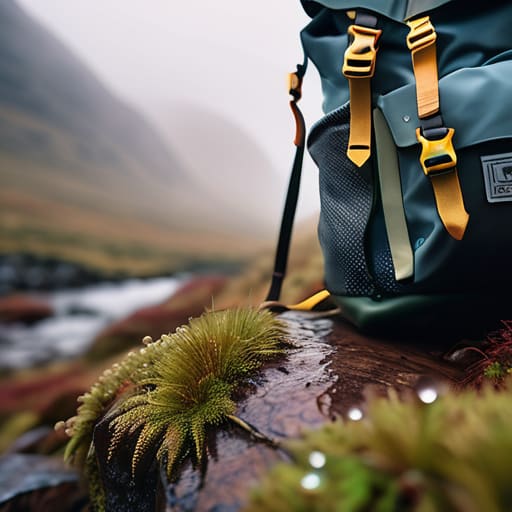
Most people approach an essential camping gear checklist by looking at what looks good in a glossy catalog. That is a mistake. I build my kits based on the reality of weight and the inevitability of moisture. For example, I’ve used my Osprey Exos 58 pack for over four years, through three seasons of heavy Lakeland rain and several trips into the Cairngorms. It’s light, but more importantly, it carries a load without making you feel like you’re fighting your own back on a steep ascent. If your gear feels like a burden before you’ve even reached the trailhead, you’ve already lost the battle against fatigue.
When it comes to shelter, don’t get distracted by fancy features. I’ve spent fourteen nights this year in the Terra Nova F1, testing it in winds that would make most people head for the car. It’s small, and you have to be disciplined about your tent setup techniques to ensure you aren’t sleeping on a slope, but it holds. Beyond the big items, remember that wilderness safety precautions start with the small stuff: a reliable headlamp, a way to dry your socks, and a first aid kit that actually contains what you need, not just three band-aids and a prayer.
Tent Setup Techniques for When the Wind Starts Howling
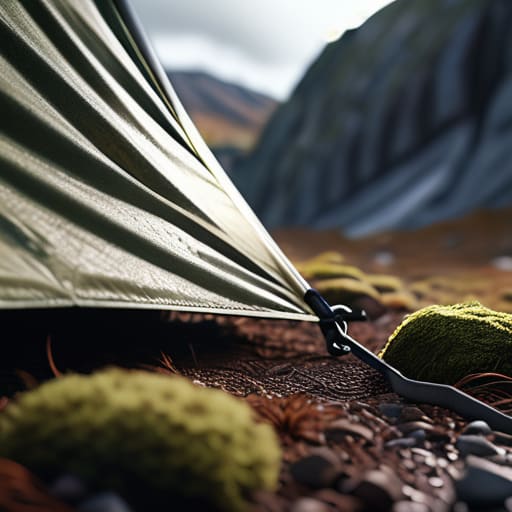
There is a specific kind of silence that happens right before a gale hits—a heavy, expectant stillness that should tell you to move, not just sit there. I’ve spent many a night in a flapping nylon coffin because I chose a site based on a view rather than the topography. When the wind picks up, your priority isn’t comfort; it’s structural integrity. I always look for a natural windbreak, like a thicket of scrub or a large boulder, but never pitch directly under a dead tree. Even in a sheltered hollow, you need to orient your tent so the narrowest profile faces the wind. If you’re using a tunnel tent, that’s your lifeline, but you have to drive those pegs in at a precise angle to prevent them from wiggling free as the fabric vibrates.
Don’t rely solely on the guy lines that come in the box. I’ve used my Hilleberg Akto in sustained 40mph gusts for over five seasons, and the difference between a stable night and a collapsed flysheet usually comes down to how you tension the perimeter. Use heavy stones or even your spare boots to weigh down the corners if the ground is too soft for pegs. Mastering these tent setup techniques is a fundamental part of your broader wilderness safety precautions; it’s the difference between sleeping and spending the night shivering in a tangled mess of poles.
Five Decisions That Separate a Good Trip from a Long Night
- Respect the daylight window, not the clock. I’ve seen too many groups push for one last ridge or one more mile because the map said they had time, only to find themselves fumbling with tent pegs in the pitch black. If the sun is dropping and you aren’t at your site, stop. The mountain doesn’t care about your itinerary.
- Layer for the summit, not the trailhead. I’ve spent twenty-two years watching people hike in heavy fleece only to arrive at their campsite drenched in sweat, which is the fastest way to get hypothermia when the temperature drops at dusk. Use a moisture-wicking base layer—I’ve worn my merino wool blends through three seasons of heavy rain and they still hold up—and always carry a dry spare set that never leaves your sleeping bag.
- Master your stove before you’re hungry and cold. Don’t wait until you’re shivering in a gale to figure out how your fuel canister connects or how to prime your burner. I’ve used the MSR PocketRocket series for over five years in everything from summer heat to sub-zero wind, and it’s reliable, but you need to know how it behaves when the wind is trying to blow your dinner into the next valley.
- Check the forecast, then check it again for the specific elevation. A “sunny” forecast for the valley floor means absolutely nothing when you’re standing on a ridge at 800 metres. I always look at the wind speeds at higher altitudes; a 10mph breeze in the village is a 40mph howl on the plateau, and that is the difference between a comfortable night and a broken tent pole.
- Manage your waste like your life depends on it. As a former ranger, this is the part I get most obsessive about. It isn’t just about being polite; it’s about the ecosystem. If you’re camping in sensitive areas, know exactly where your waste is going before you pitch. I’ve spent far too many mornings counting nesting birds only to find a campsite has been left in a state that makes their survival harder.
The Cost of Optimism
A complete guide to camping isn’t about the list of things you pack; it’s about the list of things you’re willing to leave behind when the clouds drop and the wind shifts, because the difference between a good trip and a dangerous one is usually just one person deciding they can outrun a weather front.
Bridget Halloran
The Reality of the Ridge
At the end of the day, camping isn’t about how much expensive titanium you can cram into your pack, but about how well you understand the relationship between your gear and the environment. We’ve covered the essentials: having a kit list that accounts for actual weight, knowing how to secure a tent when the wind starts ripping across the plateau, and understanding that your layers are your primary defense against the temperature drop. If you get the basics right—the shelter, the warmth, and the food—you’ve already won half the battle. But remember, even the best gear is just a tool; it won’t save you if you ignore a deteriorating forecast or fail to respect the diminishing daylight.
There is a specific kind of quiet that you only find when the stove is simmering and the wind has finally died down behind a lee side. It’s a hard-earned peace, one that comes only after you’ve made the right calls and respected the mountain. Don’t let the technicalities or the fear of a bit of rain keep you indoors. The outdoors is a demanding teacher, but if you approach it with humility and preparation, it offers rewards that no city view can match. Just keep your eyes on the horizon, watch your clock, and never underestimate the gap between a sunny afternoon and a mountain night.
Frequently Asked Questions
How do I know when a weather forecast is actually telling me to turn back instead of just packing an extra layer?
You look for the gap between the forecast and the reality on the ridge. If the wind speed is increasing while the temperature is dropping, that’s not a “layering” issue; that’s a sign the system is moving in faster than predicted. If you’re losing daylight faster than you’re gaining ground, or if the cloud base is dropping so low you’ve lost your landmarks, you turn back. Don’t let optimism override your eyes.
What is the realistic weight penalty for carrying more robust gear versus the risk of being under-prepared in changing conditions?
I’ve spent twenty-two years watching people trade weight for comfort, only to realize too late they should have traded comfort for survival. A 1.5kg weight penalty for a sturdier, four-season tent and a heavier mid-layer isn’t “extra weight”—it’s your insurance policy. I’ve sat in a damp, collapsed single-wall tent at 3 a.m. in a Lakeland gale, and let me tell you: that extra kilogram feels a lot lighter than the crushing weight of hypothermia.
How can I balance wanting to see more wildlife with the need to minimize my impact on sensitive nesting areas?
It’s a fine line. I’ve spent years logging raptor nests, and I can tell you that a bird’s presence is fragile. If you see a bird of prey circling a specific crag, don’t linger there to get the perfect photo. That curiosity is exactly what causes nest abandonment. Stick to established paths, keep your distance, and if the terrain looks disturbed, move on. The best way to see wildlife is to be a ghost.