I was crouched in a patch of gorse three years ago, my knees aching and my fingers numb from a biting Atlantic wind, waiting for a pair of Peregrine falcons to return to their ledge. Most people think a complete guide to wildlife watching involves buying a five-thousand-pound lens and a tripod that weighs more than a small child. They think it’s about the gear, the settings, and the perfect shot. But after twenty-two years of tracking raptors and counting nesting birds in conditions that would make most people run for the car, I can tell you that patience and positioning will get you further than any piece of glass ever could.
I’m not here to sell you on the latest high-tech gadgets or the glossy, idealized version of nature you see in magazines. This is going to be a different kind of guide. I’ll tell you what actually works when the light is failing and the rain is turning everything grey, and I’ll tell you which bits of kit are just expensive distractions. My goal is to give you the practical, unvarnished truth about how to actually see something incredible without becoming part of the problem.
Table of Contents
Binocular Selection for Birdwatching and Beyond
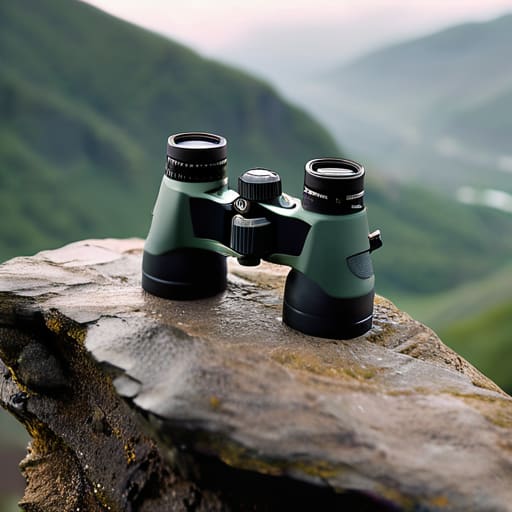
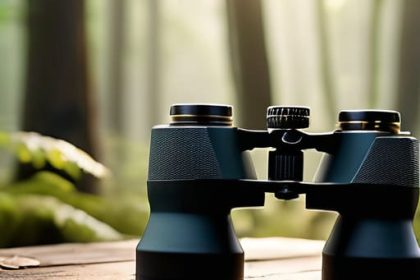
Most people walk into a shop and buy the first pair of binoculars that look expensive, only to realize three miles up a scree slope that they’ve essentially strapped two heavy bricks around their necks. If you’re serious about binocular selection for birdwatching, you need to stop looking at the magnification number first. A 10x magnification sounds impressive on a box, but once you’re standing in a gusty ridge-line wind trying to track a peregrine, that extra zoom just makes the image dance uncontrollably. I’ve spent the last six years using the Nikon Monarch M7s in everything from damp, misty valleys to high-altitude winds; they weigh 575g and have held their seal through dozens of downpours without a hint of internal fogging.
For me, the real test isn’t just clarity, but how they handle the transition from light to shadow. If you want to master animal behavior identification, you need to see the subtle twitch of a wing or the shift in a predator’s posture before it moves. I’ve tested several mid-range models over the last three seasons, and I’ve learned that weight is the silent killer of a long day. If they aren’t comfortable enough to hang around your neck for six hours of slow-paced habitat tracking, you simply won’t use them.
Observing Animals in the Wild Without Being Seen
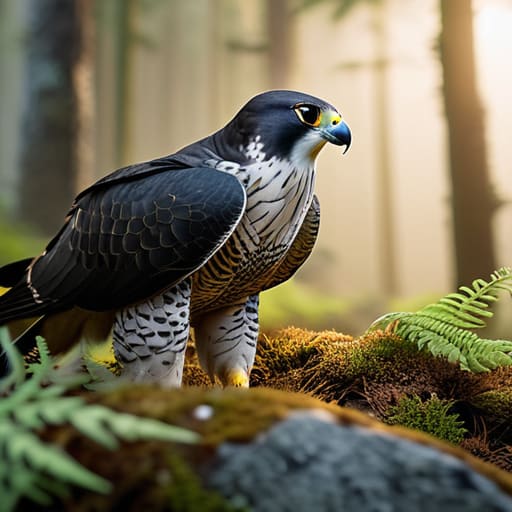
The biggest mistake I see people make isn’t a lack of expensive glass; it’s the belief that they are invisible. You can have the best binocular selection for birdwatching in your kit, but if you’re crunching through dry bracken or wearing a bright red technical shell, you’ve already lost the game. Most of the time, observing animals in the wild is less about the moment of contact and more about the hour of quiet approach beforehand. I’ve spent many a morning sitting motionless in a damp hollow, waiting for a peregrine to return to a ledge, and the lesson is always the same: movement is what breaks the spell.
If you want to actually see something, you have to learn to read the landscape rather than just walking through it. This means understanding animal behavior identification—knowing that a sudden silence in the scrub or a specific flight pattern isn’t just coincidence, but a signal. I always tell my groups to focus on the wind; if you’re walking into the breeze, you’re announcing your arrival to every nose in the valley. It’s about being a ghost in the environment, not a visitor.
The Small Things That Keep You in the Field (and Out of the Rescue Log)
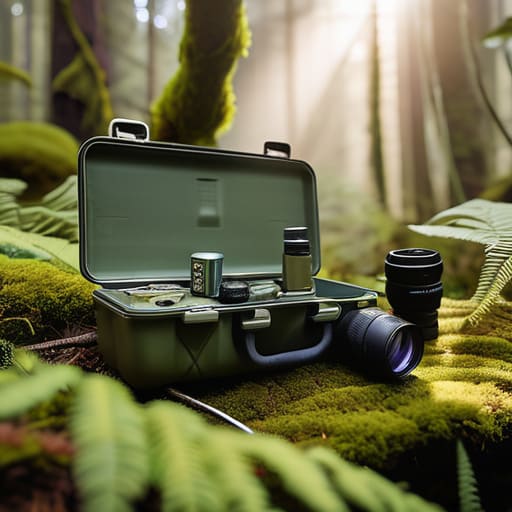
- Learn to read the weather, not just the forecast. A ‘sunny interval’ on a mountain forecast is a vague promise that usually vanishes the moment you hit a ridge; if you want to watch wildlife, you need to know when that wind is going to shift and turn your observation session into a fight against hypothermia.
- Master the art of the ‘quiet exit’. I’ve spent years watching people stumble through undergrowth or snap dry twigs while trying to get a better angle on a nesting pair; the best wildlife watching happens when you move with intention and stop making noise long before you think you’ve reached the animal.
- Invest in layers, not just ‘waterproofs’. I’ve used my Rab InReach and various layering systems for over a decade in everything from damp valleys to freezing summits, and the lesson is always the same: if you wait until you’re shivering to put on your mid-layer, you’ve already lost the ability to sit still and observe.
- Respect the nesting boundaries. I keep a raptor nest log for a reason, and part of that job is knowing when to walk away; if you see an animal behaving erratically or looking directly at you, you aren’t ‘observing’ anymore, you’re disturbing, and it’s time to turn back.
- Pack for the light you won’t have. Most people plan their wildlife watching for the bright midday sun, but the real action happens in the low light of dawn or dusk; if you aren’t carrying a reliable headlamp and extra batteries, you’re going to find yourself navigating a descent in the dark with nothing but optimism.
The Cost of Being Too Loud
You can have the most expensive glass in your pack, but if you haven’t learned to read the wind or how to sit still when the temperature drops, you aren’t watching wildlife—you’re just trespassing on their afternoon.
Bridget Halloran
The Long Game
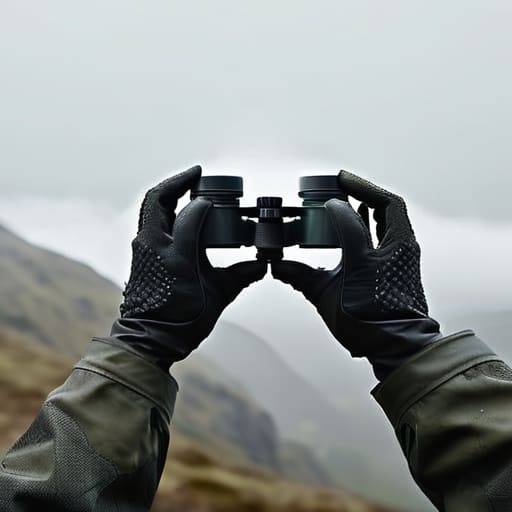
At the end of the day, wildlife watching isn’t about the trophy shot or ticking a rare species off a list; it’s about the preparation that happens before you even leave the car. It’s about having the right glass so you aren’t squinting when a buzzard finally appears, and more importantly, it’s about having the patience to stay still when the wind picks up and your toes start to go numb. If you’ve sorted your gear, mastered your camouflage, and—most crucially—learned how to read the landscape rather than just looking at it, you’re already ahead of most. Don’t let a bit of mist or a heavy pack stop you, but never let a bit of sunshine make you forgetful about the reality of the terrain.
There is a specific kind of quiet that settles over you when you finally see something truly wild, unbothered by your presence. It’s a reward for the hours of walking, the damp layers, and the disciplined waiting. I’ve spent twenty-two years looking for these moments, and I can tell you that the best ones usually happen when you stop trying to force the encounter and simply make yourself part of the scenery. Respect the animal, respect the weather, and trust the process. The wild isn’t going anywhere; it’s just waiting for you to show up prepared.
Frequently Asked Questions
How do I know if a weather forecast is actually safe for a long day of birdwatching on an exposed ridge?
Don’t look at the icons; look at the wind speed and the pressure trends. If that forecast shows gusts hitting 35mph on an exposed ridge, you aren’t birdwatching—you’re fighting to stay upright. I’ve seen too many people get caught out because they ignored a “slight chance” of rain that turned into a horizontal deluge. If the pressure is dropping fast, turn back. The birds will still be there tomorrow; your safety won’t be.
What's the best way to layer my clothing so I don't overheat while waiting for a raptor to appear?
The trick is staying ahead of your own body heat. I’ve spent six hours sitting in a damp hollow waiting for a peregrine, and if you layer for the peak of the action, you’ll be sweating before the bird even shows. Start with a thin, moisture-wicking base—never cotton. Add a mid-layer you can strip off easily. I use a 120g fleece I’ve worn through three seasons of Highland mist; it breathes well when you’re moving but holds heat when you’re still.
How do I manage my kit weight so I'm not carrying unnecessary gear, but still have enough to stay warm when the sun goes down?
The mistake is packing for the temperature you feel at noon. I’ve spent fifteen years watching people freeze because they swapped a heavy fleece for a lightweight windbreaker to save 300 grams.