I was up on a ridge in the Cairngorms last Tuesday, watching a pair of peregrines circle a scree slope, when I realized how much noise people make about “saving the planet” without actually looking at the ground beneath their boots. You see these massive, expensive “pollinator kits” in garden centres—pre-packaged bags of seeds that promise a revolution but usually just deliver a monoculture of flashy, useless blooms. If you’re looking for a shortcut through a glossy catalogue, you’re doing it wrong. Real conservation isn’t about buying a lifestyle; it’s about understanding the local ecology and knowing how to help pollinators by actually providing the specific, messy, unmanicured habitat they need to survive the winter.
I’m not here to sell you a subscription to a gardening magazine or a set of designer trowels. I’m going to tell you what actually works based on twenty years of watching how landscapes respond to intervention. We’ll talk about the grit of soil health, the importance of leaving the deadheading for next season, and why your “perfect” lawn is essentially a desert. This is about practical, low-maintenance steps that yield real results, even if they don’t look quite as pretty in a photo.
Table of Contents
Building Native Wildflower Gardens That Actually Hold
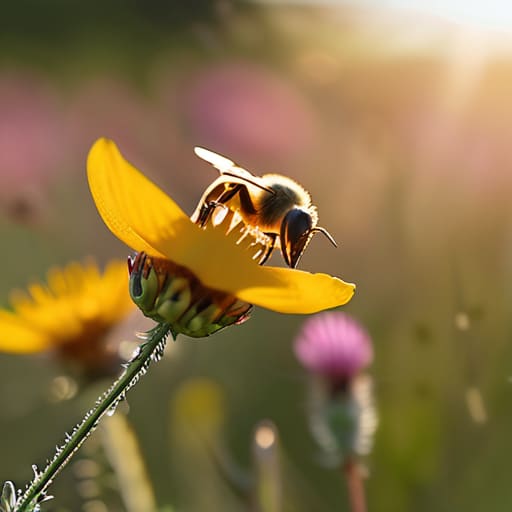
I’ve spent two decades watching how landscapes shift, and one thing is consistent: if you want a garden that actually functions as part of the local food web, you have to stop fighting the local biology. Most people try to force a manicured look that requires constant intervention, but native wildflower gardens don’t work like that. They work because they’ve evolved to survive the exact same rain, wind, and soil depletion that we deal with. I’ve been trial-running a patch of Knapweed and Bird’s-foot Trefoil in my own garden for four seasons now, through everything from summer droughts to heavy frost, and they’ve held up better than anything I bought from a big-box nursery.
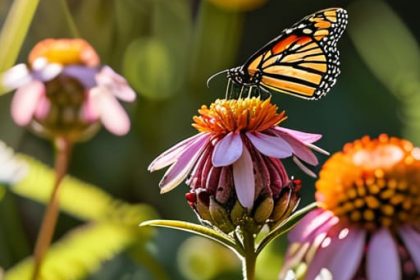
The trick isn’t just planting pretty things; it’s about supporting local ecosystems by choosing species that actually provide something. A butterfly doesn’t care about a hybrid rose that’s been bred for petal count; it needs the specific nectar or host plant it evolved with. If you want to see real results, you have to commit to reducing garden chemical use. Once you start spraying for “pests,” you’re effectively clearing the table for the very insects you’re trying to invite.
The Real Cost of Reducing Garden Chemical Use
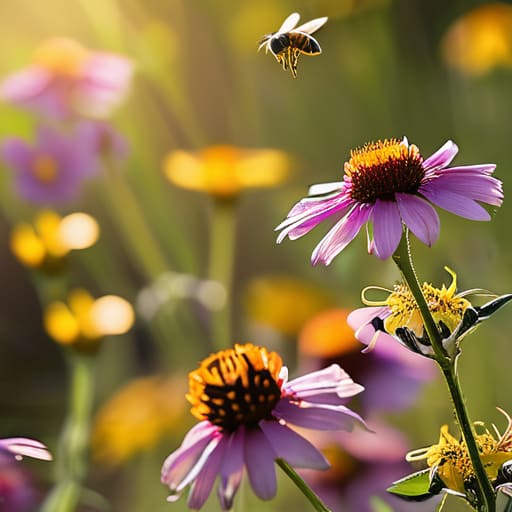
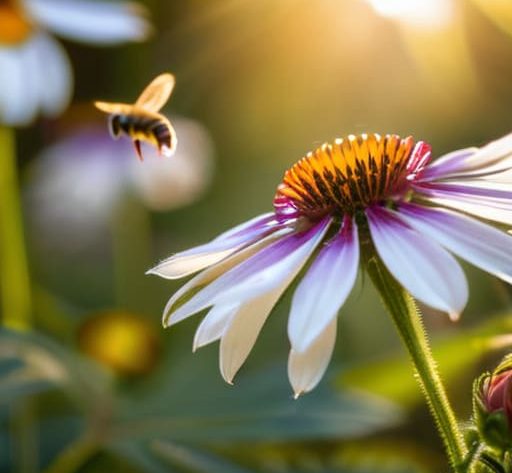
When I was working as a ranger, I spent a lot of time looking at the ground—not just for footpath erosion, but for the sheer lack of life in certain patches of managed land. People often think of reducing garden chemical use as a chore or a way to make their weeding harder, but they miss the immediate biological fallout. When you spray a broad-spectrum herbicide or a heavy-duty pesticide, you aren’t just killing the “weeds”; you are clearing the buffet for every bee and hoverfly in the parish. I’ve seen how quickly a patch of ground goes silent when the chemical load gets too high.
It’s about the long-term stability of your local patch. If you want to contribute to beneficial insect conservation, you have to accept a bit of mess. A garden that is chemically scrubbed clean is essentially a biological desert. I’ve spent twenty years watching how weather and habitat interact, and I can tell you that a garden left to its own devices—even with a bit of controlled management—creates a much more resilient foundation for supporting local ecosystems than any perfectly manicured, poison-fed lawn ever could.
Small Shifts That Actually Make a Difference
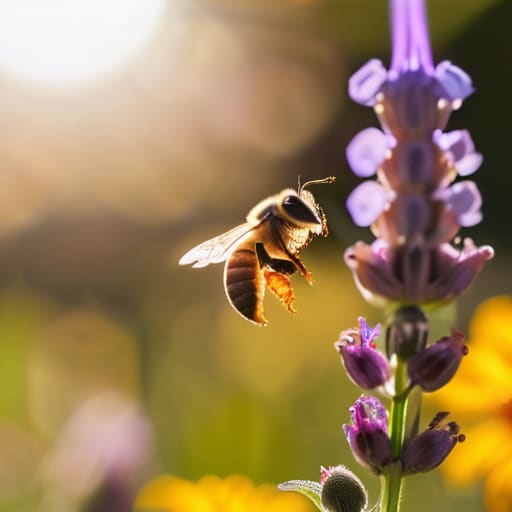
- Stop fighting the mess. If you have a patch of ground that looks a bit scrubby or overgrown, leave it alone for a season. Weeds like nettles and dandelions are the first thing a hungry bee looks for in early spring, and they don’t care about your manicured lawn.
- Think in continuous waves. It isn’t enough to have a burst of colour in June and then nothing. You need a sequence—something flowering in March, something in July, and something that holds on into October. If there’s a gap in the nectar supply, the local population will struggle to bridge it.
- Water is as vital as food. I’ve seen quite a few dry spells on the hills that change how wildlife behaves, and gardens are no different. A shallow dish with some pebbles or marbles in it—so they don’t drown—gives them a place to land and drink without the risk.
- Leave the dead wood alone. I spent nine years as a ranger seeing how much life is tucked into a rotting log. A pile of sticks or a bit of old timber in a corner provides shelter and a home for the larvae that eventually become the pollinators you’re trying to help.
- Avoid the “perfect” look. A garden that is too tidy is a desert for biodiversity. If you’re constantly tidying up every spent flower head or clearing every hollow, you’re stripping away the very habitat they need to survive the winter.
## The Margin for Error
“We tend to treat biodiversity like a hobby, something you add to a garden when you have the time and the right seeds, but for a pollinator, a manicured lawn is just a desert with better lighting. If you want to actually make a difference, stop trying to design a landscape and start providing a corridor; they don’t need perfection, they need a reliable path of food that doesn’t disappear the moment the season shifts.”
Bridget Halloran
The Long View
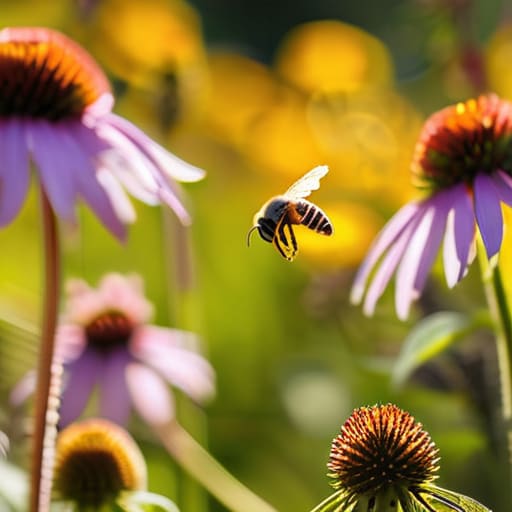
At the end of the day, helping pollinators isn’t about achieving some perfect, manicured ecological ideal; it’s about making better, more intentional decisions in the space you inhabit. We’ve talked about why native plants are the non-negotiable foundation of a working habitat and why pulling back on the chemical sprays is the only way to ensure the insects you’re trying to attract don’t end up dead in your flowerbeds. It’s a shift from seeing a garden as a controlled aesthetic to seeing it as a living, breathing system. If you get the soil right, the native species right, and the chemical use wrong, the system fails. It’s as simple and as stubborn as that.
I spent years as a ranger watching how small changes in a landscape could ripple through an entire ecosystem, from the insects in the grass up to the raptors circling overhead. You don’t need a massive estate to make a difference; even a small, messy corner of a garden can become a vital waypoint for a tired bee. Don’t get discouraged if things look a bit unkempt or if the progress feels slow. Nature doesn’t work on a human schedule, but if you provide the right conditions and then step back, the life will find its way in. It’s about being a decent steward of the patch you’ve got.
Frequently Asked Questions
Is it worth the effort to plant native species if I have a small, paved garden with almost no soil?
It’s a common frustration, but don’t let a lack of soil stop you. I’ve seen more biodiversity in a cracked concrete corner than in some manicured lawns. If you’ve got space for a few heavy pots or a raised bed, you’re in business. Focus on deep, well-draining containers and nectar-rich natives like Foxgloves or Lavender. Even a single pot of herbs on a patio provides a vital pitstop for a tired bee.
How do I know if the "natural" look I'm going for is actually helping wildlife or just making the garden look neglected?
It’s the difference between a managed habitat and a patch of weeds. If you’re seeing life—bees hitting the lavender, hoverflies on the umbellifers—you’re doing it right. A “neglected” garden is just dead space; a wildlife garden is intentional. I always tell people: keep the edges tidy and the paths clear. If the structure looks purposeful but the plants are allowed to go to seed, the insects will know the difference.
If I'm trying to avoid chemicals, how do I deal with common pests without accidentally killing the very insects I'm trying to attract?
It’s a delicate balance. If you go out with a spray bottle the moment you see a few aphids, you’re breaking the cycle. I’ve spent years watching bird populations shift, and they need those “pests” to feed their young. Instead of intervening, try a strong blast of water from a hose to knock them off, or better yet, plant umbellifers like fennel. Let the ladybirds do the heavy lifting; they’re more efficient than any chemical.