I once spent three hours in a sodden peat bog near the Cairngorms, squinting through a magnifying loupe at what I thought was a rare saxifrage, only to realize I was actually staring at a common, slightly mutated version of something I’d seen a thousand times. It’s easy to get caught up in the romanticism of it all, but if you think learning how to identify wildflowers is just about owning a glossy, expensive coffee-table book and nodding vaguely at a petal, you’re in for a rude awakening. Most guides are written for people sitting in sunlit studies, not for those of us trying to distinguish a species while horizontal rain is trying to peel our skin off.
I’m not here to give you a lecture or a list of Latin names that you’ll forget the second you hit the trailhead. Instead, I’m going to show you how to actually read the landscape using the patterns and habitats I’ve spent twenty-two years observing. We’ll focus on the practical markers—leaf shape, stem texture, and where the plant actually chooses to live—so you can move past the guesswork. This isn’t about being a botanist; it’s about knowing your surroundings well enough to respect them.
Table of Contents
Mastering Native Plant Species Characteristics and Leaf Arrangement
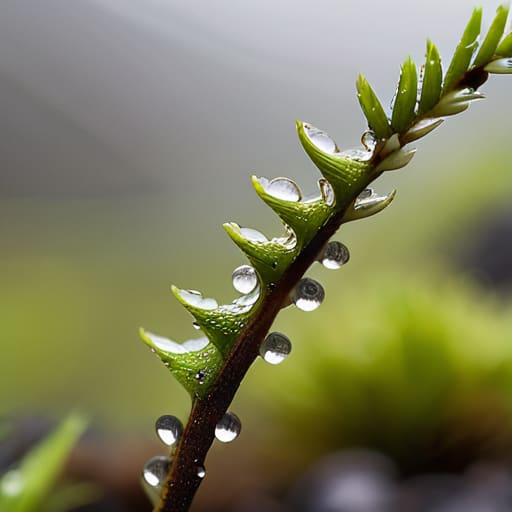
When you’re standing on a scree slope or navigating a damp peat bog, you won’t always have a clear view of a flower’s center. That’s when you need to stop looking for the “pretty” bits and start looking at the architecture. Pay close attention to leaf arrangement and structure; whether the leaves are opposite each other on the stem or staggered in an alternate pattern is often the quickest way to narrow down a family before you even see a bloom. I’ve spent many afternoons in the Cairngorms realizing that what I thought was a specific species was actually a lookalike, simply because I ignored how the leaves were attached to the stalk.
Don’t rely solely on a quick glance at a screen, either. While wildflower identification apps are fine for a bit of fun in the garden, they can struggle with the battered, wind-scoured specimens you find on a high ridge. Instead, look for the subtle cues: the serrated edge of a leaf or the way a stem holds its weight. If you understand the basic native plant species characteristics of your local area, you’ll find that the plants start telling you their names through their shapes long before they actually flower.
Distinguishing Flower Petal Shapes Before the Sun Goes Down
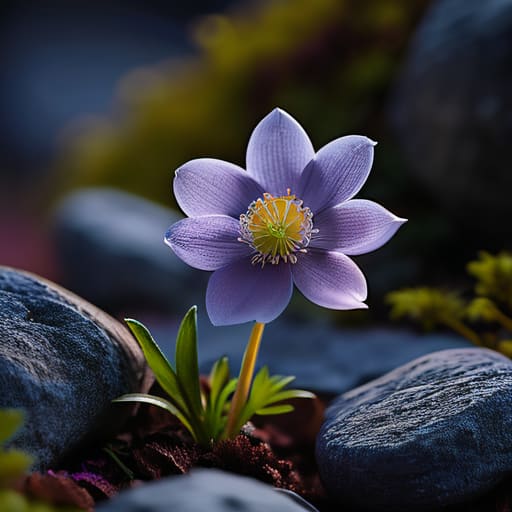
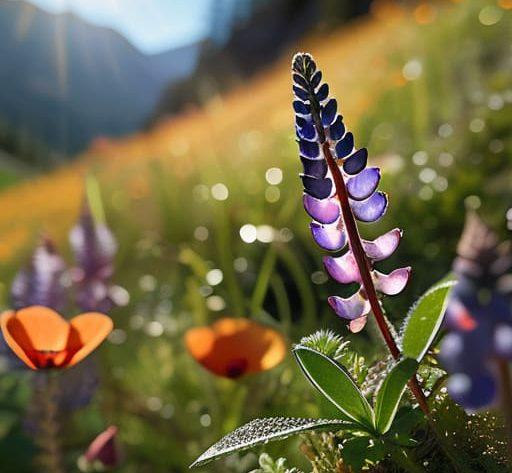
When the light starts to flatten and the shadows stretch across the scree, you lose the ability to see subtle color gradients. This is when distinguishing flower petal shapes becomes your most reliable tool. Instead of squinting at a faded purple hue, look at the geometry. Is the petal rounded and overlapping, like a primrose, or is it notched and distinct, like a wood anemone? I’ve spent countless evenings in the Cairngorms watching the light fail, and I’ve learned that the silhouette of a bloom tells you far more than the color ever will once the sun drops below the ridge.
Don’t rely solely on wildflower identification apps when you’re losing visibility; phone screens are useless in low light and batteries die when the temperature drops. Instead, focus on the symmetry. Is it radial, like a star, or bilateral, like a snapdragon? If you can’t see the petals clearly, look at how they attach to the receptacle. I always keep a small, waterproof botanical field guide in my hip belt pocket for these exact moments, but even then, it’s about training your eyes to recognize the structural “bones” of the plant before you’re forced to navigate by headtorch.
Five Habits to Save You from Guesswork
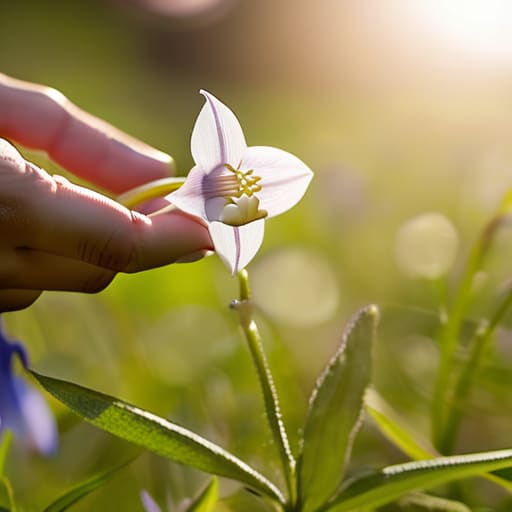
- Get a proper field guide that isn’t just a glossy coffee table book; you need something with small, accurate botanical illustrations and a key that actually works when you’re standing in a damp, windy gully.
- Stop looking at the flower first; look at the leaves, the stem, and the way they’re arranged on the plant, because the bloom is often the most deceptive part of the whole thing.
- Pay attention to the habitat, not just the plant, because if you’re standing on a limestone pavement, you can immediately rule out half the species you might see in a peat bog.
- Take a photo of the whole plant, not just a close-up of a petal, so you can actually remember the structure and height when you’re trying to cross-reference it back at the tent.
- Learn to recognize the “look” of a family—once you spot the pattern of a Ranunculus or a Geranium, you stop looking for individual flowers and start looking for specific species.
## Beyond the Pretty Colors
“Identification isn’t just about matching a petal to a page; it’s about understanding the plant’s place in the landscape before the light fails and you’re left staring at a blur of green that looks exactly like everything else.”
Bridget Halloran
Before You Pack Up and Head Down
At the end of the day, identifying wildflowers isn’t about memorizing a dry textbook list; it’s about training your eyes to see the subtle cues—the specific way a leaf attaches to a stem or the unique geometry of a petal—before the light fails. You need to look at the whole plant, not just the splash of colour, and understand how the arrangement of those parts tells a story of survival. Don’t rush the process just because you’re chasing a summit. If you can’t distinguish a common meadowsweet from something more complicated because you’re moving too fast, you’re missing the point of being out here. Slow down and observe the details while you still have the visibility to do so, because accuracy matters more than speed when you’re trying to truly know the landscape.
There is a specific kind of quiet satisfaction that comes from standing on a ridge, looking at a patch of colour, and knowing exactly what it is and why it’s growing there. It changes how you walk through the hills; the terrain stops being just a series of obstacles and starts becoming a living, breathing map. I’ve spent twenty-two years watching these cycles, and I can tell you that the more you learn, the more the mountains start to speak. Keep your field guide handy and your eyes sharp, because the real magic happens when you stop seeing just “flowers” and start seeing the intricate, resilient life that holds these hills together.
Frequently Asked Questions
What happens if I can't find the flower in bloom when I'm out on a ridge?
That’s when you stop looking at the petals and start looking at the architecture. If the bloom is gone, you’re looking at leaf margins, stem structure, and how the plant sits in the soil. I’ve spent many a damp afternoon in the Cairngorms identifying plants by nothing more than a serrated leaf edge or a specific stem pattern. It’s slower work, and it requires a decent field guide, but the plant’s skeleton tells just as much of a story as its color.
How do I tell the difference between a rare species and a common one when the weather is making everything look a bit washed out?
When the mist rolls in or the light turns flat and grey, you lose your color cues. Don’t rely on petal hue; it’ll lie to you in low light. Instead, look at the architecture. Focus on the leaf margins, the stem texture, and the way the plant sits in the soil. A common species often grows in dense, predictable clusters, whereas the rare ones tend to cling to specific, niche micro-habitats. Use your hands, not just your eyes.
Are there specific field guides you actually trust for the UK, or is it better to just rely on a decent app?
Apps are fine for a quick glance in the garden, but they fail you when the signal drops or the battery dies in a sudden downpour. I’ve carried the Collins Pocket Guide to Wildflowers for twelve years through everything from the Cairngorms to the Peak District; it’s light, waterproofed, and doesn’t need a charge. If you want real accuracy, get a physical guide. Digital tools are a supplement, not a replacement for a reliable book.