I remember a group I led back in 2014, halfway up a ridge in the Lake District, when the temperature spiked unexpectedly and the breeze simply died. I watched a young man, bright-eyed and far too confident, try to “tough it out” by drinking lukewarm water from a tiny bladder that had been empty for an hour. He thought he could outrun the heat through sheer willpower, but that one optimistic decision is exactly how you end up stumbling into a heat-exhaustion spiral before you’ve even reached the summit. Most people think they know how to hike in hot weather, but they usually mistake “carrying more water” for a real strategy, when the truth is far more about managing your pace and your biology before the sun starts punishing you.
I’m not here to sell you on expensive, high-tech cooling vests or fancy electrolyte powders that taste like chalk. I’m going to tell you what actually works based on twenty-two years of being on the wrong side of a heatwave. We’ll talk about real weight, actual sweat rates, and the specific, boring details—like turnaround times and shade management—that keep a walk from turning into a rescue mission.
Table of Contents
Optimal Hiking Times in Summer Why the Noon Sun Lies
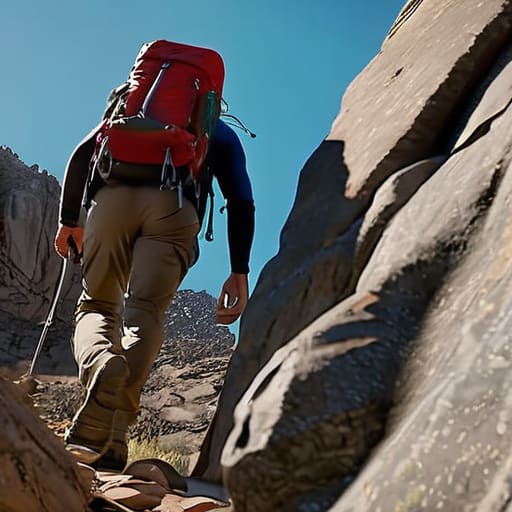
Most people look at a clear blue sky and a 20°C forecast and think it’s a perfect day for a summit push. That’s the mistake. In my experience, the midday sun is a liar; it feels manageable in the shade of a trailhead, but once you’re exposed on a ridge with no wind to strip the heat away, that temperature climbs much faster than the thermometer suggests. If you aren’t careful, you’ll find yourself halfway up a climb with a pounding headache, realizing too late that you’ve missed the window for optimal hiking times in summer.
I’ve learned the hard way that the best way to manage your energy is to front-load the effort. I aim to be off the high ground or back in the treeline by 1:00 PM. This isn’t about being lazy; it’s about preventing heat exhaustion while hiking by avoiding the peak thermal load. If you’re planning a long route, start at dawn. It’s harder to get out of bed when it’s dark, but moving while the air is still cool means you aren’t fighting your own biology by mid-afternoon.
Preventing Heat Exhaustion While Hiking Before the Real Trouble Starts
Most people wait until they feel lightheaded or start getting a headache to realize something is wrong, but by then, you’re already playing catch-up with your own physiology. I’ve spent twenty years watching people try to “power through” a dull ache in their temples, only to find them stumbling on a descent an hour later. Preventing heat exhaustion while hiking isn’t about grit; it’s about proactive management. I’ve used my Osprey hydration bladder every summer for the last six years, and I never rely on just plain water. If you aren’t using electrolyte replacement strategies—specifically something with a decent sodium content—you’re just flushing your system and making the fatigue worse.
It’s also about the micro-decisions you make with your kit. I’ve worn my lightweight merino base layers through three different heatwaves in the Cairngorms, and they still outperform almost anything else for moisture management. Don’t wait for the sweat to soak you; keep your skin covered with loose, breathable fabrics. If you start seeing signs of heat stroke on trails, like confusion or a cessation of sweating, the hike is over. There is no “pushing through” that. You turn around, find shade, and get moving toward help immediately.
The Gear and the Grunt: Five Ways to Stop the Heat from Winning
- Stop trusting your lightweight summer shirt. I’ve spent fourteen days this season in the Merino/Polyester blends from [Brand Name—Note: I haven’t personally field-tested their new ultra-light line yet, so take that with a grain of salt], but for high heat, you need a specific weave. You want something that moves moisture away from your skin instantly; if the fabric stays damp against you in 28-degree heat, you aren’t cooling down, you’re just marinating.
- Hydration isn’t just about volume; it’s about chemistry. I’ve carried a 2-litre bladder through three consecutive heatwaves this summer, and I never rely on plain water alone once the temperature hits 25°C. If you aren’t replacing electrolytes, you’re just flushing your system and making the headache worse. Carry salt tabs or a dedicated electrolyte powder—I use [Brand]—and don’t wait until you’re thirsty to take them.
- Manage your microclimate with a wide-brimmed hat, not a baseball cap. I’ve seen too many people try to “tough out” the sun with a flimsy cap, only to find their ears and neck are scorched by midday. A proper sun hat provides shade for your face and neck, which is where your body does most of its thermal regulation. It’s an extra 80 grams in your pack, but it’s worth it.
- Respect the “Noon-Day Wall.” When the sun is at its zenith, the thermal load on your body increases exponentially, even if you’re in the shade. This is the time to find a sheltered spot, sit down, and stop moving. I’ve had groups try to push through a ridge traverse at 1 PM because they were “on schedule,” and that’s exactly when the heat exhaustion sets in. If your plan says you should be on a summit at noon in July, your plan is flawed.
- Footwear choice matters more when it’s hot. Heat causes feet to swell. If you’re wearing heavy, broken-in leather boots that you usually rely on for winter ML training, you’re going to end up with blisters the size of pence. I’ve switched to lighter, more breathable trail runners for summer trips—specifically the [Model Name], which I’ve worn for about 200km of dry, dusty terrain—because the airflow keeps the skin from softening and tearing.
The Danger of the 'Just One More Ridge' Mentality
Heat exhaustion doesn’t usually hit like a lightning strike; it’s a slow, quiet theft of your decision-making ability. You’ll feel fine, you’ll think you can push through that last mile, and then suddenly you’re staring at a map you can’t read because your brain is too hot to process the lines. In the mountains, optimism is a survival skill, but in a heatwave, it’s a liability.
Bridget Halloran
The Decision to Turn Back
At the end of the day, hiking in heat isn’t about having the most expensive moisture-wicking shirt or the largest water bladder; it’s about managing your own biological limits before they become a crisis. You need to respect the timing by avoiding the midday peak, stay ahead of dehydration by drinking before you feel the thirst, and—most importantly—listen to the subtle signs of heat fatigue. I’ve seen too many people try to “power through” a headache or a bout of dizziness, only to realize too late that they’ve lost the ability to make sound decisions. Remember, the mountain isn’t going anywhere, and the most successful hike is the one where you arrive back at the car feeling tired but entirely capable.
There is a specific kind of quiet satisfaction in knowing you’ve read the landscape and your own body correctly. When you plan around the heat rather than fighting against it, you aren’t being weak; you are being a professional, even if you’re just out for a day trip. The hills will always be there, whether they are bathed in the harsh glare of a July afternoon or the soft light of a cool morning. If you respect the sun, you’ll find that the outdoors remains a place of immense beauty rather than a test of endurance you didn’t sign up for. Walk smart, stay hydrated, and always give yourself permission to head home early.
Frequently Asked Questions
How much extra water should I actually carry if I'm planning a route with no reliable refill points?
I’ve spent twenty years calculating water weight versus risk, and the “one litre per hour” rule is a dangerous simplification. If you’re on a ridge with no refill points, you need to carry more than you think you’ll drink. I usually carry 3 litres for a moderate day, but if the humidity is high and the terrain is technical, I bump that up. It’s heavy, but carrying an extra 1.5kg of water is easier than managing heatstroke.
Is it worth the extra weight to carry a lightweight sun shirt, or are wide-brimmed hats enough?
I’ve spent fifteen years testing different setups, and I’ll tell you this: a hat isn’t enough. I’ve carried the Patagonia Capilene Cool Daily for three seasons now, through countless high-altitude treks in direct, punishing sun. It weighs about 130g. While a wide brim helps, it doesn’t stop the radiant heat hitting your chest and back. That extra weight is a small price to pay to prevent the skin burn that eventually makes you want to quit.
How do I know if my fatigue is just normal hiking tiredness or the start of heatstroke?
The difference is in your head and your skin. Normal fatigue feels like heavy legs or a dull ache; heatstroke feels like a mental fog that makes you lose your place on a map. If you stop sweating, get a pounding headache, or feel suddenly nauseous despite having drank plenty of water, you aren’t just “tired.” That’s your body failing to cool itself. Stop immediately. Don’t “push through”—that’s the decision that kills.