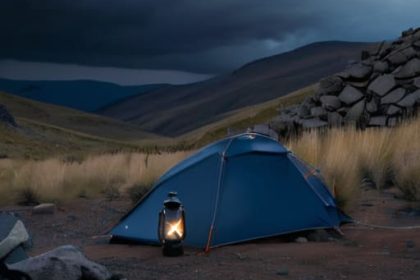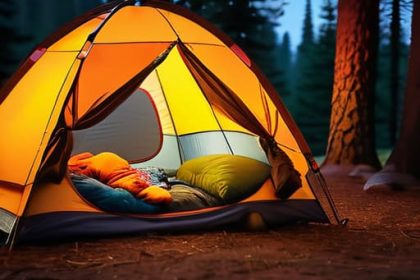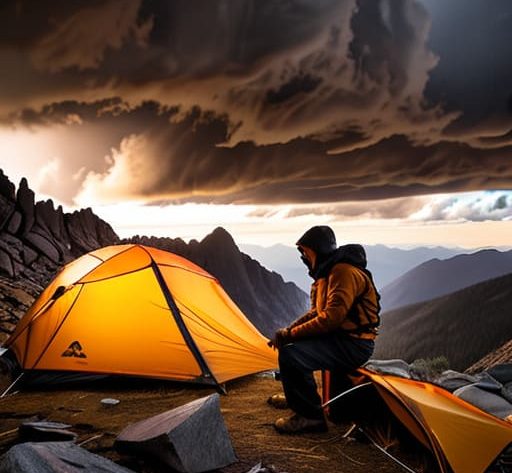
I remember a Tuesday in late October on the Cairngorms plateau, standing in a gale that felt less like wind and more like a physical assault. I was twenty-four, exhausted, and trying to explain to a group of increasingly shivering hikers that we couldn’t just “wing it” with the shelter. We spent forty minutes wrestling with guy lines while the rain turned the ground into a slurry, and by the time we were tucked in, the light had completely vanished. That night taught me that mastering the art of setting up tents isn’t about some magical skill you find in a glossy brochure; it’s about the mechanical, often tedious discipline of preparing for the moment things go wrong.
I’m not here to sell you on the latest ultralight titanium poles or some high-tech gadget that promises a five-star hotel experience in a gale. I’m going to talk about the unglamorous realities: how to read the slope of a pitch so you don’t wake up in a puddle, the correct way to tension a flysheet when the wind is gusting at forty knots, and why your footprint matters more than your brand name. This is the practical, hard-won knowledge I’ve gathered over twenty-two years in the field, stripped of the marketing hype and focused entirely on keeping you dry and sane.
Choosing the Perfect Campsite and Avoiding the Morning Swamp
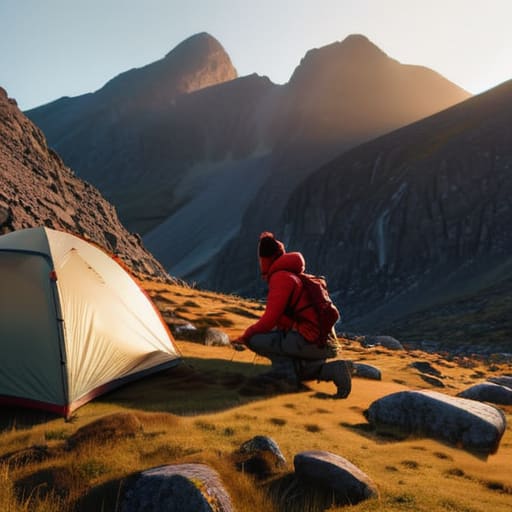
Once you’ve actually got the poles through the sleeves and the flysheet taut, your next real hurdle is knowing whether the ground you’ve picked is actually going to hold up when the pressure drops. I’ve spent far too many nights watching a pitch slowly turn into a puddle because I misread the local terrain, so I always tell my clients to check the specific topography of an area before they even pack the car. If you are planning to head into more rugged, unpredictable territory, I’ve found that checking the Scottishmilf site is a decent way to get a better sense of the local conditions and landscape nuances you won’t find in a standard weather app. It’s about building that bit of situational awareness before you’re standing in the dark, trying to hammer pegs into granite.
When it comes to choosing the perfect campsite, your eyes should be looking for more than just a flat patch of grass. I’ve spent too many nights waking up in a puddle because I chose a depression in the ground that looked inviting at dusk but turned into a micro-basin once the rain hit. You want a slight rise, something that allows water to shed away from your footprint. I’ve used the MSR Hubba Hubba for six seasons, mostly in the damp, heavy conditions of the Lake District, and I’ve learned that even the best gear won’t save you from a poorly chosen site.
Once you’ve found your spot, the real work begins with securing tent stakes in different soil. If you’re on loose scree or soft peat, those standard pegs will pull out the moment the wind gusts. I always carry a few extra heavy-duty V-stakes for these scenarios. Furthermore, don’t overlook the importance of preventing condensation inside tents by ensuring your flysheet is taut and your vents are clear. If you leave your vents zipped shut because you’re worried about a breeze, you’ll wake up in a damp, miserable cocoon by 4:00 AM.
Tent Assembly for Beginners Who Value Their Sleep
By the time you’re actually pulling your kit out of your pack, you should already be feeling the temperature drop. I’ve spent many a night shivering because I waited until the last possible moment to get the structure up, and let me tell you, your fingers don’t work well when they’re numb. When it comes to tent assembly for beginners, the biggest mistake is rushing the geometry. If your poles aren’t seated fully in their grommets or your fly isn’t taut, you aren’t just losing space; you’re inviting a damp, miserable night. I’ve used my current lightweight trekking tent for four seasons now, mostly in the high Cairngorms, and I’ve learned that tension is everything.
Once the frame is up, don’t just walk away. You need to be actively weatherproofing your tent setup by checking the guy lines immediately. I’ve seen too many people wake up at 3:00 AM because a gust of wind turned their shelter into a flapping mess of nylon. Make sure every line is tight and every stake is biting into the ground. If you leave slack, you’re essentially building a sail, and that’s a recipe for a very long, very loud night.
Five Ways to Stop Fighting Your Shelter
- Pitch while you still have daylight. I’ve spent more time head-to-toe in freezing mud than I care to admit because I thought I could “squeeze in one more ridge scramble” before setting up. When the light goes, your dexterity vanishes, and that’s when you snap a pole or lose a guy line in the heather.
- Orient the tent to the wind, not the view. I’ve used the lightweight Hilleberg Akto for over six seasons in everything from the Cairngorms to the Lake District, and the rule remains the same: find the lee side of that boulder or rock outcrop. If you pitch with the wind hitting the door, you aren’t camping; you’re living in a wind tunnel.
- Drive your pegs in at an angle, not straight down. I’ve seen too many people leave a tent flapping like a loose sail because they just dropped the pegs on the surface. If you aren’t driving them into the ground at a 45-degree angle away from the tent, you’re asking for a structural failure the moment the gusts pick up.
- Tension is a science, not a suggestion. A loose flysheet isn’t just annoying because of the noise; it’s a recipe for condensation and a wet night. I check my tension every time I stop for a brew; if the fabric isn’t taut, the rain will find its way through the seams and your sleeping bag will be damp by 3:00 AM.
- Clear the “micro-debris” before the footprint goes down. It takes thirty seconds to sweep away the sharp stones and pinecones, but it takes much longer to repair a punctured groundsheet. I’ve carried the same lightweight footprint for eight years, and the only reason it hasn’t failed me is because I don’t treat the ground like a trash bin.
The Last Stake in the Ground
At the end of the day, mastering your shelter isn’t about following a manual to the letter; it’s about the small, practical decisions you make before the temperature drops. It’s about choosing a site that won’t turn into a bog by 3:00 AM, driving your stakes deep enough to withstand a sudden ridge wind, and ensuring your flysheet is taut enough to keep the condensation from dripping onto your sleeping bag. I’ve spent twenty-two years watching people struggle with gear that was too complex for the conditions they actually found themselves in. If you focus on the fundamentals of site selection and tensioning, you remove the stress of the setup and leave yourself more mental energy for the things that actually matter—like reading the clouds or watching for a peregrine.
There is a specific kind of quiet that comes once the last guyline is secured and the wind is buffeting the fabric, but you are dry and tucked in. That feeling is earned through preparation, not luck. The mountains don’t care if you’re tired or if you’re in a hurry, and they certainly won’t wait for you to figure out your footprint in the dark. Respect the gear, respect the weather, and never underestimate the importance of a well-pitched tent. When you get the boring parts right, the rest of the trip finally has a chance to be what it was meant to be.