I was standing on a sodden ridge in the Cairngorms last November, the kind of damp cold that settles into your marrow and stays there, when a group of hikers walked right past a stag. They were looking for movement, scanning the horizon like they were searching for a ship at sea, completely missing the animal standing ten feet away in the heather. Most people think learning how to spot deer is about having high-end optics or some expensive camouflage kit, but that’s nonsense. It’s not about what you’re looking through; it’s about understanding the way the light hits a flank or how a specific patch of scrub suddenly looks too still.
I’m not going to give you a list of gear you don’t need or tell you to sit in a blind for six hours hoping for a miracle. Instead, I’m going to tell you what twenty-two years of watching the treeline has actually taught me. We’ll talk about reading the subtle shifts in the landscape and why patience is a tactical decision, not just a hobby. I’ll share the specific, unglamorous habits that actually work when you’re out in the wind and the rain, stripped of all the glossy wildlife photography hype.
Table of Contents
Reading the Landscape Deer Habitat Characteristics and Sign
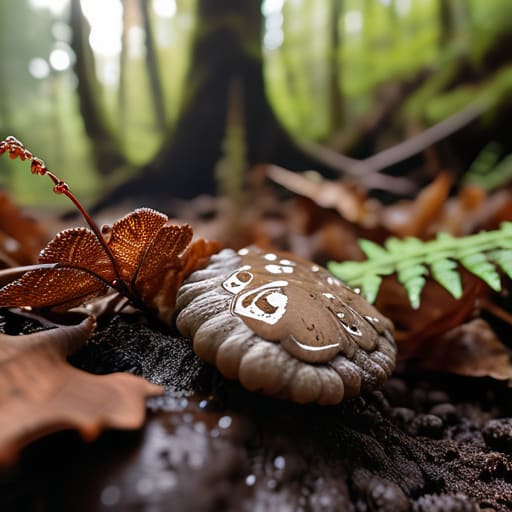
You aren’t going to find them by just scanning the horizon; you have to start looking at what they’ve left behind. I spent a decade as a ranger, and if there’s one thing I learned, it’s that deer are masters of being present without being seen. Real deer sign identification starts under your feet. I’ve spent many a damp morning in the Bracken looking for fresh scat or the specific, deep-set impressions of a hoof in soft mud. If the dung is still steaming or looks moist, you’re in the right place, and you’re likely not alone.
It’s also about the edges. Deer don’t usually hang out in the middle of a dense, unbroken thicket or a wide-open, exposed field; they live in the transition zones. I always look for the “browse line”—that specific height where the vegetation looks unnaturally trimmed, as if someone took a pair of shears to the lower branches. Understanding these deer habitat characteristics means watching where the forest meets the clearing. They want the cover of the trees for safety, but they need the edge for the easy calories.
Scat and Track Identification the Silent Language of the Woods

If you’re looking for a deer, stop looking at eye level and start looking at your feet. Most people walk right over the most obvious clues because they’re too busy scanning the canopy. Scat and track identification is often more reliable than a visual sighting, especially in the dense undergrowth or during the low light of dawn. I’ve spent countless hours in the Cairngorms tracking movement, and I can tell you that deer scat—usually small, dark, oval pellets—is a dead giveaway of recent activity. If the pellets are fresh and moist, you know you’re in a high-traffic corridor.
When it comes to tracks, don’t expect a perfect stamp. On soft, muddy ground, a roe deer’s print can look like a messy, two-toed blob, but on firmer soil, you’ll see that distinct, slightly asymmetrical shape. Learning these wildlife observation techniques is about patience. You aren’t just looking for a shape; you’re looking for the intent of the animal. A cluster of fresh tracks near a recent feeding site tells you exactly where they’ll be when the light fails, helping you understand their local rhythm without ever seeing a single antler.
Five ways to find them without being found
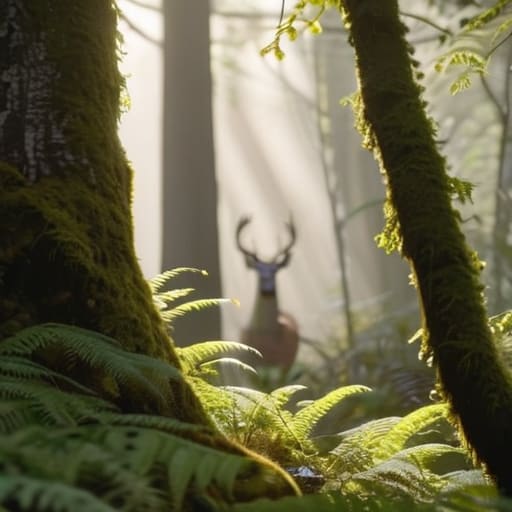
- Master the wind direction. I’ve spent more years than I can count watching groups walk straight into a deer’s nose because they were too focused on the view. If the wind is hitting your face, you’re doing fine; if it’s at your back, you might as well be ringing a dinner bell.
- Watch the edges, not the middle. Deer aren’t going to be standing in the centre of a wide-open field in broad daylight; they’re hugging the transition zones where the woodland meets the scrub or the long grass. Look for that specific line of shadow and movement where the cover begins.
- Listen for the “snap and silence.” It isn’t always a loud crack; often, it’s the sudden, unnatural silence that follows a single twig breaking. When the songbirds stop their chatter for a second, something has moved through the undergrowth, and it usually wasn’t the wind.
- Use your peripheral vision. If you stare straight ahead, you’ll miss the subtle twitch of an ear or the slight shift of a shoulder in the brush. I’ve learned to scan the treeline by looking slightly to the side of where I think they are; it catches the movement much more effectively.
- Timing is everything. You can spend ten hours in the hills and see nothing if you’re out at midday. If you want to see them, you need to be positioned and quiet during the “golden hours”—that window just after dawn and just before dusk when they move from their bedding areas to feed.
## The cost of being too loud
You’ll rarely find them by scanning the horizon like you’re looking for a landmark; you find them by noticing the sudden, heavy silence when the birds stop calling, or that one specific way a thicket seems to hold its breath just before you crest the ridge. If you’re stomping through the undergrowth with your head down, you aren’t looking for deer—you’re just making sure they’ve already moved a mile away by the time you arrive.
Bridget Halloran
The art of being still

At the end of the day, spotting deer isn’t about having a high-powered spotting scope or some expensive piece of kit; it’s about understanding the rhythm of the landscape. You have to connect the dots between the fresh scat on the trail, the specific way the undergrowth has been brushed aside, and the quiet pockets of habitat where they feel most secure. It’s a process of layering your observations—taking the tracks you saw an hour ago and applying them to the treeline you’re looking at now. If you’re rushing to reach a summit or a campsite, you’re going to miss them. You have to be willing to slow down, watch the light change, and respect the silence of the woods.
There is a specific kind of quiet that comes when you finally see them—that moment when a stag lifts its head, eyes locking onto yours for a split second before they melt back into the shadows. It’s a reward for the patience you’ve practiced and the effort you’ve put into reading the terrain. I’ve spent twenty-two years on these hills, and I can tell you that the most profound moments rarely happen when you’re moving fast. They happen when you stop being a visitor and start becoming a part of the landscape itself. Keep your eyes low, your movements steady, and let the woods reveal themselves to you in their own time.
Frequently Asked Questions
How much does the time of day actually matter, or can I expect to see them during a midday hike?
If you’re out on a midday hike, don’t expect much. Most deer are crepuscular—they’re active at dawn and dusk when the light is low and the shadows are long. By midday, they’re tucked deep into the thickets or bedding down in the lee of a hill to avoid the heat and human noise. If you do see them at noon, you’ve likely stumbled right into them, or the weather is so foul they’ve been forced to move.
If I'm moving through thick heather or bracken, is there a specific way to listen for them without spooking them?
If you’re pushing through thick heather or bracken, you’ve already lost the advantage of silence. The noise of your own movement is a constant signal. To actually hear them, you have to stop being the source of the noise. Find a spot, plant your feet, and wait. Listen for the “snap” of a dry stem or the heavy, rhythmic thud of a hoof that doesn’t match the wind. If you keep moving, you’re just white noise to them.
How can I tell the difference between a deer that's just passing through and one that’s actually settled in an area?
You’re looking for patterns, not just single sightings. A deer passing through is a ghost; you see a single track or a bit of scat and nothing else. A settled deer leaves a signature. Look for “runs”—those preferred, worn paths through the bracken—and consistent bedding sites where the grass is flattened and old. If you see the same dung pile or a specific patch of browsed saplings week after week, you’ve found their home.