I spent three years as a ranger watching people stare at a patch of scrubland and call it a “success” just because a few brambles had reclaimed a fence line. There is a massive amount of glossy, high-budget nonsense floating around right now that makes it sound like you can just drop a few deer into a field, walk away, and watch a paradise bloom. It’s a lie. Real restoration is messy, slow, and often quite frustrating, and if you want to understand how rewilding works in practice, you have to look past the curated Instagram photos and start looking at the soil, the seed banks, and the unpredictable chaos of actual ecology.
I’m not here to sell you a vision of a pristine, effortless wilderness. I’m here to talk about the grit—the failed plantings, the predator-prey imbalances, and the sheer patience required to let a landscape find its own feet. In this series, I’ll be stripping away the jargon to show you the unfiltered reality of what happens when you actually step back and let nature take the lead. No press releases, no hype; just the honest, hard-won lessons from twenty years of watching the hills change.
Table of Contents
Active vs Passive Rewilding Choosing Your Survival Strategy
In my years patrolling the boundaries of the national parks, I’ve seen both sides of this debate play out on the ground. Passive rewilding is the approach of stepping back—essentially removing the human hand from the steering wheel and letting nature find its own level. It’s the long game. You stop the grazing, stop the drainage, and wait. It’s low-intervention, but it requires a massive amount of patience and tolerance for the messy, unpredictable transition that happens when a landscape begins to reclaim itself.
Active rewilding, however, is more like the way I’d manage a group on a ridge: it’s intentional and hands-on. This involves specific ecosystem restoration techniques, such as manually planting native woodland or, more importantly, reintroducing specific animals to fill a void. You aren’t just waiting for luck; you are actively trying to trigger a keystone species role to kickstart the system. If you bring back the right herbivore or predator, you set off a chain reaction—a trophic cascade—that can reshape an entire valley. One is a slow recovery; the other is a deliberate push to get the gears turning again.
Ecosystem Restoration Techniques That Actually Stick
You can’t just fence off a piece of land and call it a day; that’s just a garden with more wind. Real ecosystem restoration techniques require a deep understanding of what’s actually missing from the soil and the food chain. I’ve spent years watching how a landscape responds to intervention, and the most successful projects don’t just plant trees—they rebuild the machinery of the land. This often means managing water flow to prevent the kind of erosion that turns a hillside into a scar, or carefully introducing specific vegetation to stabilize a slope before the winter rains arrive.
A massive part of this is understanding the keystone species role. When you reintroduce a species that shifts the entire balance—like a predator or a large herbivore—you trigger what scientists call trophic cascades. It’s a chain reaction. I’ve seen it in my own work: change one variable in the habitat, and suddenly the bird populations shift, the insect life booms, and the vegetation recovers in ways a spreadsheet could never predict. It’s messy, and it’s rarely a straight line, but that’s the only way the recovery actually sticks.
The Unseen Mechanics: What Actually Makes a Landscape Hold Together
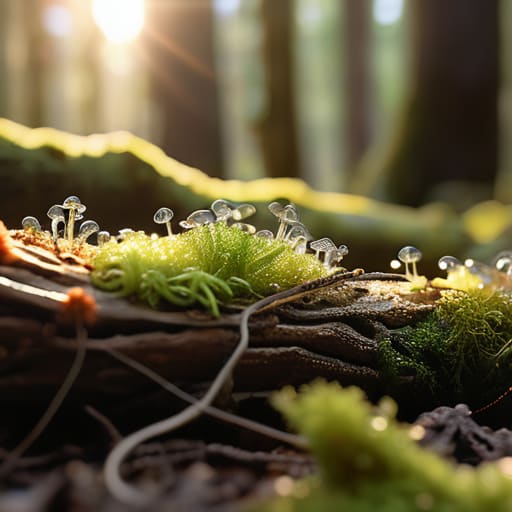
- Stop looking for the quick fix. Real rewilding isn’t a weekend project with a few saplings; it’s about managing the long, often frustrating timeline of ecological succession. I’ve spent years watching how scrub moves across a slope, and if you try to force a landscape into a specific shape too quickly, you’ll usually just end up with a monoculture that lacks the resilience to survive a bad winter.
- Prioritise the engineers, not just the scenery. Everyone wants to see the charismatic megafauna, but in practice, the real work is done by the “boring” species—the beavers managing water tables, the fungi breaking down deadwood, and the small mammals aerating the soil. If you don’t get the foundational species right, the rest of the ecosystem is just a house of cards waiting for a heavy gale.
- Respect the connectivity of the terrain. A patch of restored woodland is just an island if it isn’t connected to anything else. In my time as a ranger, I saw how isolated habitats often failed because species couldn’t migrate when conditions shifted. Practical rewilding means thinking about wildlife corridors and how a bird or a badger actually moves through the landscape, not just looking at a single fenced-off plot on a map.
- Accept that “messy” is a sign of health. We have a human tendency to want landscapes to look tidy, like a managed park, but a healthy ecosystem is chaotic. It needs fallen trees, deadwood, thicket, and varying heights of vegetation. If you try to clean up the “debris,” you’re effectively stripping away the nesting sites and the micro-climates that the local wildlife actually depends on to survive.
- Build in a margin for error. Just like you wouldn’t head onto a ridge without a buffer for changing weather, you can’t plan a rewilding project with zero tolerance for failure. Species won’t always go where you want them to, and some planting will inevitably die. The goal isn’t a perfect, controlled environment; it’s creating a system that is robust enough to self-correct when things inevitably go sideways.
The Messy Reality of a Working Landscape
Rewilding isn’t a tidy checkbox on a conservation plan; it’s more like trying to repair a footpath in a gale. You can plant the trees and introduce the species, but you can’t control the chaos that follows. Real restoration happens in the unpredictable gaps between your interventions—it’s about setting the stage, managing the immediate risks, and then having the discipline to step back and let the landscape make its own decisions, even when those decisions look a bit messy from the outside.
Bridget Halloran
The Long Game
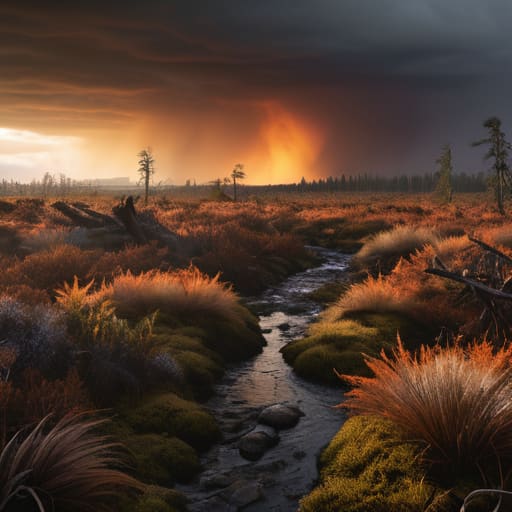
At the end of the day, rewilding isn’t a tidy checkbox exercise or a way to make a landscape look “pretty” for a weekend hiker. It is the messy, often frustrating work of balancing active interventions—like those crucial species reintroductions we discussed—with the patience required for passive processes to take hold. Whether you are managing a specific corridor for a nesting raptor or simply stepping back to let a peatland recover, the success of the project depends on understanding that nature doesn’t follow a human timetable. You have to be prepared for the setbacks, the unpredictable weather of ecological change, and the realization that your most effective tool is often just disciplined observation.
I’ve spent twenty-two years watching how landscapes respond to pressure, and if there is one thing I have learned, it is that the most resilient systems are the ones allowed to find their own rhythm. We aren’t just fixing broken things; we are trying to rebuild the capacity for life to solve its own problems. It requires a certain kind of humility to realize that we are merely the facilitators, not the architects. If we can manage to get the foundation right—the soil, the water, and the key species—then the real magic happens in the quiet, unmanaged spaces where the wild truly begins to breathe again.
Frequently Asked Questions
How do you actually measure if a rewilding project is succeeding beyond just seeing more trees or birds?
You look past the “pretty” stuff. A few more trees or a sighting of a buzzard doesn’t mean the system is working; it might just be a temporary influx. I look for functional complexity. Is the soil structure actually recovering after a heavy soak? Are the nutrient cycles moving without human intervention? Success is when the landscape starts making its own decisions—when the debris on the forest floor actually feeds the next generation without us stepping in.
What happens to local communities and people who rely on the land when you start shifting from managed landscapes to wilder ones?
It’s a valid worry, and one I’ve heard a lot while repairing paths in managed valleys. You can’t just pull the rug out from under a community that’s lived alongside a specific landscape for generations. If rewilding ignores the people—the farmers, the shepherds, the local economy—it fails. Real restoration has to include them, moving from “managing” the land to partnering with those who actually know its rhythms. It’s about new livelihoods, not just removing old ones.
How do you manage the risk of "unintended consequences," like invasive species or predator shifts, once you stop active intervention?
You can’t just walk away and expect perfection. In my experience, the transition from active management to letting nature take the reins is where the real friction happens. I’ve seen how a sudden shift in predator numbers can disrupt a nesting site I’ve tracked for years. You manage the risk by staying observant, not by hovering. It’s about adaptive management—monitoring the shifts and stepping back in only when the imbalance threatens the entire system.