I remember a night in the Cairngorms, about ten years ago, where the wind wasn’t just blowing; it was screaming through the heather. I was watching a group of walkers try to coax a flame out of damp peat, their faces lit by a frantic, flickering orange that felt far too large for the small space they’d cleared. They thought they were being careful, but they hadn’t accounted for the way a sudden gust can turn a controlled ember into a runaway line of fire in seconds. Learning how to manage fire safely isn’t about owning the most expensive titanium stove or a fancy tactical lighter; it’s about understanding the unpredictable relationship between fuel, oxygen, and the wind.
I’m not here to give you a list of gadgets to buy or a lecture on theoretical safety. I’m going to tell you what actually works when the temperature drops and your hands are too numb to feel the difference between a dying coal and a live spark. I’ll share the practical, unglamorous realities of site selection, fuel management, and the exact moment you need to stop trying and just douse the flames. This is the boring, essential stuff that ensures you actually get to go home.
Table of Contents
Preventing Wildfire Spread Before the First Spark
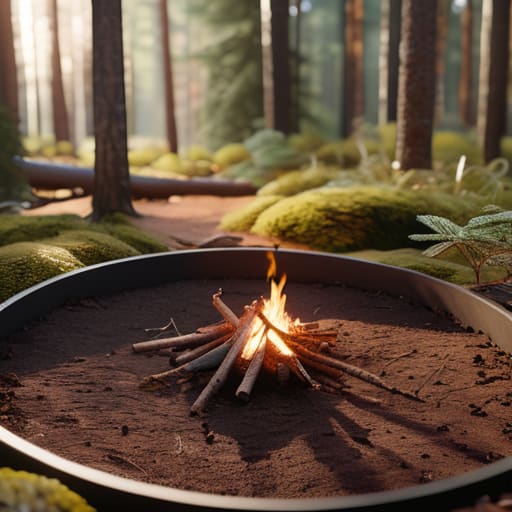
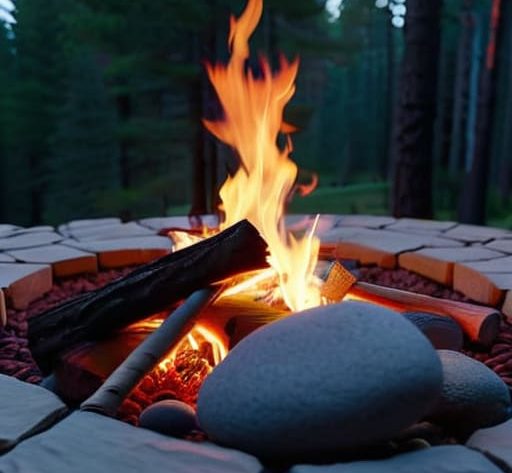
Most people think the danger starts when the match strikes, but by then, you’ve already made your biggest mistake. If you’re setting up camp in a patch of dry bracken or under a canopy of low-hanging, resinous pine, you aren’t just making a fire; you’re setting a fuse. I spent years as a ranger watching people settle into a perfect spot for a meal, completely oblivious to the fact that the ground beneath them was essentially tinder. Before you even think about a flame, you need to clear a wide, mineral-soil circle—no needles, no dead leaves, just dirt. It’s tedious work, but preventing wildfire spread starts with a clear perimeter that separates your heat source from the fuel.
I’ve seen too many “controlled” situations turn into an emergency fire response because someone was too lazy to move a few stray twigs. If you are using a stove for outdoor cooking safety tips, keep it on a flat, non-combustible surface, ideally on a rock or a dedicated pad. If you are committed to a campfire, you need to be obsessive about your site selection. I always check the wind direction and the moisture levels of the surrounding vegetation; if the grass is crunching under your boots like cornflakes, you shouldn’t be lighting a fire at all.
Outdoor Cooking Safety Tips for the Unprepared
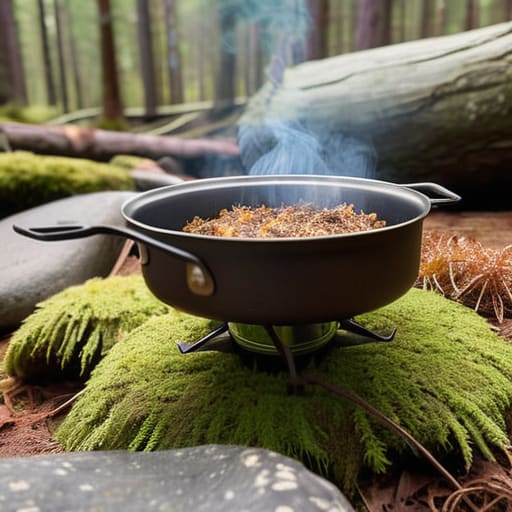
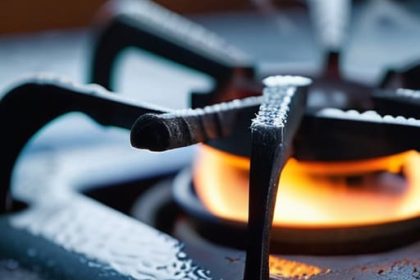
Most people treat a cooking stove like a kitchen appliance, forgetting they are operating it on uneven, potentially combustible ground. I’ve seen too many groups set up their gas burners directly on dry pine needles or dead bracken because they were too tired to clear a proper patch. If you aren’t using a stable, non-flammable base—like a flat rock or a dedicated stove platform—you are playing a dangerous game. I’ve used my MSR WhisperLite in high winds and damp peat for over a decade, and I can tell you that a sudden gust can easily tip a simmering pot into a patch of dry moss.
When it comes to outdoor cooking safety tips, the most important thing is your perimeter. Keep your fuel, your matches, and your cooking area strictly separated from your sleeping area and any organic debris. If you are using a stove rather than an open flame, your risk is lower, but the stakes remain high if a leak occurs or a burner flares up unexpectedly. Always have your emergency fire response plan in mind before you even click that igniter; knowing exactly where your water bottle or a shovel is located can prevent a minor flare-up from becoming a disaster.
The small things that stop a bad night from becoming a disaster
- Control your fuel load. I’ve spent too many evenings watching people build massive pyres when a small, efficient stove or a tiny, contained ring would have done the job; keep your wood pile small and your fuel strictly limited to what you are actually burning at that moment.
- Respect the wind’s unpredictability. A breeze that feels like a nuisance while you’re sitting down can turn into a blowtorch in seconds once it catches a stray ember, so always build your fire in a natural hollow or behind a windbreak, but never so close to scrub that you can’t see the perimeter.
- The “drown and stir” rule is non-negotiable. I don’t care how much the coals look “dead”—if you haven’t poured water on them, stirred the ash with a stick, and poured more water until the ground is cold to the touch, you haven’t finished making the fire.
- Clear your footprint. Before you even think about striking a match, clear a wide circle of all organic matter—dry leaves, pine needles, and dead grass—down to the mineral soil; I’ve seen fires jump a six-inch gap of moss in the time it took to reach for a water bottle.
- Never leave a flame unattended, even for a minute. The most dangerous moment is the “one quick trip” to grab a jacket or check a map, because that is exactly when the wind shifts or a spark finds a dry patch of heather.
The cost of a single optimistic decision
I’ve seen enough peat fires to know that a campfire doesn’t just stay where you put it; it waits for the wind to shift or for you to stop paying attention, and by then, the ground is already breathing heat you can’t control.
Bridget Halloran
The final decision before the embers die
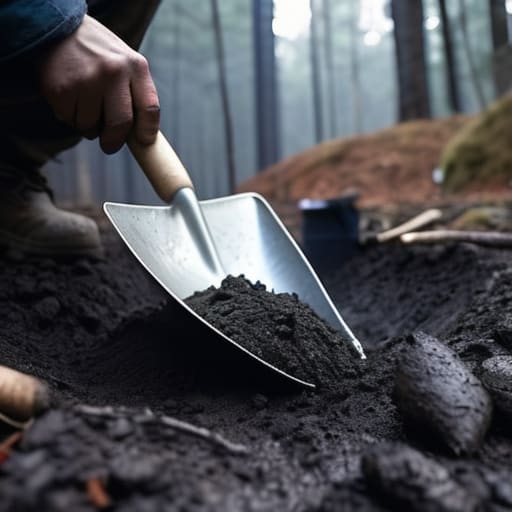
At the end of the day, managing a fire isn’t about being a survivalist; it’s about being disciplined. It’s about the mundane, repetitive work of clearing a wide enough radius of fuel, keeping your water source within arm’s reach, and never—ever—leaving a flame to its own devices while you wander off to check a map. I’ve seen too many “controlled” campfires get carried away by a sudden shift in wind or a stray bit of flying bark because someone thought they had more time than they actually did. If you haven’t thoroughly soaked the ground and ensured there is nothing left but cold, damp ash before you pack your kit, you haven’t finished your job.
We go into the hills to find something primal, and there is nothing quite like the warmth of a fire after a long, wet day of navigating a ridge. But that connection to the elements comes with a heavy responsibility to the landscape we rely on. The mountains are beautiful, but they are indifferent to your mistakes. My advice is simple: treat every spark with the respect it deserves, and remember that the best kind of fire is the one that leaves no trace of its existence once you’ve walked away. Leave the hills exactly as you found them, so the next person can enjoy the same quiet that you did.
Frequently Asked Questions
How do I know if the ground is too dry or the wind is too high to even bother trying to light a stove or a small fire?
If you’re staring at a patch of parched, brittle heather or feeling a wind that makes your stove’s flame dance uncontrollably, you’ve already reached the decision point. I’ve seen too many people try to “push through” a windy ridge only to end up fighting a flare-up that’s moving faster than they can react. If the fuel is crunchy and the wind is gusting above 15mph, don’t bother. Use your gas stove, or better yet, wait.
If I'm camping in a high-altitude area with limited fuel, what’s the safest way to manage a small, controlled flame without leaving a scar on the landscape?
At high altitudes, the wind is rarely your friend and the ground is often more fragile than it looks. If you’re short on fuel, don’t try to stretch a tiny fire; it just creates more smoke and frustration. Use a small, stable canister stove on a level surface. I’ve used my MSR PocketRocket in sub-zero, high-wind conditions for over a decade, and it’s far more predictable than a flickering flame on a rock.
What is the most reliable way to ensure a fire is truly dead and cold before I pack up and move on, especially when the ground is damp?
The “touch test” is a lie if you’re being careless; you can’t feel heat through a thick glove, and you shouldn’t be risking your skin to check. I’ve seen embers hide in damp peat for days. Drown it, stir it, and drown it again. Use your trowel to turn every single ash into a slurry. If the ground is damp, keep adding water until the slurry is cold enough to hold your bare hand in.