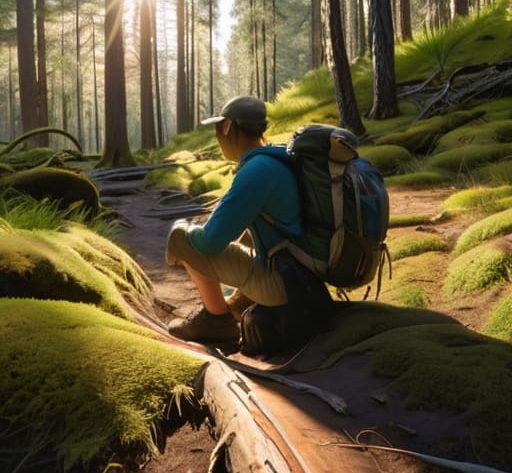
I remember standing on a scree slope in the Cairngorms, watching a perfectly capable walker try to “power through” a grade-two sprain because they didn’t want to ruin the group’s summit timing. The wind was gusting at thirty knots, the light was failing, and all they could think about was the view at the top. That is the moment when most people forget how to deal with an injury on a walk properly; they mistake stubbornness for resilience. In my twenty-two years out here, I’ve seen more people end up in a mountain rescue helicopter because they made one optimistic decision to ignore a sharp pain in their ankle when they should have been assessing their descent.
I am not going to give you a list of fancy medical gadgets or tell you to buy a specific brand of compression bandage. Instead, I’m going to tell you how to actually manage the situation when the adrenaline wears off and the reality sets in. We will talk about the hard decisions—like when to call it a day and when to hunker down—and the practical steps to stabilize yourself before the weather turns. This is about staying alive and moving safely, not about following a glossy brochure.
Table of Contents
Performing a Calm Outdoor Injury Assessment
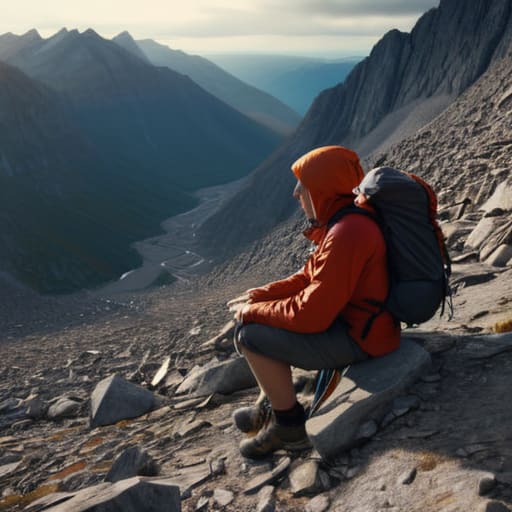
The moment someone goes down, your own heart rate will spike. That’s the first thing you have to fight. I’ve stood over many a collapsed hiker on a scree slope, and the instinct is to rush in, but rushing leads to mistakes. You need to perform a methodical outdoor injury assessment before you even touch them. Sit down, take a breath, and look at the scene. Is the ground stable? Are you in a position where a sudden gust or a slip could take you both out? You aren’t just looking at the person; you are looking at the environment they are currently trapped in.
Once the scene is stable, move to the person. I always follow a strict hierarchy: check for consciousness, breathing, and major bleeding before looking at the limb they’re clutching. If you’re treating sprains and strains outdoors, don’t immediately start fussing with a bandage. First, determine if the joint is stable or if there is a deformity that suggests a break. I’ve seen too many people try to “walk it off” only to turn a minor ligament tear into a complete rupture because they ignored the initial assessment. Slow is smooth, and smooth is safe.
Wilderness First Aid Techniques When the Terrain Gets Difficult
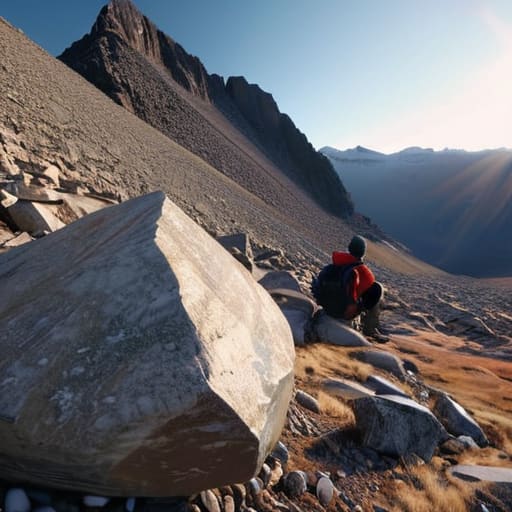
When you’re on a scree slope or a narrow ridge, standard wilderness first aid techniques change because the ground itself is a threat. If you’re treating sprains and strains outdoors in a high-exposure area, your first priority isn’t the ankle; it’s the stability of your position. I’ve seen people try to apply a compression bandage while sitting on a loose slope, only to slide ten feet downward the moment they shifted weight. If the terrain is steep, you need to find a flat, sheltered micro-site—even if it means moving twenty meters away from your intended path—before you even open your medical kit.
Once you are on stable ground, remember that managing an injury in difficult terrain is often about preventing secondary issues like hypothermia. If you are stuck on a ledge or a steep descent, the physical exertion of the injury combined with the wind can strip body heat faster than you realize. I’ve carried a lightweight emergency bivvy for twelve years, and I’ve used it more for thermal regulation during a slow assessment than for actual shelter. If the terrain prevents movement, stop trying to fix the injury and start fixing the environment.
The decisions that matter when things go wrong
- Stop the momentum immediately. I’ve seen too many people try to “walk it off” for another two kilometers, only to turn a minor strain into a complete ligament tear because they were chasing a summit or a sunset. If someone is hurt, the walk is over; the only question left is whether you’re moving to safety or staying put.
- Manage your thermal debt before it becomes hypothermia. An injured person is a stationary person, and a stationary person loses heat rapidly, especially if they’re sitting on damp ground. I always carry a heavy-duty emergency bivvy—not one of those thin foil sheets that rips if you breathe on it, but a proper bag—because keeping their core temperature up is more important than any bandage you can apply.
- Audit your daylight, not your map. When an injury happens, your internal clock should shift entirely to how much light you have left. If you have two hours of light and a two-hour descent, you are already in the red. You need to decide right then if you can make it down before the temperature drops and the terrain becomes invisible.
- Use your kit to create a stable environment. If you’re stuck on a ridge or a steep slope, you can’t just sit on the grass. I’ve spent years using my spare layers and even my backpack to create a barrier between a patient and the ground. It’s not about comfort; it’s about preventing the ground from sucking the life out of them while you wait for help.
- Be honest about your own capacity. If you are the leader or the sole companion, you are likely experiencing an adrenaline spike that is masking your own fatigue or fear. Check your own hydration and your own footing. If you trip or lose focus because you’re panicking, you’ve just doubled the number of people needing rescue.
The cost of a single decision
Most people think an injury is the crisis, but the crisis is actually the moment you decide to keep pushing when your body is telling you to stop. By the time the swelling starts or the bone snaps, you’ve usually already lost the battle against your own optimism.
Bridget Halloran
The decision that matters most
At the end of the day, managing an injury isn’t about having a perfect medical kit; it’s about the sequence of decisions you make before the panic sets in. You need to assess the injury without ego, stabilize what you can, and most importantly, read the environment as clearly as you read the wound. If you’ve lost mobility, your priority shifts immediately from the goal of the summit to the reality of the descent. Remember that a well-managed injury becomes a manageable problem if you act early, but it becomes a mountain rescue situation the moment you decide to ignore the symptoms in favour of reaching the car before dark.
I have spent two decades watching people struggle against the hills, and the ones who make it back safely are rarely the strongest or the fastest. They are the ones who know when the walk is over. There is no shame in turning back, and there is no glory in a preventable rescue. The mountains will still be there tomorrow, and the birds will still be nesting in the crags, regardless of whether you reached your destination today. Respect the limits of your body and the unpredictability of the weather, and you will find that the most successful walks are often the ones where you had the sense to stop.
Frequently Asked Questions
How do I decide whether to try and limp back to the trailhead or call for mountain rescue?
This is where the math of the mountain hits you. I always look at three things: the injury, the light, and the terrain. If it’s a stable ankle and you have four hours of daylight and a clear path, you might limp. But if the weather is turning or the terrain is technical, don’t gamble. I’ve seen “just a sprain” turn into hypothermia because someone stayed out too long. When in doubt, call them.
What kind of kit should I actually carry in my daypack to manage a serious injury if I'm solo?
Forget the bulky, pre-made kits. I’ve spent fifteen years refining my own kit list for solo days. I carry a lightweight emergency bivvy bag—I’ve used mine for three nights in freezing rain when a knee gave out—and a roll of heavy-duty cohesive bandage, which I’ve used for everything from sprains to deep cuts. You need a whistle, a headtorch with fresh batteries, and a space blanket that actually reflects heat. If it’s too heavy to carry when you’re tired, it’s too heavy to use when you’re hurt.
At what point does a minor injury, like a sprain or a blister, become a safety risk that requires me to turn back?
The moment a minor injury starts dictating your pace or your focus is when it becomes a risk. If a blister is so painful you’re limping, you’re changing your gait, which is how you blow out a knee or an ankle. If a sprain means you can’t trust your footing on a scree slope, you stop. If you’re spending more time managing the pain than watching the clouds or the terrain, turn back.