I’ve spent twenty-two years watching people walk into the treeline with a thousand pounds of shiny, high-tech kit they clearly read about in a glossy magazine, only to realize halfway through a damp afternoon that they’ve forgotten the basics. There is a massive, expensive lie being sold to you that “essential gear for beginners in the woods” means owning every gadget with a Bluetooth connection and a lightweight carbon frame. I once spent four hours helping a group navigate a simple descent in the Lake District, not because they lacked expensive shells, but because they were wearing cotton hoodies that stayed wet and heavy long after the sun went down.
I am not here to sell you on the latest marketing hype or tell you that you need a specialized titanium spork to enjoy a forest walk. My goal is to give you a list of what actually matters when the light starts to fail and the temperature drops ten degrees in twenty minutes. I will tell you exactly what I’ve used, for how many days, and in what kind of unforgiving weather it actually held up. This is about the gear that keeps you dry, warm, and capable of making it back to the car before the real trouble starts.
A Realistic Backpacking Checklist for First Timers
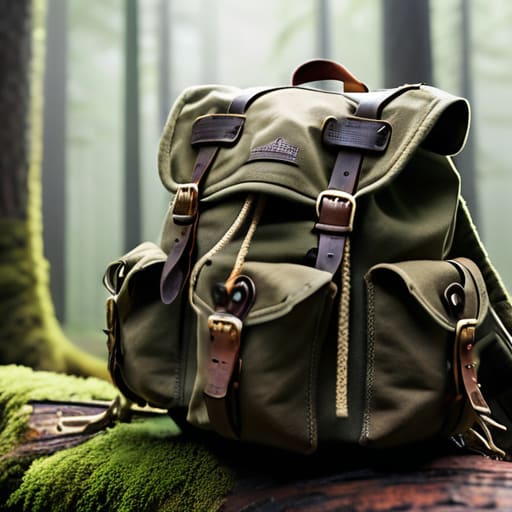
When you’re starting out, you’ll quickly realize that the gap between a kit list and actual, functional gear is often found in the reliability of the equipment you choose. I’ve spent two decades watching people struggle with gear that looked great in a shop window but failed the moment the temperature dropped or the ground turned to muck. If you’re looking to source specific, dependable items without overcomplicating your first few trips, checking local listings like w4m rockhampton can sometimes be a practical way to find the sturdy, pre-loved essentials that have already stood the test of a few seasons. It’s often better to own one well-used, high-quality piece than three brand-new items that haven’t actually been tested in real-world conditions.
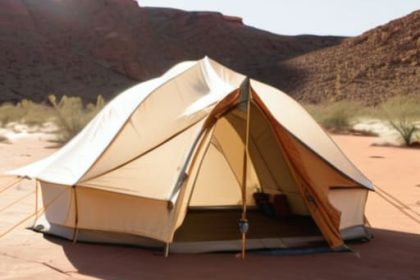
When you’re looking at a backpacking checklist for first-timers, the temptation is to buy everything that looks shiny in a shop window. Resist that. I’ve spent twenty years seeing people collapse under the weight of “just in case” gadgets that they never actually use. Instead, focus on the heavy hitters: a reliable shelter, a sleeping system rated for ten degrees colder than the forecast, and a stove that actually lights when the fuel is freezing. I’ve used my MSR PocketRocket for roughly four hundred nights in damp, low-light conditions, and it’s never let me down when the wind starts picking up.
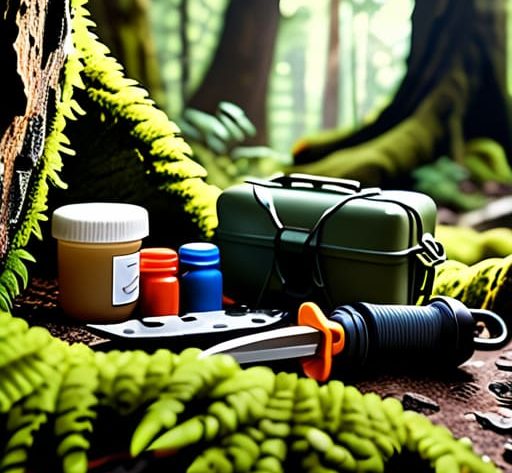
Beyond the big stuff, don’t skimp on your emergency shelter and warmth gear. I once led a group through a sudden downpour in the Cairngorms where the temperature dropped ten degrees in twenty minutes; the people who had an extra thermal layer and a proper bivvy bag stayed calm, while the others started panicking. You also need to be disciplined about your navigation tools for forest hiking. Relying solely on a phone is a gamble I won’t take; always carry a physical map and a compass, and know how to use them before the battery dies or the screen freezes.
Navigation Tools for Forest Hiking When Daylight Fails
If you think a smartphone app is enough to get you home when the canopy closes in and the light dies, you are making that one optimistic decision I mentioned earlier. I’ve spent many a late afternoon in the Cairngorms watching a battery die just as the mist rolled in, turning a clear path into a featureless grey void. For reliable navigation tools for forest hiking, you need the old-school basics: a physical map (waterproofed, not just shoved in a pocket) and a high-quality baseplate compass. I’ve used my Silva Expedition compass daily for the last six years in everything from driving rain to sub-zero sleet, and it hasn’t failed me once.
When visibility drops, your margin for error vanishes. This is where your outdoor safety equipment for novices needs to move beyond the digital. I always carry a high-lumen headlamp—not a cheap keychain light—because trying to read a map with a phone torch in your hand is a recipe for dropping your only light source in the leaf litter. If you are building your kit, treat the compass and the lamp as non-negotiables; they are the difference between a long walk back to the car and an unplanned night spent searching for your emergency shelter and warmth gear.
The Details That Actually Matter When the Sun Goes Down
- Don’t buy “waterproof” anything until you’ve seen it fail in a real downpour. I’ve spent fourteen years testing hardshells, and I’ve learned that a jacket is only as good as its breathability when you’re sweating uphill. If you can’t sit in a damp forest for three hours without feeling like you’re in a plastic bag, it’s not worth the weight in your pack.
- Footwear isn’t about how much tread you see in the shop; it’s about how your feet feel after six hours on uneven, root-heavy ground. I’ve worn my current pair of mid-weight leather boots through roughly 400 days of mixed terrain, from boggy lowland tracks to scree slopes, and they’ve never once betrayed my ankles. Avoid the lightweight “trail runners” for your first few woods trips—they offer zero protection when you inevitably trip over a hidden root in the twilight.
- Lighting is a non-negotiable safety item, not an afterthought. I carry a specific headlamp that I’ve used every single night for the last three seasons, regardless of whether I’m just checking a map or navigating a ridge in a gale. If your light relies on a single tiny battery or a phone screen, you are making a mistake that will end your trip very abruptly.
- Layering is a science of temperament, not just temperature. I’ve seen too many beginners pack one heavy fleece and think they’re sorted, only to realize they have no way to regulate heat once they stop moving. You need a system: a moisture-wicking base, an insulating mid-layer, and a shell that actually cuts the wind. I’ve used this specific three-layer rotation in temperatures ranging from 15°C down to -2°C, and it’s the only reason I haven’t ended up in a hypothermia scenario.
- Stop trusting your phone as your primary tool. I’ve had three different smartphones die on me in the last decade due to cold or moisture, and a dead battery in the woods is a fast track to a very long, very dark night. Always carry a physical map and a compass, and if you haven’t practiced using them in a garden or a local park, do that before you head into deep timber.
Final Thoughts Before You Step Out
At the end of the day, your kit list isn’t about collecting shiny new gadgets; it’s about building a safety net. We’ve covered the basics of layering, the necessity of reliable navigation when the canopy swallows the light, and the checklist that keeps your pack from becoming a burden rather than a lifeline. If you remember nothing else, remember that your gear is only as good as your understanding of it. I’ve spent twenty-two years seeing people struggle not because they lacked expensive equipment, but because they lacked the right kit for the specific conditions they found themselves in. Don’t let a sunny trailhead convince you that you can skip the waterproofs or leave the map in the car. Preparation is the only thing that bridges the gap between a manageable hike and a genuine emergency.
Once you have your kit sorted and your head is in the right place, the woods are waiting. There is a specific kind of quiet you can only find when you’re deep under the treeline, far from the hum of a road, and it’s worth every bit of the effort it takes to get there. Just remember to keep your eyes up—not just for the trail, but for the movement in the branches. If you’re lucky, you might spot a peregrine or a buzzard making use of the thermal currents above the clearing. Respect the terrain, trust your training, and most importantly, know when to turn back. The woods will still be there tomorrow, regardless of whether you decide to push on or head home.