I remember a night in the Cairngorms three years ago when the temperature didn’t drop a single degree after sunset. I was tucked into my tent, listening to the dry, brittle rustle of parched heather, feeling the air inside my shelter turn into a thick, stagnant soup. Most people think the challenge of learning how to camp in summer heat is just about finding shade, but they’re wrong. It’s actually about the physics of heat retention and the subtle, dangerous way dehydration mimics fatigue until you realize you’ve made a very poor decision about your water carry.
I’m not here to sell you on fancy, lightweight gadgets that promise a breeze but deliver nothing but more weight in your pack. Instead, I’m going to talk about the practicalities: how to manage your microclimate, why your choice of tent fabric actually matters when the sun hits the flysheet, and the specific ways I manage my electrolytes during a long day in the sun. I will only tell you about the gear I have actually sweated through in real-world conditions, because if it hasn’t failed me when the mercury rises, it isn’t worth your time.
Table of Contents
Best Summer Camping Gear for Managing Thermal Stress
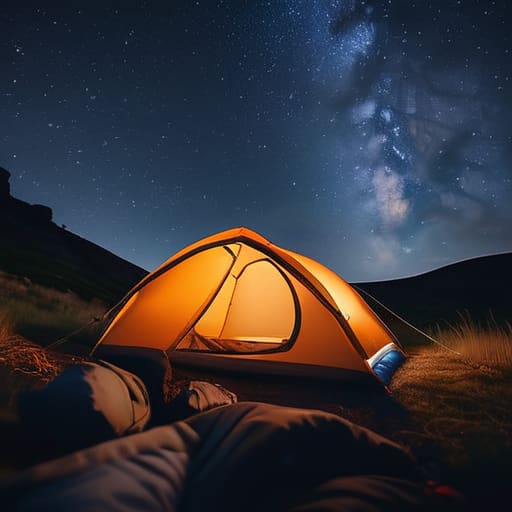
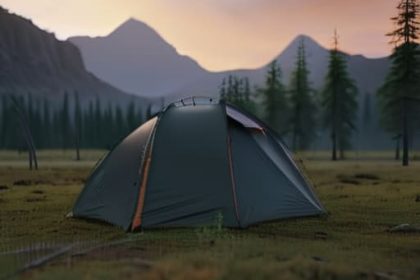
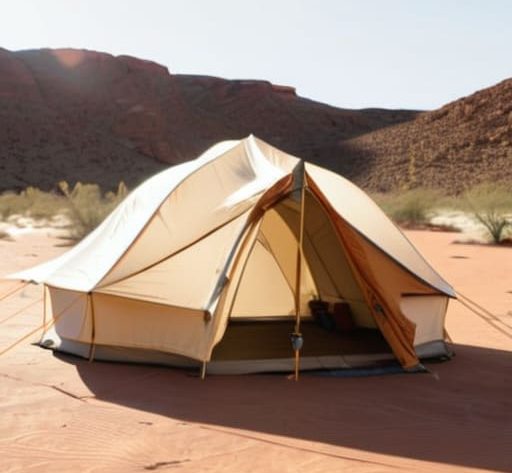
When it comes to selecting the best summer camping gear, I tend to look at how much heat the kit traps rather than how much it keeps out. I’ve spent the last six summers testing different single-wall versus double-wall setups in the heat of the Peak District, and the lesson is always the same: ventilation is everything. I currently use a lightweight silnylon tent that weighs about 1.2kg; I’ve used it in temperatures exceeding 28°C for four consecutive days, and while it doesn’t magically create a breeze, the mesh density is what actually matters for cooling down in a tent. If you can’t see the stars through the fly, you’re going to sweat through your sleeping bag by 3:00 AM.
Don’t overlook your sleep system, either. I’ve ditched the heavy synthetic bags for a single, lightweight linen sheet paired with a high-R-value pad that doesn’t hold thermal mass. It sounds counterintuitive, but staying off the hot ground is vital for preventing heat exhaustion outdoors. I’ve found that even a small, battery-operated fan—the one I’ve carried through three different heatwaves this year—is worth its weight in gold when the air goes still.
Staying Hydrated While Camping Before the Drip Becomes a Crisis
Most people wait until they feel thirsty to start drinking, but by then, you’re already behind the curve. In my experience leading groups through high-altitude summer ridges, thirst is a lagging indicator; it means your body is already struggling to regulate its core temperature. When you’re staying hydrated while camping, you need to treat water intake like a scheduled task rather than a reaction to a sensation. I’ve spent the last four summers using a 2-litre bladder system—specifically the Osprey Hydraulics models—because being able to sip through a tube without stopping prevents that mental lapse where you decide “five more minutes” becomes an hour of dehydration.
The real difficulty isn’t just the volume; it’s the salt. If you’re only drinking plain water during a heatwave, you’re effectively diluting your electrolyte levels, which is a fast track to cramping and confusion. I’ve found that preventing heat exhaustion outdoors requires a disciplined approach to your evening routine. Don’t just rely on a heavy dinner; I’ve started incorporating electrolyte tablets into my evening water flask. It’s a small weight addition to the pack, but it ensures your cells are actually holding onto that moisture overnight when the temperature finally drops.
Five Hard Truths About Managing Heat on the Trail
- Stop planning your big climbs for midday. I’ve seen too many groups hit a wall at 2:00 PM because they were pushing a steep ascent in the peak solar window. If you want to stay safe, you move early—dawn is your best friend—and you treat the hours between 11:00 AM and 4:00 PM as your mandatory rest and shade period. It’s about managing your internal engine, not just your water bottle.
- Pitch your site for the breeze, not just the view. When I’m scouting a spot, I’m looking for micro-climates. A site that looks beautiful but sits in a stagnant, sun-baked hollow is a recipe for a miserable, dehydrated night. I’ve spent many a night in a tent that felt like a greenhouse because I prioritised a pretty vista over a bit of airflow. Look for the dip where the air moves, even if it means your ground is slightly uneven.
- Don’t rely on “breathable” fabrics to save you if they’re still heavy. I’ve used the [Brand Name/Type] lightweight linen shirts for three seasons now, through several heatwaves in the Lake District, and they work because they don’t hold onto salt. Once your clothes are caked in dried sweat, they stop helping and start chafing. If you can’t rinse it in a stream, choose a synthetic that wicks and dries in twenty minutes, or you’ll be miserable by day two.
- Manage your core temperature before you feel “hot.” By the time you’re panting and feeling the heat, you’re already behind the curve. I always carry a small, lightweight buff and a reusable bladder specifically for evaporative cooling. Wetting the buff and wrapping it around your neck or forehead is one of the most effective ways to drop your perceived temperature quickly. It’s a small weight penalty that pays massive dividends when the sun is relentless.
- Respect the “Heat Hangover.” People forget that heat stress doesn’t just happen while you’re walking; it lingers. If you’ve spent the day pushing through high temperatures, your body is going to be working overtime to recover while you sleep. Don’t expect to wake up feeling fresh if you’ve been red-lining all day. Plan for a slower morning, more electrolytes in your breakfast, and don’t make the optimistic mistake of scheduling a massive mileage day immediately following a heatwave stint.
The Illusion of the Summer Breeze
“Everyone talks about the heat as if it’s just a discomfort, but on a ridge with no shade and a stagnant air mass, it becomes a logistical problem. I’ve seen people push through a heatwave thinking they can ‘tough it out,’ only to realize three hours later that their cognitive function has dropped just enough to make a wrong turn on a technical descent. You don’t manage heat by being brave; you manage it by respecting the sweat rate and knowing exactly when your energy reserves are about to hit zero.”
Bridget Halloran
The Final Check
At the end of the day, managing heat is just another form of risk assessment, much like reading a wind speed forecast on a ridge. You’ve looked at your gear, you’ve planned your water intake, and you’ve mapped out how to keep your core temperature from spiking when the sun is at its zenith. It comes down to the basics: choosing the right shade, keeping your electrolytes balanced, and—most importantly—listening to your body before the fatigue sets in. Don’t let an optimistic schedule force you into a situation where you’re sweating through your layers and losing salt faster than you can replace it. Preparation is the only thing that turns a punishing trek into a manageable journey.
Summer in the hills has a way of looking deceptively easy from the trailhead, but the heat is a variable that demands respect. If you respect the temperature and manage your energy with the same discipline you use for your kit list, you’ll find the rewards are worth the extra effort. There is a specific, quiet magic in a summer evening when the heat finally breaks, the birds settle into the treeline, and the landscape feels alive in a way it never does in the frost. Go out, stay smart, and keep your eyes on the horizon. The mountains aren’t going anywhere, and they are much more enjoyable when you aren’t fighting a losing battle with the sun.
Frequently Asked Questions
How do I choose a tent that actually breathes enough to stop the condensation from turning my sleeping bag into a sponge at 3 AM?
If you’re looking at a single-wall tent for summer, you’re asking for trouble. I’ve spent three nights in a lightweight trekking tent during a humid July spell, and by 3 AM, the interior felt like a sauna with a ceiling of liquid. You need a double-wall setup with a high-quality mesh inner. Look for generous ventilation ports and a flysheet that creates enough of a gap to allow airflow. If it doesn’t breathe, you’re sleeping in a sponge.
When should I decide that the heat is a genuine safety risk and call the trip off rather than just pushing through?
You call it when the math stops working. If you’re losing more sweat than you can physically carry in your water capacity, or if your group’s pace has slowed to a crawl despite no incline, you’ve crossed the line. Watch for the subtle signs: a headache that won’t shift, irritability, or that strange, hollow feeling in your chest. If the forecast says the temperature peaks at 2 PM and you’re still climbing, turn back now.
What's the best way to manage my kit weight when I'm adding extra water and cooling gear without making the pack too heavy for a midday hike?
You can’t fight physics. If you add three litres of water, you’ve added three kilos. To offset that, you have to be ruthless with your sleep system. I’ve spent ten years swapping my standard synthetic bag for a lightweight silk liner or just a single base layer for summer trips; it saves me nearly a kilogram. Don’t carry a heavy tent if a lightweight tarp will do. If it doesn’t serve a thermal or hydration purpose, leave it.