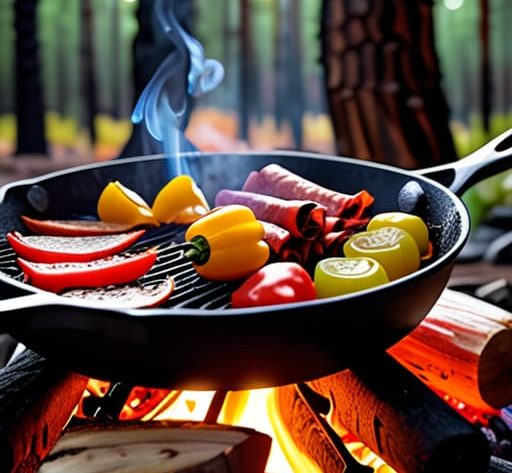
I’ve spent more nights than I can count sitting by a dying ember, staring at a charred, unidentifiable mass that was supposed to be dinner. Most people think learning how to cook delicious meals over campfire is about buying a fancy cast-iron Dutch oven or some expensive, pre-marinated steak from a boutique butcher. They’re wrong. I once watched a group of well-meaning hikers spend forty minutes trying to manage a massive, roaring blaze only to realize they hadn’t accounted for the shifting wind direction or the lack of dry kindling, leaving them with nothing but smoke in their eyes and a handful of raw sausages.
I’m not here to sell you a lifestyle or a piece of gear I haven’t personally tested in a gale. I’m going to tell you how to actually manage your fuel, how to time your heat, and why your choice of wood matters more than your seasoning. I’ll be sharing the unfiltered reality of backcountry cooking—the mistakes I’ve made and the methods that actually work when you’re tired, cold, and running out of daylight.
Managing Fire Temperature for Cooking Without Losing Your Cool
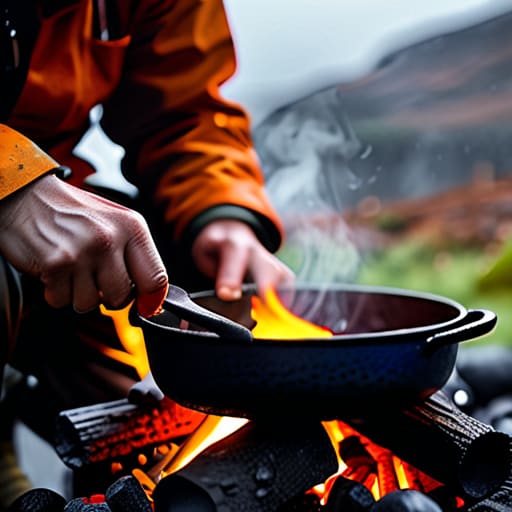
When you’re out there alone, it’s easy to get caught up in your own head, but I’ve found that the best way to sharpen your skills—and your confidence—is to stop trying to figure everything out in isolation. Whether it’s practicing a new way to manage your coals or just getting used to the unpredictability of the weather, there is a massive amount of value in meeting people in UK outdoor circles who have actually been through the grit of a failed cookout. Learning from someone who has spent years making mistakes in the rain is worth more than any instructional video you’ll find online.
The biggest mistake I see people make—usually when they’re hungry and the light is failing—is trying to cook directly over the dancing flames. If you do that, you aren’t cooking; you’re just charring the outside of your food while the middle stays raw. To actually succeed, you need to focus on managing fire temperature for cooking by moving your food to the periphery. I’ve spent the last three seasons using a small, seasoned birch log as a makeshift heat regulator. It’s not fancy, but it works. You want a bed of glowing coals, not a bonfire. Those coals provide a consistent, radiant heat that won’t jump up and scorch your dinner every time a breeze shifts.
If you are just starting out, I’d suggest sticking to essential wood types for cooking fires like birch or beech, which burn relatively clean and predictably. I’ve used a heavy-duty cast iron skillet over these coals for about forty days across various damp, Highland conditions, and it’s the only way to get even heat distribution. If you can’t control the coal bed, you can’t control the meal.
Essential Wood Types for Cooking Fires and Why It Matters
You can’t just grab whatever is lying around the campsite and expect a steady heat. I’ve spent many a night trying to sear a piece of protein over a pile of damp birch twigs, only to end up with a smoky mess and a cold meal. If you want to master essential wood types for cooking fires, you have to understand the difference between fuel and kindling. Hardwoods like oak, beech, or ash are your best friends here; they burn slow, steady, and provide that consistent coal bed you need for heavy pans. I’ve used seasoned oak for three seasons of multi-day treks, and it remains my benchmark for reliable heat.
Softwoods, like pine or spruce, are great for getting a flame going, but they are temperamental. They burn fast and spit sparks, which is a nightmare if you’re trying to manage a delicate simmer. If you are just starting with outdoor cooking techniques for beginners, my advice is to build your flame with the soft stuff but do your actual cooking over the hardwood coals. It’s the difference between a frantic, flickering flame and the controlled warmth required for real food.
Five Realities of Cooking When the Wind Picks Up and the Fuel Runs Low
- Stop trying to cook over the big, roaring flames. I’ve spent twenty years watching people burn the outside of a sausage while the middle stays frozen, all because they wanted the drama of a bonfire. You want the coals—the glowing, steady heat left behind once the flames have died down. That’s where the actual cooking happens.
- Always carry a small, lightweight metal windbreak or even just a heavy piece of bark. I’ve used a small titanium windscreen on my Trangia for about six seasons now, even when working with a small wood fire, because a sudden gust on a ridge can turn a controlled simmer into a cold, wet mess in seconds.
- Prep your ingredients in a way that accounts for the inevitable delay. If you’re waiting for a coal bed to establish, you don’t want to be chopping onions in the dark with cold fingers. I always prep my veg and proteins at the camp table while the fire is still in its “building” stage, not when I’m actually hungry.
- Salt and fat are your best friends when the temperature drops. When I’m leading groups in the Cairngorms, I notice people tend to eat bland food because they’re focused on warmth, but a bit of extra salt or a piece of fatty bacon goes a long way in keeping your energy levels stable when the dampness starts to set in.
- Respect your fuel math. If you plan to cook a heavy stew, you need to account for the fact that you’ll burn through twice as much wood as you think just to keep that heat consistent. I’ve sat through many a miserable evening because someone decided they had “enough” wood for a meal, forgetting that maintaining a cooking temperature requires a constant, steady supply of embers.
Respect the Flame, Enjoy the Meal
At the end of the day, cooking over an open fire isn’t about following a rigid recipe; it’s about reading the environment. You have to understand that the wood you choose dictates your heat, and your ability to manage that temperature determines whether you’re eating a charred mess or a proper meal. If you spend your time chasing a massive, roaring bonfire when you actually need a steady bed of coals, you’re going to end up frustrated and hungry. Success comes down to anticipating the shifts in your fuel and having the patience to wait for the right conditions. Don’t let an optimistic plan for a quick dinner run you into a situation where you’re trying to cook in the dark with nothing but smoke and frustration.
There is a specific kind of quiet that settles in when you finally sit down with a warm meal, the embers glowing low, and the wind dying down just enough to hear the woods around you. It’s a reward for the work you put into the setup, and it’s often the best part of a long day on the hills. Just remember that the fire serves the meal, not the other way around. Keep your kit dry, keep your wood selection intentional, and always leave the site better than you found it. If you respect the process, the outdoors will almost always provide a seat at the table.