I remember standing on a scree slope in the Cairngorms three years ago, watching the light fail faster than the forecast had promised, while my client stared at a dead phone that was supposed to be our only way to check the weather window. It wasn’t a lack of capacity that failed us; it was a cheap, lightweight unit that simply gave up the ghost the moment the temperature dropped below five degrees. Most people spend hours obsessing over marketing jargon and flashy LED displays when learning how to choose a power bank, but they completely ignore the reality of how gear actually behaves when you’re soaked to the bone and shivering.
I’m not here to sell you on the latest shiny gadget or repeat a manufacturer’s spec sheet back to you. Instead, I’m going to tell you what actually matters: weight distribution in your pack, how different mAh ratings hold up in actual mountain conditions, and which ports won’t fail when they get a bit of grit in them. I’ve put my own kit through the wringer in horizontal rain and sub-zero wind, and I’ll tell you exactly what I’ve learned so you don’t end up relying on a piece of plastic that fails when you need it most.
Table of Contents
Mah vs Wh Explained Making Sense of the Numbers
When you’re looking at the back of a box, you’ll see two different sets of numbers: mAh and Wh. Most people focus on the mAh (milliampere-hours) because it’s a bigger, more impressive number, but it’s a bit of a half-truth. mAh only tells you how much charge is in the battery at its internal voltage, which is usually around 3.7V. If you’re trying to figure out how much actual energy you’re carrying—especially when you’re calculating if you have enough juice to run a GPS and a phone through a wet night in the Cairngorms—you need to look at the Wh (Watt-hours).
The reason I care about this distinction is because of how energy actually transfers. If you’re using a high-output device via USB-C PD fast charging, the mAh number becomes even more misleading because the voltage is being stepped up significantly. I’ve spent the last three seasons testing various packs in damp, high-altitude conditions, and I’ve learned that the Wh rating is the only way to get a realistic sense of the total energy capacity you have available before the cells run dry. It’s the difference between knowing how much fuel is in a tank versus just knowing the size of the nozzle.
Lithium Polymer vs Lithium Ion Picking Your Chemistry
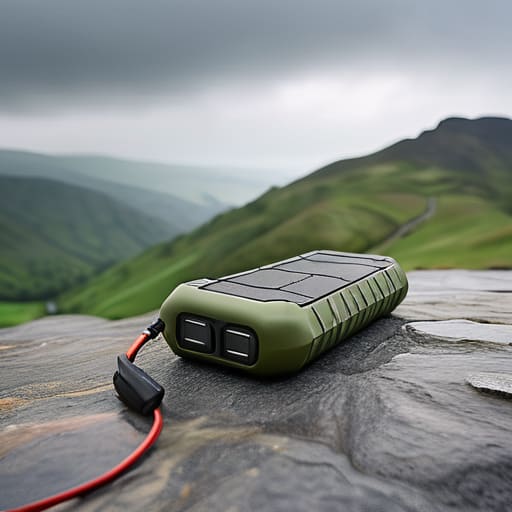
When you’re looking at specs, you’ll see a split between lithium ion (Li-ion) and lithium polymer (Li-Po). Most of the heavy-duty bricks I carry, like my Anker PowerCore series that I’ve put through three seasons of heavy use in the Lake District, use Li-ion. These cells are generally more energy-dense, meaning you get more capacity for less weight—which matters when you’re counting every gram on a long ascent. I’ve found they are the reliable workhorses for most trekking scenarios, though they tend to be slightly bulkier in shape.
Li-Po, on the other hand, is what you’ll find in those ultra-slim, flat chargers. They are lighter and can be shaped more easily, but they can be a bit more temperamental. In my experience, power bank temperature performance is where the real gap shows up. Li-ion cells tend to handle the sudden drop from a warm tent to a freezing ridge slightly better than the thinner polymer versions. If you are planning a multi-day trek where you might be pulling your kit out in sub-zero conditions, stick to the denser Li-ion cells for better stability.
Five things the spec sheet won't tell you
- Check the physical port-to-cable fit. I’ve spent too many evenings in a tent with freezing fingers trying to force a cable into a port that was poorly seated; if the connection isn’t rock-solid, that capacity doesn’t matter because you’ll lose charge to heat and friction before you even see a percentage drop.
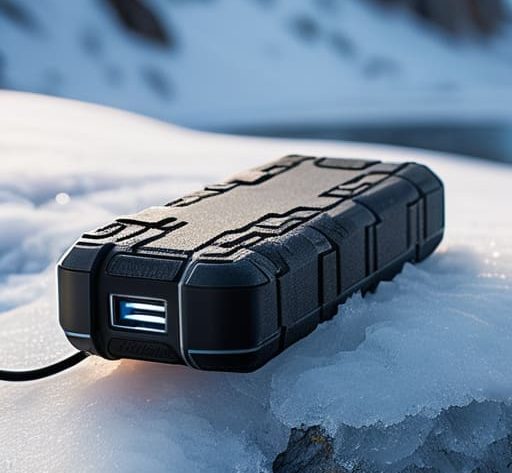
- Don’t trust the advertised capacity in sub-zero conditions. I’ve used the Anker 20,000mAh units through three winters in the Cairngorms, and while they are reliable, you have to account for the fact that lithium chemistry hates the cold—keep the bank tucked in an inside pocket against your body if you want it to actually hold a charge when the temperature hits minus ten.
- Prioritise ruggedness over slimness. A “pocket-friendly” slim bank looks great on a desk, but I’ve seen them crack after a single slip on granite; look for something with a rubberised casing or a build that feels like it can actually take a tumble from a rucksack without the internal cells shifting.
- Look for real-world weight, not just capacity. If you are doing a fast-paced ridge walk, every gram counts, so don’t carry a massive 30,000mAh brick just because you’re afraid of a dead phone; calculate your actual need for the trip and carry the lightest unit that covers that specific window.
- Verify the output wattage for your specific devices. If you’re trying to charge a tablet or a modern smartphone that requires PD (Power Delivery) to charge at a decent speed, a standard low-output bank will turn your “quick charge” into a three-hour crawl that might not even finish before you reach camp.
## The real cost of a dead battery
Forget the marketing fluff about how many times you can charge a phone; if you’re caught on a ridge in a sleet storm with a dead GPS and a frozen battery, that capacity doesn’t matter one bit. I’ve spent fifteen years watching people realize too late that a lightweight, cheap power bank is just a paperweight once the temperature drops below zero.
Bridget Halloran
Choosing your lifeline
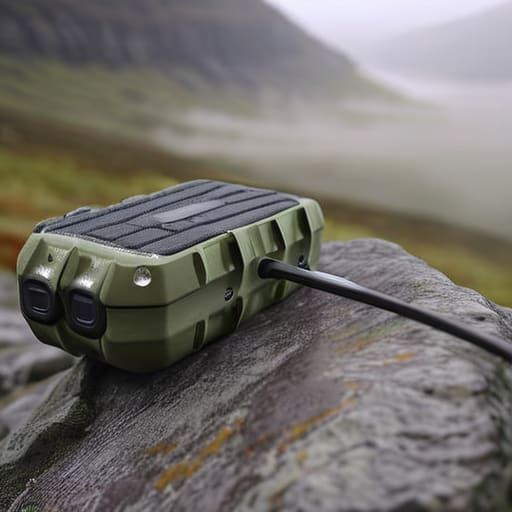
At the end of the day, picking a power bank isn’t about finding the highest number on a spec sheet; it’s about matching the kit to the reality of your environment. You need to weigh the capacity against the weight in your pack, understand the difference between mAh and Wh so you don’t get caught short, and choose a chemistry that won’t fail when the temperature drops. I’ve carried everything from tiny 5,000mAh units for day hikes to heavy-duty bricks for week-long treks in the Cairngorms, and I’ve learned that overestimating your battery life is a mistake you only make once. Make sure your choice is rugged, appropriately sized for your specific trip, and—most importantly—tested in the conditions you actually expect to face.
We often focus so much on the summit or the campsite that we forget the small, technical things that keep us moving safely. A dead phone isn’t just an inconvenience; it’s a lost map, a lost way to call for help, and a lost bit of peace of mind when the light starts to fail. Don’t view your power bank as an optional extra, but as a fundamental part of your safety kit, just like your compass or your waterproofs. When you get the boring stuff right, you stop worrying about the gear and you can finally start paying attention to the things that actually matter—like the silhouette of a peregrine against the clouds or the way the wind shifts on the ridge.
Frequently Asked Questions
How much capacity do I actually need for a three-day trek without wanting to carry a brick in my pack?
If you’re out for three days, don’t just guess. I’ve carried a 20,000mAh unit through a week of heavy rain in the Cairngorms, and while it kept my phone and GPS alive, it felt like carrying a literal brick in my pack. For most, a 10,000mAh bank is the sweet spot. It’s enough for a few full charges if you’re being disciplined with your screen brightness, without adding unnecessary weight to your kit.
Will the cold temperatures on a high ridge kill my battery halfway through the day?
Yes, it will. If you’re sitting on a ridge in November with a biting wind, that battery isn’t just working harder; its chemistry is slowing down. I’ve had perfectly good 10,000mAh units drop from 60% to dead in twenty minutes because they were tucked in a side pocket instead of against my body. Keep your power bank in an internal pocket, close to your warmth, or don’t trust it to get you home.
Should I be looking for something waterproof, or is it enough just to keep it in a dry bag?
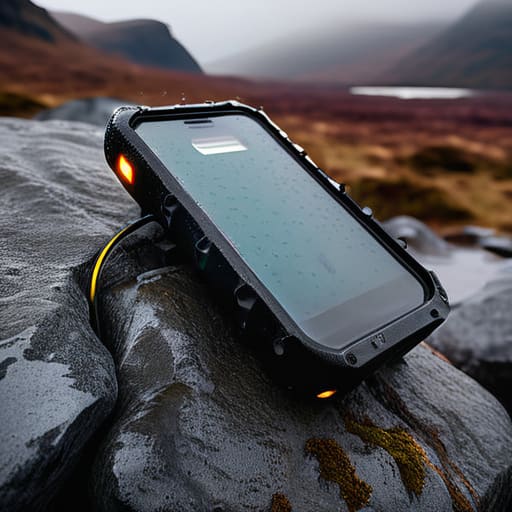
Don’t rely on a dry bag alone. I’ve spent too many nights in a damp tent watching a “water-resistant” power bank fail because the humidity alone seeped into the ports. If you’re doing anything more than a stroll in the park, look for an IP67 rating. I’ve used the Nitecore NB10000 in driving rain for three seasons; it’s light, but it’s the ruggedness that keeps me from worrying when the forecast turns.