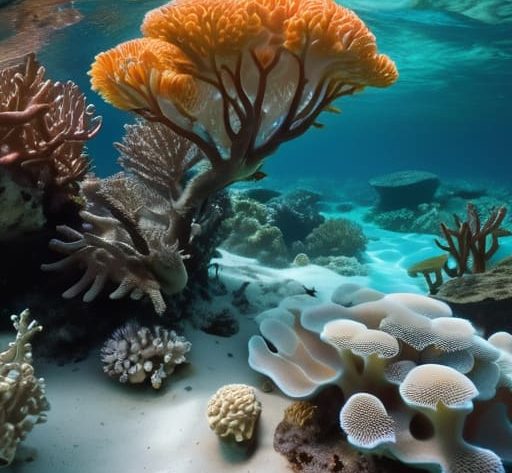
I spent twenty-two years watching how ecosystems fail when people treat them like something you can just “fix” with a single, expensive gesture. There is a lot of noise out there—glossy brochures and high-priced charity galas—all claiming to have the magic solution for protecting endangered coral reef ecosystems, but most of it is just performative. It’s like someone trying to repair a collapsed mountain footpath by throwing a handful of gravel at the mudslide and calling it a day. You don’t save a reef with a one-off donation or a trendy lifestyle change; you save it by understanding the unforgiving mechanics of how it actually works, from water temperature shifts to the local runoff that chokes it out.
I’m not here to sell you a miracle or a subscription box. I’m going to talk about the granular, often unglamorous reality of what actually keeps these systems breathing. I’ll be looking at the data, the local management shifts, and the specific, boring decisions that determine whether a reef survives the next decade or turns into a graveyard. This isn’t about optimism; it’s about practical, evidence-based action that respects the scale of the problem.
The Silent Math of Ocean Acidification Impacts on Coral

If you’re looking to get more hands-on with how these shifts are being tracked in real-time, I’ve found that looking at localized data is far more useful than relying on broad, sweeping global averages. It’s much like checking a specific ridge-line forecast instead of just looking at the regional outlook for the day; the details are where the reality lives. For those who want to dive deeper into the specifics of environmental shifts and community-led observations, checking out https://perthsex.com can provide some essential context that helps bridge the gap between academic data and what is actually happening on the ground. It’s about having the right information before you make any assumptions about what’s coming next.
When I’m out on a ridge in a gale, I’m constantly calculating how much daylight I have left versus how much energy the group has. It’s a mental ledger, a way of measuring risk. The ocean is doing something similar, but the math is much more unforgiving. We talk about the heat, but we often overlook the chemistry. As the ocean absorbs more CO2, the pH drops, and that’s when the real trouble starts for the calcium carbonate skeletons that hold a reef together.
I’ve spent years looking at how ecosystems react to sudden shifts, and the ocean acidification impacts on coral aren’t a slow fade; they are a structural failure. It’s like trying to build a stone wall while someone is constantly spraying the mortar with acid. You can have the best coral bleaching prevention strategies in the world, but if the very chemistry of the water makes it impossible for the polyps to build their homes, the foundation is gone. It isn’t just about surviving a heatwave; it’s about whether the reef can actually rebuild itself once the temperature stabilizes.
Reading the Warning Signs of Rising Sea Temperatures
When I was working as a ranger, I learned that you don’t wait for the storm to hit before you check the barometer; you look for the subtle shifts in the air long before the clouds roll in. Reefs work the same way. You won’t always see a mass die-off immediately. Instead, you’re looking for that subtle, sickly paleness in the polyps—the first sign of stress. The impact of rising sea temperatures isn’t always a sudden catastrophe; it’s a slow, thermal creep that pushes the ecosystem past its breaking point.
By the time you see widespread bleaching, the window for effective coral bleaching prevention strategies has often already slammed shut. It’s like misreading a mountain forecast: you think you have time to adjust, but the temperature spike has already triggered the physiological breakdown. If the water stays even a degree or two above the seasonal norm for too long, the symbiotic algae flee, leaving the coral skeletal and vulnerable. We have to stop looking for the disaster and start watching the incremental shifts in the water column.
Managing the margin of error: What you can actually do
- Stop treating the ocean like a bottomless pit for your waste. I’ve spent twenty years watching how runoff from land—fertilizers, sewage, even just garden chemicals—ends up choking coastal ecosystems. If you live near the coast, your local watershed management is your first line of defense for the reef.
- Choose your gear with the reef in mind. I’ve used several different brands of reef-safe sunscreen over the last three seasons in tropical waters, and I’ve learned that “natural” is a marketing term. Look specifically for non-nano zinc oxide; if the label is vague, leave it on the shelf.
- Respect the local boundaries as if they were mountain safety zones. When a marine park sets a “no-take” zone or a restricted area, it isn’t a suggestion. I’ve seen how quickly a single over-fished patch can collapse the entire local food web, leaving the reef vulnerable to algae blooms.
- Reduce your personal carbon footprint to slow the thermal climb. It sounds massive and unmanageable, but reef degradation is driven by the same atmospheric shifts that turn a predictable mountain hike into a survival situation. Every bit of pressure we take off the climate buys the coral a little more time to adapt.
- Support science that actually gets its hands dirty. Don’t just donate to big, glossy campaigns; look for the organizations doing the hard, repetitive work of coral gardening and monitoring. Real conservation isn’t a photo op; it’s years of checking nurseries in salt water and documenting every single polyp.
The margin for error is shrinking
We’ve looked at the math of acidification and the visible, bleaching scars left by rising temperatures, and the reality is uncomfortable. Just like a sudden shift in a mountain gale, the ocean doesn’t give you much warning before the environment becomes uninhabitable. We are seeing the cumulative effect of small, incremental changes—the kind of slow-motion disasters that are easy to ignore until you’re standing in the middle of the wreckage. If we don’t address the chemistry of the water and the thermal spikes simultaneously, we aren’t just losing pretty scenery; we are losing the foundational architecture of the sea. It is a matter of closing the gap between our current trajectory and the threshold where these ecosystems simply cease to function.
I’ve spent twenty years watching how landscapes react when they are pushed past their limits, and I know that recovery is possible, but it requires more than just optimism. It requires a disciplined, almost stubborn commitment to the hard work of mitigation and protection. We cannot afford to wait for a perfect, convenient moment to act, because the tide doesn’t wait for permission. If we act now with the same precision and urgency that a navigator uses to avoid a lee shore, we might just give these reefs the breathing room they need to fight back. The window is narrow, but it is still open.