I spent three years in my twenties watching people buy $40 leather-bound journals and expensive fountain pens, only to leave them sitting on a coffee table at home because they were too afraid to get a single drop of rain on the pages. There is this ridiculous, polished myth that you need a curated masterpiece to record what you see, but if you’re trying to figure out how to keep a wildlife notebook that actually functions when the wind is gusting at forty knots, you need to forget the aesthetics. A notebook isn’t a scrapbook; it’s a tool, and like any tool, it’s meant to be handled, stained, and battered by the environment it’s meant to document.
I’m not going to give you a list of stationery recommendations or tell you to start sketching like an artist. Instead, I’m going to show you how I’ve maintained my raptor logs since 2009 using nothing but waterproof paper, a blunt pencil, and a system that doesn’t fail when your fingers are too numb to grip a pen. I’ll tell you exactly what works when you’re actually in the field, what’s a waste of weight in your pack, and how to record data that matters before the light fails.
Table of Contents
Mastering Wildlife Observation Methods in Bad Weather
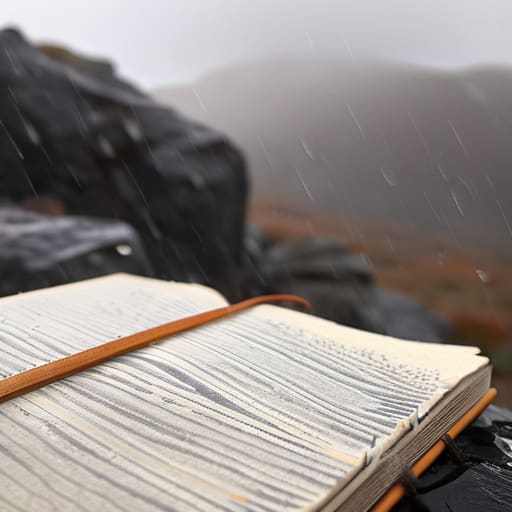
When the wind picks up and the visibility drops to twenty yards, your approach to wildlife observation methods has to change. You aren’t going to sit on a ridge and produce a beautiful watercolor in a horizontal sleet storm. In these conditions, I stop trying to be an artist and start being a recorder. I keep a small, dedicated section in my naturalist field diary specifically for “low-vis” notes—rough, hurried descriptions of movement or sound when you can’t actually see the subject. If I hear a buzzard calling from a particular crag during a gale, I note the direction and the sound pattern immediately.
The key is to prioritize functional data over aesthetics. I’ve spent many a day in the Cairngorms where my fingers were too numb for fine lines, so I rely on shorthand and symbols to track animal behavior. Don’t fight the weather; adapt your nature journaling techniques to it. Use a heavy-duty pencil—ink runs when it gets damp, and a lead pencil works even when your hands are shaking from the cold. If you can’t draw the bird, write down the exact time, the wind direction, and the specific sound it made. That’s the kind of information that actually matters when you’re looking back at your logs in the warmth of a kitchen.
Biological Data Collection Without the Fluff
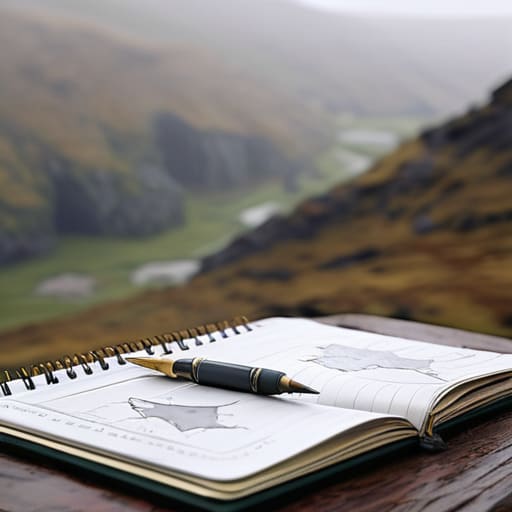
If you’re treating your notebook like a scrapbooks for pretty leaves, you’re doing it wrong. Real biological data collection isn’t about being an artist; it’s about being a witness. When I’m out checking raptor eyries, I don’t care if my sketches look like a child’s doodle. I care about the exact time, the wind direction, and whether that buzzard was hunting or just resting. If you can’t draw a perfect silhouette, don’t bother—just write down the structural markers that matter, like the shape of the wingtips or the length of the tail.
The goal is to build a reliable record, not a gallery. I’ve spent years refining my own naturalist field diary to focus on the data that actually tells a story over time. Instead of writing “saw a fox,” write “vixen, adult, moving north-east along the ridgeline, 14:20, heavy mist.” It feels pedantic when you’re standing in the middle of a moor, but three years from now, that specific detail is the only thing that will actually matter. Precision is what separates a hobbyist from someone who actually understands the landscape.
Five Essentials for a Notebook That Actually Works
- Use a pencil, not a pen. I’ve spent more years than I care to admit trying to scrape dried ink off a page after a soak in a Lakeland cloudburst, and it’s a losing battle. A 2B pencil works when the paper is damp, when your hands are numb from the cold, and when you’re working by the dim light of a headtorch.
- Map your sightings immediately. A note that says “buzzard near the scree” is useless three days later when you’re trying to cross-reference it with my raptor logs. Sketch a rough orientation or note the compass bearing relative to a known feature; if you don’t anchor the bird to the landscape, you’re just writing a diary, not collecting data.
- Keep your “wet” and “dry” data separate. I carry a small, dedicated waterproof pocket for my field notes, but I also keep a larger, more permanent logbook in my pack’s dry bag. Use the small one for the frantic, messy observations made while you’re actually on the ridge, then transcribe them into the proper log when you’re back at the hut and the wind has died down.
- Record the “unseen” variables. A sighting of a kestrel is only half the story. You need to note the cloud base, the wind direction, and the temperature. I’ve learned that a bird’s behavior is often more a reaction to a dropping barometer than to anything else, so if you aren’t recording the weather, you’re missing the context.
- Don’t aim for beautiful; aim for legible. I see people carrying expensive, leather-bound journals that they’re too precious to actually use in the rain. Your notebook is a tool, like a compass or a trowel. It’s going to get scuffed, the edges will fray, and the pages will get stained. If you’re worried about making it look pretty, you’re not focusing enough on the bird in front of you.
The Cost of a Bad Memory
A notebook isn’t a diary for your feelings; it’s a record of facts that you’ll need when the wind is howling and your brain is too cold to think. If you don’t write down the exact time, the cloud base, and the specific perch you saw that peregrine on, you aren’t collecting data—you’re just remembering a story, and stories fail you when you’re trying to track a population.
Bridget Halloran
The Long View
At the end of the day, a wildlife notebook isn’t about producing a perfect, illustrated manuscript; it’s about capturing the truth of a moment before the wind shifts or the light fails. We’ve talked about stripping away the fluff, prioritizing weather-proofed gear, and making sure your data is actually useful when you sit down by the stove later. Whether you are recording a peregrine’s hunting pattern or just noting the exact time a storm broke over a ridge, the goal is to remove the guesswork. If you can look back at an entry from three years ago and know exactly what the conditions were, you’ve done your job. Keep it simple, keep it dry, and don’t overcomplicate the process just because you think you should.
I have kept my raptor logs since 2009, and looking back through those weathered, ink-stained pages is more rewarding than any glossy textbook. There is a profound sense of connection that comes from seeing the patterns of the landscape unfold over decades rather than days. Your notebook is more than just a collection of observations; it is a personal map of how you have learned to see the world. So, get out there, embrace the damp, and start writing. The mountains aren’t going anywhere, but the details of this moment certainly are.
Frequently Asked Questions
What’s the best way to stop my ink from running or my pages from turning to pulp when I'm caught in a proper horizontal rain?
You need to ditch the ballpoints; they’re useless when the humidity hits 90%. I’ve used the Rite in the Rain all-weather notebooks for over six years now, through countless peat bogs and Atlantic squalls, and they actually hold up. Pair them with a pressurized space pen or a fine-tip pigment liner. I’ve seen too many people try to scribble on standard paper in a downpour, only to end up with a blue smudge instead of data.
How much detail is actually useful for a raptor log versus just cluttering up the pages with useless observations?
If you’re recording a Peregrine, I don’t need a poetic description of the light hitting its feathers. I need the perch location, the approximate height, and the direction of flight. If you’re noting a nest, the specific ledge or tree type matters more than the bird’s mood. I’ve spent years looking at my own logs; if a detail doesn’t help me find that same bird in the same spot three years from now, it’s just clutter.
If I'm carrying a heavy pack on a multi-day route, how do I keep my notebook accessible without it becoming a weight problem?
If you’re on a multi-day trek, the last thing you want is to be stripping your pack every time a bird calls. I’ve carried a small, waterproof Rite in the Rain notebook in my hip belt pocket for twelve years—through horizontal rain and heavy scree scrambles—and it’s never failed me. It stays within reach without adding more than a few grams. Keep the heavy logbook in the pack, but keep the immediate observations on your person.