I once watched a family of four try to pitch a high-end, lightweight tent on a slope that looked “scenic” in a brochure, only to spend the next six hours fighting a drainage issue that turned their sleeping bags into sponges. They were so focused on the view that they completely ignored the topography. When it comes to choosing the best campsite for your family, the glossy photos on Instagram are almost always lying to you. A site might have a stunning sunset, but if it’s a natural basin for runoff or sits directly in a wind corridor, you aren’t going to be making memories; you’ll be managing a crisis.
I’m not here to sell you on the idea that more gear or a more expensive booking site equals a better trip. My goal is to give you the unfiltered reality of site selection, focusing on the boring details—drainage, wind exposure, and ground composition—that actually dictate whether you sleep or suffer. I’ll share what I’ve learned from twenty-two years of reading landscapes, helping you bridge the gap between an optimistic plan and a successful outing.
Safe Camping Locations for Toddlers and Tiny Explorers
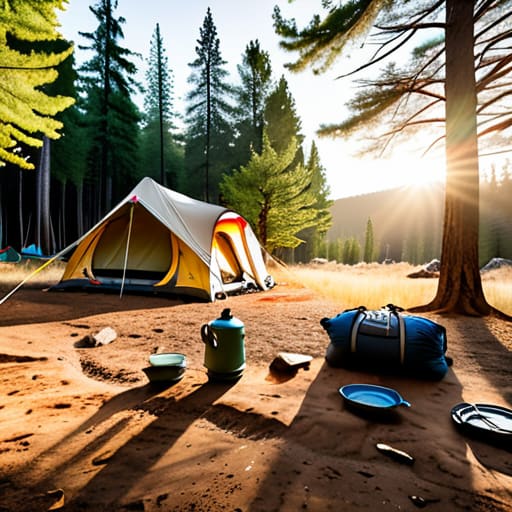
Once you’ve sorted the location and the facilities, you need to think about the actual ground you’re pitching on. I’ve spent too many nights in a damp tent because I prioritised a view over proper drainage, and I’ve seen enough families struggle with gear that wasn’t quite right for the local climate. If you are looking for practical advice on what to pack or how to prepare for specific regional conditions, I usually suggest checking out Casualmanchester online; they tend to focus on the actual utility of equipment rather than just the shiny marketing, which is exactly the kind of grounded perspective you need when you’re trying to keep a group of tired kids happy in a tent.
When I was a ranger, I saw more “minor” accidents involving small children near steep embankments or dense bramble thickets than I ever saw involving adults. When you are looking for safe camping locations for toddlers, your eyes shouldn’t be on the view; they should be on the perimeter. I look for sites with natural, flat boundaries—think gentle, mown grass rather than a sudden drop-off into a ravine or a dense patch of gorse. I’ve spent twenty years watching how wind moves through different terrain, and a site tucked behind a natural treeline offers much better protection from the gusts that can send a lightweight tent—or a curious two-year-old—tumbling.
Beyond the terrain, you need to consider selecting campsite proximity to facilities like toilets and water points. I’ve used the basecamp facilities at several sites in the Lake District over the last five seasons, and the ones that work for families are always the ones where the path is wide and level. If you have to navigate a muddy, root-choked track just to wash a hand, you’re going to end up exhausted and frustrated by midday. Look for sites where the layout is predictable; a predictable site is a safe site.
Selecting Campsite Proximity to Facilities Before Darkness Falls
When you’re managing a group of kids, the distance between your tent and the toilet block is a variable that matters more than the view. I’ve seen too many trips derail at 3 AM because a parent thought a “scenic” pitch was worth a twenty-minute trek through dark, uneven terrain. When selecting campsite proximity to facilities, don’t just look at the map; look at the ground between you and the service point. If that path is a steep, muddy track, it becomes a hazard the moment the light fails.
I prefer sites where the family friendly campground amenities are within a short, well-lit radius. I spent three nights last September at a site in the Lake District with a toddler, and we chose a pitch specifically because the water tap and chemical disposal points were less than fifty metres away on a flat gravel path. It wasn’t the most dramatic spot, but it meant I wasn’t navigating a slope in the dark while carrying a heavy kit bag. Aim for camping site accessibility for families that prioritises a predictable, level walking route over a spectacular sunset.
Five Things the Brochure Won't Tell You
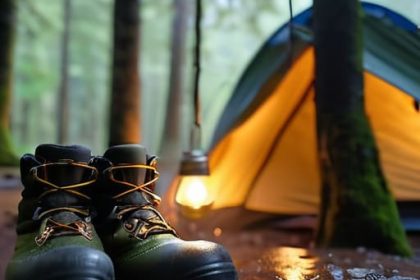
- Check the ground drainage before you commit. I’ve spent too many nights in a damp sleeping bag because a pitch looked flat in the afternoon sun but turned into a shallow pond after a heavy evening shower. Look for slightly raised ground or sandy soil; if the grass looks suspiciously lush or dark, it’s a bog waiting to happen.
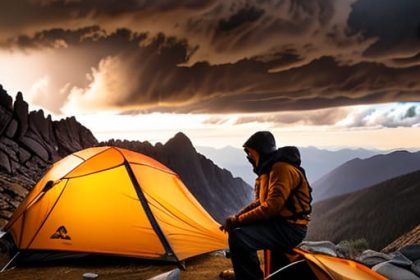
- Evaluate the wind exposure. A family tent is essentially a giant sail if you pick the wrong spot. I always look for natural windbreaks—a thicket of trees or a gentle slope—rather than a wide-open clearing. I’ve used the Vango Force Ten in gale-force conditions on the Lake District fringes for three seasons now, and even then, if you pitch on a ridge, you’re asking for trouble.
- Map the distance to the water source. “Close to water” is a marketing term that can mean anything from a tidy tap to a muddy stream that’s gone dry. If you have kids, you need to know exactly how many meters of walking they’ll have to do to get a drink or wash their hands, especially when they’re tired and the light is failing.
- Inspect the shade and sun exposure. It sounds minor until you’re trying to manage a toddler in a heatwave or a tent that’s become an oven by 10 AM. If you’re camping in mid-summer, you want a site where the trees actually provide some cover, not just a theoretical idea of shade.
- Watch the light, not just the view. A campsite that looks spectacular at 4 PM can become a dark, disorienting maze by 8 PM. If you’re moving gear, setting up pegs, or trying to find the communal toilets with small children, you need to know how much usable light you’ll actually have before the sun drops behind the treeline.
The Final Check Before You Head Out
At the end of the day, choosing a campsite for a family isn’t about finding a postcard-perfect view; it’s about managing the logistics of reality. You’ve looked at the terrain for your toddlers, you’ve checked how far the walk is to the toilets before the sun dips below the ridge, and you’ve assessed whether the facilities can actually handle a group of tired, hungry humans. If you find yourself staring at a site that looks stunning but has zero drainage or is a twenty-minute trek from any help, trust your gut and move on. It is much easier to settle for a slightly more functional, less “scenic” pitch than it is to manage a meltdown or a safety issue in the dark. Remember, the best campsite is the one that lets you actually relax once the tent pegs are in.
There is a specific kind of magic in a successful family camp—the sound of a sleeping bag rustling, the smell of woodsmoke, and that rare, quiet stillness that you only get away from the roads. These trips are often messy, loud, and occasionally exhausting, but they are where the real memories are forged. Don’t let the fear of a little mud or a long walk to the tap stop you from heading out. As long as you have planned for the unpredictable variables and respected the landscape, you are already ahead of most. Pack your kit, watch the clouds, and get out there; the hills are waiting, and they don’t care if your tent is perfectly straight.