I once watched a group of hikers try to prepare a three-course gourmet meal on a ridge in the Cairngorms, right as a front was moving in. They had all the fancy gadgets—vacuum sealers, specialized spices, and heavy ceramic bowls—but they forgot one thing: a steady hand is impossible when the wind is gusting at forty knots and your fingers are numb. Most people think a complete guide to camp cooking needs to be about culinary creativity or high-end gear, but they’ve got it wrong. In the real world, cooking in the wild isn’t about a menu; it’s about caloric efficiency and not making a mess when the weather turns sour.
I’m not here to sell you on expensive titanium sets you’ll only use once, or recipes that require a kitchen timer. My approach is much more pragmatic. I’m going to give you a complete guide to camp cooking based on what actually works when you’re tired, wet, and low on light. I’ll tell you exactly what I’ve carried through horizontal rain and what’s just dead weight in a rucksack. We’ll focus on fuel reliability, heat retention, and the kind of simple, high-energy meals that keep you moving when the daylight starts to fade.
Table of Contents
Outdoor Cooking Equipment Essentials for Real Conditions
When you’re sitting in a damp tent at 400m with the wind buffeting the flysheet, the last thing you want is a temperamental stove. I’ve spent fifteen years testing different portable camping stove types, and the lesson is always the same: reliability beats features every time. For fast-and-light treks, I’ve used the MSR PocketRocket series for over four years in everything from summer heatwaves to sub-zero gusts on the Cairngorms; it’s light, but it needs a windbreak. If you are carrying more weight for a multi-day stint, a liquid fuel stove is more dependable when the temperature drops, though they are a chore to prime when your fingers are numb.
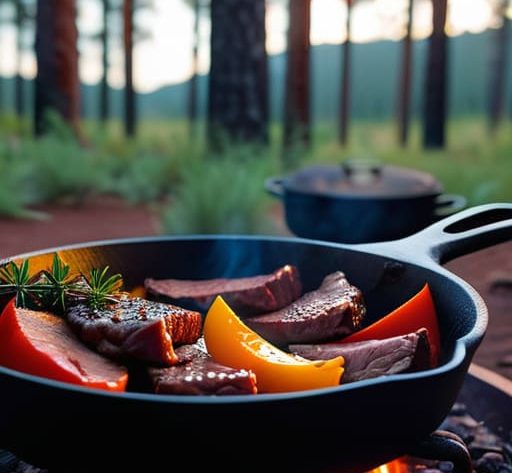
Beyond the heat source, your choice of vessels dictates how much energy you waste. I tend to stick to a single, high-quality titanium pot for my one-pot camping recipes because it keeps the kit minimal and the weight down. I’ve carried a 750ml Toaks pot through roughly sixty days of heavy rain and high-altitude wind, and it hasn’t buckled yet. Avoid oversized, heavy cookware unless you are stationary at a basecamp; in the wild, every gram you carry is a tax on your stamina.
Choosing Between Portable Camping Stove Types Without Regret
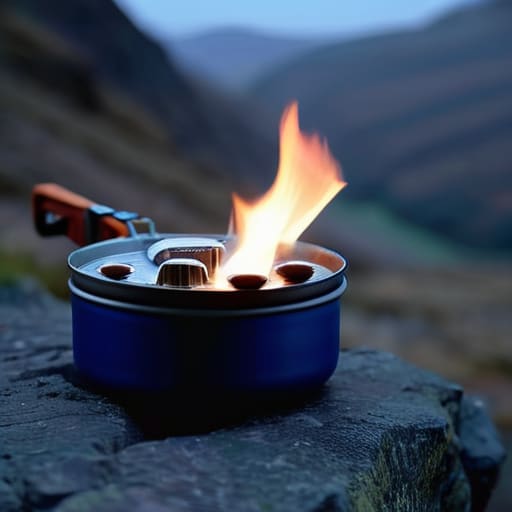
Most people make the mistake of picking a stove based on a glossy photo rather than the wind speed they actually expect to face. If you are sticking to established trails and sheltered sites, a canister stove is the logical choice; they are light, simple, and easy to regulate. I’ve used the MSR PocketRocket series for over six years, mostly on multi-day treks in the Lake District, and while it’s a workhorse, it struggles the moment the wind starts whipping across a ridge. You’ll find yourself fighting the flame just to boil water, which is a frustrating way to end a long day.
If your routes take you into more exposed, high-altitude terrain, you need to look at different portable camping stove types, specifically liquid fuel models. I spent three seasons testing a multi-fuel burner during a particularly wet spring in the Cairngorms, and the ability to burn white gas when temperatures drop is a lifesaver. They are heavier and require more maintenance, but they don’t fail when the weather turns. For most, the decision comes down to a trade-off between weight in your pack and reliability in a gale.
Five Realities of Feeding Yourself When the Wind Picks Up
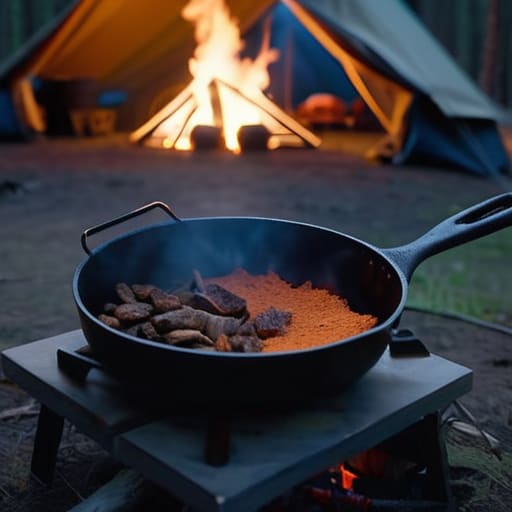
- Forget the idea of a gourmet meal when you’re shivering. I’ve spent many a night in a bivvy bag realizing that a heavy, complex recipe is a liability. Stick to one-pot meals that require minimal stirring and even less cleanup; when your hands are numb and the rain is turning your campsite into a bog, you want to be eating, not performing surgery with a spatula.
- Fuel management isn’t a suggestion, it’s a safety margin. I always pack 20% more gas than my calculated burn suggests. I learned that the hard way three years ago on a ridge in the Cairngorms when a sudden temperature drop meant my canister wasn’t performing at the expected rate. If you run out of fuel in sub-zero conditions, you aren’t just hungry—you’re cold, and that’s a dangerous place to be.
- Weight is a thief that steals your energy. I’ve carried various sets of cutlery over the last decade, and if you aren’t using lightweight titanium, you’re wasting precious grams that could be used for extra calories. I’ve used my MSR Spork through roughly 150 days of varied terrain, from damp valley floors to high-altitude scree, and it hasn’t failed me once.
- Water is your most important ingredient, so don’t treat it as an afterthought. If you’re relying on a filter, test it in your head before you’re exhausted. I’ve seen too many people realize their filter is clogged or broken only when they are two miles from the nearest stream and the sun is dropping. Always carry a small amount of chemical treatment as a backup; it’s light, it’s cheap, and it works when the mechanical stuff fails.
- Wind protection is the difference between a hot meal and a cold disappointment. Even if your stove claims to be “windproof,” don’t trust the marketing. I always carry a lightweight, foldable windscreen or I use my pack and a stone to create a micro-climate. I’ve spent forty days in the field using a small titanium windscreen, and it’s the only reason I’ve managed to boil water in anything resembling a reasonable timeframe when the gusts hit.
The Weight of a Hot Meal
“People focus on the menu, but they should be focusing on the fuel and the wind; a gourmet meal is useless if you’re shivering too hard to hold the spoon or if you’ve carried three extra kilos of unnecessary kit up a ridge only to find the weather has turned your kitchen into a gale-force wind tunnel.”
Bridget Halloran
Final Thoughts Before You Pack
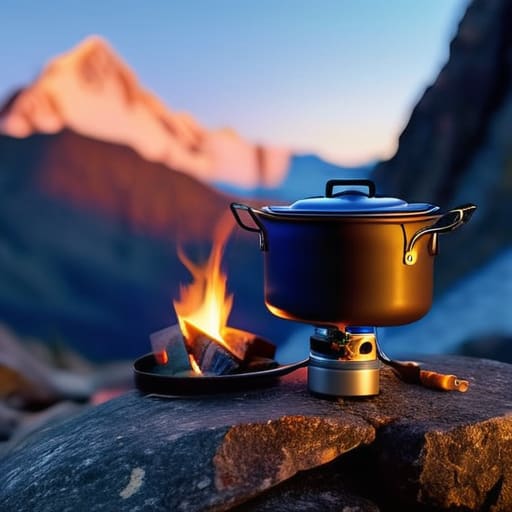
At the end of the day, camp cooking isn’t about replicating a Michelin-star kitchen in a damp tent; it’s about efficiency, fuel management, and caloric density. You need to weigh your stove against your expected wind speeds, choose a pot that won’t make you regret every step on the ascent, and ensure your fuel choice matches your altitude. I’ve spent twenty years seeing how a failed burner or a heavy, awkward kit can turn a planned evening of rest into a frustrating struggle for warmth. If you prioritize gear that works in the wind and food that actually provides sustained energy, you’ve already won half the battle. Don’t overcomplicate the menu, but never underestimate the importance of a hot meal when the temperature drops and the light fails.
There is a specific kind of quiet satisfaction that comes from sitting in the lee of a ridge, listening to the wind howl, while you wait for a simple pot of water to boil. It is one of the few times when the slow, methodical process of preparation feels entirely right. When you stop fighting your gear and start working with the realities of the environment, the mountains feel a little less daunting. Cooking in the wild is a lesson in patience and respecting the elements. Do the prep work, check your fuel levels twice, and remember that the best meal is the one that keeps you warm and ready for tomorrow’s ridge walk.
Frequently Asked Questions
How much fuel weight should I actually pack for a three-day trip if the wind is expected to be gusting on the ridge?
If you’re hitting a ridge with gusting winds, you can’t rely on the standard “grams per meal” math. Wind strips heat from your pot faster than you can boil water, forcing you to burn more just to compensate. For a three-day trip in those conditions, I’d pack at least 230g of gas. I’ve used a standard 100g canister in heavy gusts on the Cairngorms; it disappeared in a single afternoon. Pack the extra.
Is it worth the extra weight of a proper nesting mat and heavy-duty pot, or can I get away with ultralight gear in wet conditions?
If you’re planning on being in the wet, ultralight becomes a liability, not an asset. I’ve spent ten years sleeping in damp conditions, and a thin, flimsy mat won’t stop the ground from sucking the heat right out of you when the temperature drops. I use my 450g Therm-a-Rest Mats every time it rains; they’ve survived five seasons of heavy moisture. Similarly, a heavy-duty pot handles a direct flame without warping. Weight matters, but so does staying warm.
How do I manage calorie intake and hot meals when I'm losing daylight faster than I anticipated?
When the light fails, your priority shifts from “gourmet” to “fuel and warmth.” I’ve seen too many people faffing with complicated recipes in the gloaming, only to end up shivering in the dark. Pack one “emergency” meal—something that requires nothing more than boiling water and zero chopping. Eat your heaviest, most calorie-dense food while you still have enough light to see your hands. Once the sun drops, stop trying to cook; just eat and get into your sleeping bag.