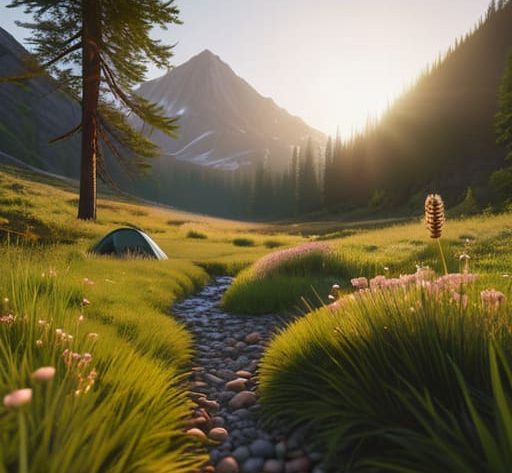
I’ve spent more years than I care to admit watching people arrive at a beautiful, remote glen, only to spend the next six hours fighting a losing battle against a damp sleeping bag. They usually pick the first flat patch of grass they see, completely ignoring the fact that it’s actually a natural drainage channel or a wind tunnel. Most people think knowing how to choose a campsite pitch is just about finding level ground, but if you aren’t looking at the micro-topography, you’re essentially inviting the weather to ruin your night. I once spent a miserable, shivering night in the Cairngorms because I was too tired to notice I’d pitched right in the path of a nocturnal runoff; I learned then that a view is worth nothing if you’re sleeping in a puddle.
I’m not here to sell you on some high-tech, ultralight way to “optimize” your experience with expensive gadgets. I’m going to tell you the unglamorous truth about reading the land, spotting the subtle signs of drainage, and understanding how a slight dip in the ground can become a lake by 3 AM. This is about practical, survival-based decisions that ensure you actually wake up feeling rested rather than damp and defeated.
Table of Contents
A Terrain Assessment for Campers Reading the Ground First

When I’m looking for a spot, I’m not just looking for a pretty view; I’m looking for how the ground behaves when the weather turns. A proper terrain assessment for campers starts with the slope. You might think a slight incline is fine, but once you’re tucked into your sleeping bag, even a two-degree tilt feels like a slide toward the bottom of the tent. You want level ground for your tent, but more importantly, you need to look for the subtle dips. I’ve spent too many nights waking up in a cold, damp mess because I ignored a shallow depression that looked dry at sunset but became a miniature lake after an hour of heavy rain.
You also have to read the drainage. Avoiding low lying areas is non-negotiable. If the ground feels spongy or if there’s a concentrated patch of darker, wetter moss, move on. I’ve learned the hard way that water follows the path of least resistance, and that path often leads straight through your vestibule. Check the micro-topography for any signs of runoff from higher ground; you want to be on a slight rise, not in a natural collection point.
Avoiding Low Lying Areas Before the Clouds Break
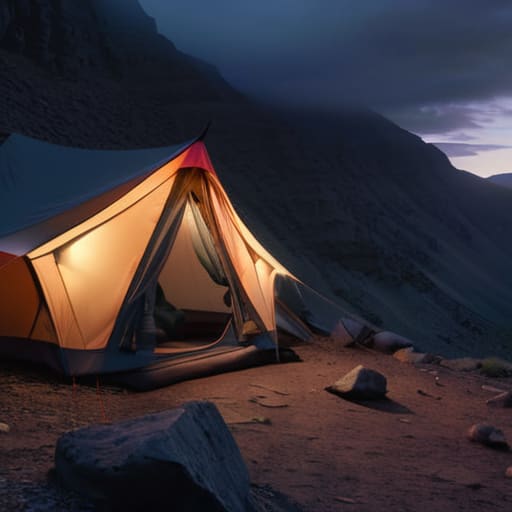
One of the biggest mistakes I see people make during wild camping site selection is picking a spot simply because it looks flat and inviting in the twilight. They find a hollow, set up, and feel quite smug about finding level ground for a tent—until the weather turns. When you are avoiding low lying areas, you aren’t just looking for dry soil; you are looking for where the water is going to go. In my experience, even ground that looks bone-dry at 4 PM can become a shallow stream by 2 AM if you’ve pitched in a natural drainage dip or a dry riverbed.
I’ve spent too many nights listening to the sound of water pooling against my flysheet because I ignored the subtle slope of the land. You want to be high enough to stay dry, but not so high that you’re acting as a lightning rod or losing your heat to the wind. Aim for a slightly elevated, well-drained shelf. It’s better to deal with a slightly slanted sleeping pad than to wake up in a damp, cold microclimate that you can’t escape.
Five things I check before I even take the tent out of my pack
- Look up before you look down. I’ve seen too many people pitch perfectly on flat ground only to have a dead branch the size of a forearm drop on them during a gust. If you see a canopy of deadwood or branches hanging at awkward angles, move on. It isn’t worth the risk.
- Wind is the silent camp-killer. I’ve spent thirty-two days in the Cairngorms over the last three seasons, and I can tell you that a “light breeze” in the valley becomes a gale on a ridge. Find a natural windbreak—a large boulder or a thicket of scrub—but don’t pitch right in the teeth of it. Position your tent so the narrowest profile faces the prevailing wind.
- Watch the vegetation, not just the dirt. If you’re looking at a patch of ground covered in thick, lush green moss, it’s a sponge. I’ve woken up in a damp sleeping bag more times than I’d like because I chose “soft” ground that turned out to be a saturated peat bog. Look for firmer, slightly drier grass or even packed mineral soil if you can find it.
- Respect the “social” distance. If you’re wild camping, don’t pitch within sight of a footpath or a known water source. I’ve spent years as a ranger managing visitor impact, and the best way to keep the landscape pristine—and to keep your own peace—is to stay out of the corridor. Give yourself at least 50 metres of buffer from the track.
- Check your light budget. It sounds trivial until you’re trying to pitch a tent in the gloaming with a dying headlamp. If you’ve reached your site at 7 PM and the sun is already dipping behind the ridge, don’t hunt for the “perfect” spot. Pick the first safe, dry, level patch you see and get the flysheet on before you lose the ability to see your own hands.
The cost of a bad decision
I’ve seen enough people wake up at 3 AM in a soaked sleeping bag to know that a ‘flat spot’ isn’t enough; if you don’t account for the micro-drainage and the way the wind funnels through that specific dip in the ridge, you aren’t camping, you’re just waiting to get cold.
Bridget Halloran
The final decision
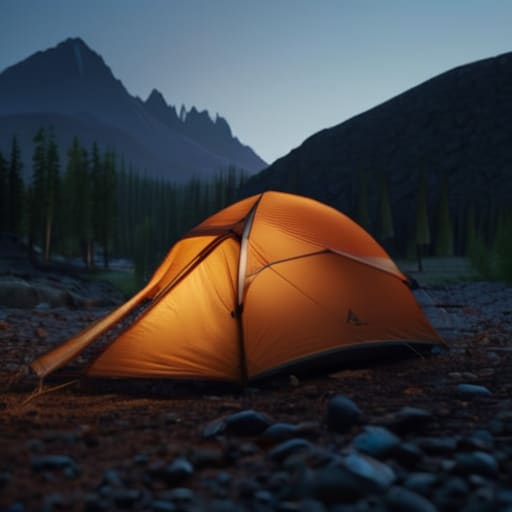
At the end of the day, choosing a pitch is about managing the variables you can actually control. You’ve looked for the drainage, you’ve checked for the wind tunnels, and you’ve made sure you aren’t sitting in a natural collection point for a sudden downpour. Remember that a site that looks perfect in the golden hour of 5 PM can become a completely different environment once the temperature drops and the wind picks up at midnight. Don’t let your ego push you into a spot that feels “right” just because it has a better view; if the ground is uneven or the exposure feels wrong, trust your gut and move. It is much easier to carry your pack another fifty yards than it is to spend a night fighting a soaked sleeping bag.
There is a specific kind of quiet that comes when you finally settle into a well-chosen spot, the tent is secure, and you realize you’ve actually prepared for the night ahead. That sense of security is what allows you to actually experience the landscape rather than just surviving it. The mountains aren’t going anywhere, and they certainly won’t mind if you decide to pitch up a little further down the valley where the ground is more forgiving. When you stop fighting your environment and start reading it correctly, the outdoors stops being something to endure and starts being something you can truly belong to.
Frequently Asked Questions
How do I know if a patch of ground is actually solid enough to hold a tent, or if I'm going to sink halfway through the night?
Don’t just trust your eyes; trust your boot. I’ve spent too many nights waking up tilted because I pitched on a patch of moss that looked lush but was actually a sponge over peat. Give the ground a firm stomp or a poke with your trekking pole. If there’s any give, or if the soil feels spongy underfoot, move on. You want compacted mineral soil or short, tough grass. If it feels soft now, it’ll be a bog by midnight.
What should I be looking for when it comes to wind direction and natural shelter on an exposed ridge?
On a ridge, the wind isn’t just a nuisance; it’s a heat thief. I’ve spent too many nights huddled in a tent that was acting like a sail because I pitched in a gap between two boulders. Look for the lee side of a large rock or a dip in the crest, but watch out for venturi effects—wind accelerates through narrow gaps. If you can’t find a natural break, pitch your tent with the smallest profile facing the wind.
How do I balance the desire for a good view with the practical need to stay out of the wind and away from the elements?
It’s the classic mistake: choosing a pitch because the sunset looks spectacular, only to spend the night fighting a gale. I’ve seen too many people freeze because they prioritised a view over a windbreak. If you want the view, find a spot behind a natural lee—a boulder, a thicket, or a dip in the land. You can see the horizon through the mesh, but the wind won’t be trying to rip your pegs out.