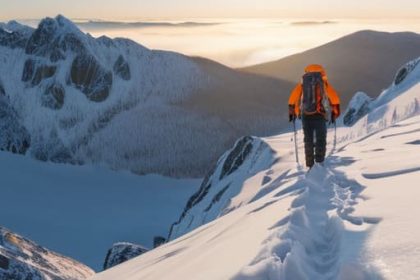
I spent ten years watching people buy the most expensive, high-tech training programs and carbon-plated shoes, only to see them struggle to maintain a steady pace on a simple, sodden incline. Most “complete guide to outdoor fitness” articles online are written by people who think a fitness journey is just a series of aesthetic milestones or expensive gym sessions. They forget that the real test isn’t how much you can bench press in a climate-controlled room, but how your lungs and legs hold up when the wind is gusting at forty miles per hour and your pack feels ten kilos heavier than it did at the trailhead.
I’m not here to sell you on a lifestyle brand or a collection of supplements. My promise is much more practical: I am going to give you a no-nonsense framework for building the kind of functional, resilient strength that actually matters when you’re miles from the nearest road. We will focus on the grit of endurance, the reality of load carriage, and the physiological preparation required to handle the unpredictable. If a method hasn’t survived a day of horizontal rain and steep terrain in my experience, I won’t be recommending it.
Table of Contents
Natural Terrain Training When the Ground Stops Being Level
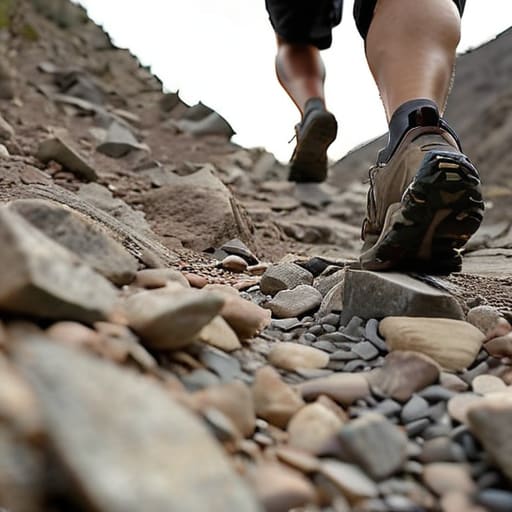
If you spend all your training time on a treadmill or a flat, paved park path, you are lying to yourself about your actual fitness level. The moment you step onto a real ridge or a scree slope, your stabilizer muscles—the ones that actually keep you upright when the ground decides to shift—will realize they’ve been neglected. Natural terrain training isn’t about hitting a specific heart rate; it’s about teaching your ankles, knees, and hips to react to the unpredictable. I’ve seen plenty of people with impressive gym stats crumble on a simple descent because they haven’t practiced moving on uneven surfaces.
When I’m looking to build my own outdoor conditioning routines, I head for the steepest, most technical trails I can find. I don’t need fancy outdoor workout equipment; I just need a hill that makes my lungs burn and a surface that isn’t predictable. If you can’t maintain your footing on a wet, root-strewn slope, you aren’t ready for a multi-day trek. Focus on single-leg stability and controlled descents. It’s the “boring” strength work that prevents the nasty rolled ankles I’ve seen too many times in the field.
Outdoor Conditioning Routines That Actually Prepare You for Reality
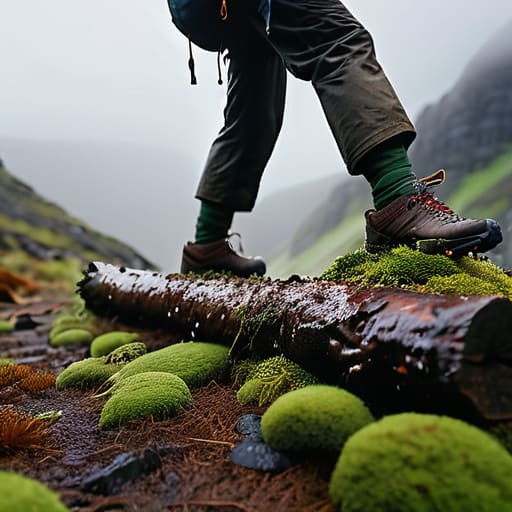
Most people train for the outdoors on a flat, predictable gym floor, but your knees won’t care about that when you’re descending a scree slope in a gale. Real-world preparation requires outdoor conditioning routines that mimic the instability of the hills. I don’t use fancy gym machines; I find that simple, functional movements—like single-leg balances on uneven grass or weighted step-ups on a fallen log—do more to prep your stabilizer muscles for the reality of a descent. If you can’t maintain control on a patch of damp moss, you won’t maintain it on a granite ridge.
I’ve spent the last four years incorporating trail running benefits into my weekly rhythm, even when the weather is rubbish. It’s not about speed; it’s about teaching your ankles and core to react to the micro-adjustments the ground demands. If you’re looking for something more structured, look for bodyweight exercises for parks that focus on lateral movement and eccentric strength. You need to be able to brake your weight effectively. I’ve tested this approach through dozens of autumn traverses, and the difference in fatigue levels by the time you hit the final mile is night and day.
The Small Variables That Keep You Moving When Things Get Heavy

- Stop training on the treadmill and start training on the uneven stuff. I’ve seen too many people arrive at a trailhead with great cardiovascular stats but zero ankle stability because they’ve spent six months on a flat, predictable surface. If your feet haven’t had to negotiate a loose scree slope or a muddy, root-choked descent, your fitness is an illusion that will vanish the moment you hit a real ridge.
- Respect the weight of your pack before you head out. I’ve carried the same Osprey Talon for seven years—it’s seen everything from three-day treks in the Highlands to heavy gear hauls in driving rain—and the lesson is always the same: your fitness level changes the moment you add ten kilos to your back. Don’t just train for your body weight; train for your body weight plus the kit, the water, and the extra layer you’ll inevitably need when the wind picks up.
- Build your aerobic base around “slow and steady” rather than “fast and furious.” Most people think fitness means sprinting up a hill, but mountain leadership is about endurance over duration. I’d rather see someone who can maintain a steady, rhythmic pace for six hours in a damp environment than someone who can smash a 5k personal best but gasses out halfway up a steady ascent.
- Train for the descent, not just the climb. Everyone focuses on the lung-burning ascent, but it’s the eccentric loading on the way down that destroys your knees and quad muscles. I spent years watching hikers make the mistake of pushing too hard on the way up, only to find they lacked the muscular control to navigate a steep, technical descent safely once they were fatigued.
- Learn to read your own fatigue as a safety metric. Real outdoor fitness isn’t just about how much you can do; it’s about knowing when your decision-making is starting to fray due to exhaustion. If you find yourself making “optimistic” mistakes—like skipping a snack or ignoring a darkening sky because you’re too tired to turn back—that is your body telling you that your current level of fitness has been exceeded.
The Difference Between a Gym and a Ridge
“A treadmill can tell you how fast your heart is beating, but it won’t tell you how your ankles feel after six hours of scree, a sudden drop in barometric pressure, and a pack that’s ten kilos heavier than you thought it would be; real fitness isn’t about how much you can lift in a controlled room, it’s about how much resilience you have left when the weather decides to change its mind.”
Bridget Halloran
The Reality of the Long Game
At the end of the day, outdoor fitness isn’t about hitting a specific number on a gym machine or how many miles you can clock on a flat pavement. It’s about building a body that can handle the unpredictable variables—the sudden descent into a boggy valley, the heavy pack on a steep ascent, or the unexpected wind that makes every step feel twice as heavy. We’ve talked about training on uneven ground and why your conditioning needs to mirror the actual terrain you intend to walk. If you only train on level surfaces, you are essentially preparing for a version of the outdoors that doesn’t actually exist. Focus on functional stability and steady, incremental progress; that is what will keep you moving when the fatigue sets in and the light starts to fade.
Don’t aim for perfection, aim for resilience. The mountains don’t care about your training schedule, and they certainly don’t care about your ego. They only care about whether you have the strength and the judgment to navigate them safely. If you approach your fitness with the same respect you show a shifting weather forecast, you’ll find that the hills become less of an adversary and more of a home. Get out there, test your limits in manageable ways, and remember that the best gear and the best training are ultimately useless if you haven’t learned when to respect the environment.
Frequently Asked Questions
How much weight should I actually be adding to my pack during training without risking a knee injury?
Start with 10% of your body weight. I’ve seen too many people try to mimic a full expedition load on day one and end up with patellar tendonitis before they’ve even reached the ridge. I’ve used my Osprey Farpoint for five years, mostly with 6–8kg for day hikes, and that’s the sweet spot for conditioning. Increase by no more than 1–2kg a week. If your knees ache during the descent, you’ve gone too far.
When the forecast says 'moderate winds' but I'm heading into a high ridge, how much extra physical conditioning do I need to account for the stability loss?
It’s not just about strength; it’s about micro-adjustments. When a gust hits you on a ridge, your stabilizer muscles—ankles, knees, and core—are working overtime to keep you upright. I’ve spent fifteen years seeing people’s legs give out not because they were “out of shape,” but because their stabilizers weren’t used to the constant, jarring corrections. If you’re training, focus on single-leg stability and eccentric strength. You need to be able to absorb a sudden lateral shove without your knees buckling.
Is it better to train for raw cardiovascular endurance or should I be focusing more on the slow, heavy strength needed for steep, technical ascents?
If you’re choosing between the two, you’re looking at it wrong. You need both, but for different reasons. Cardiovascular endurance keeps you moving when the day stretches longer than you planned, but it’s that slow, heavy strength that keeps your knees from buckling on a 1,000m descent in the rain. I’ve seen too many fit runners get sidelined by technical terrain because their lungs were fine, but their stabilizers weren’t. Train for the climb, but prepare for the descent.