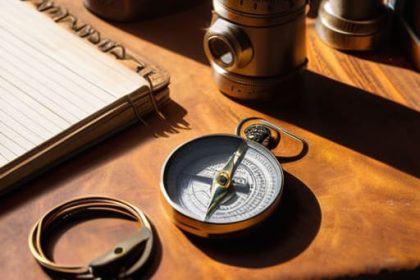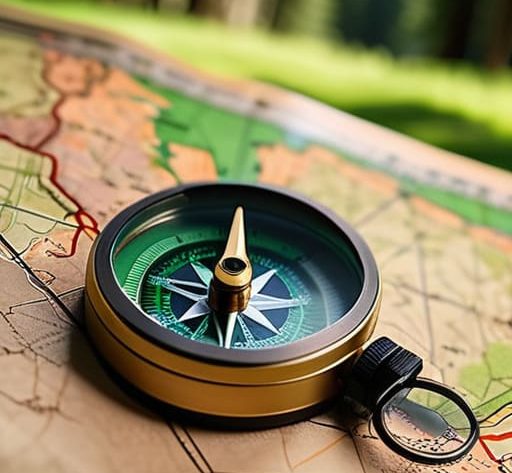
I remember standing on a saturated ridge in the Cairngorms, watching a client try to steady a cheap, plastic baseplate compass while the wind was trying to peel his shell right off. He was squinting at a needle that was bouncing so violently it might as well have been a spinning top, and in that grey, featureless light, he had no idea where he was. Most people think learning how to choose a compass is about finding the most expensive gadget with the most bells and whistles, but that’s a dangerous way to think. A compass isn’t a luxury; it’s a sanity check when the clouds drop and your sense of direction goes out the window.
I’m not here to sell you on some high-tech, over-engineered piece of kit that you’ll only use once before losing it in a scree slope. I’m going to tell you what actually matters: the stability of the needle, the legibility of the housing when your fingers are numb, and whether the scale is actually useful for the terrain you’re walking. I’ll give you the honest truth on what I’ve carried through horizontal rain and what stays in my kit bag, because the right tool should be an extension of your hand, not another thing to struggle with.
Table of Contents
Why Liquid Filled Compass Accuracy Matters When the Fog Rolls in
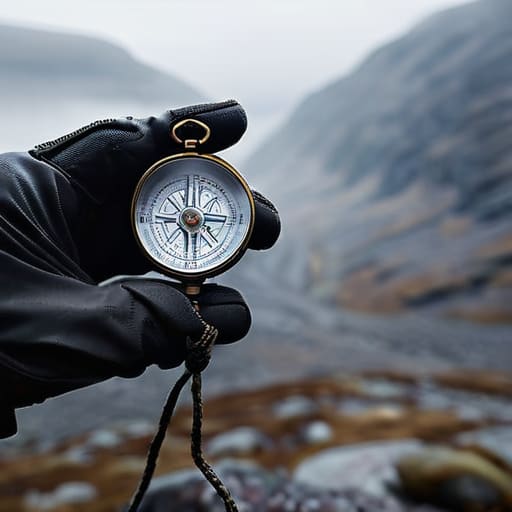
There is a specific kind of panic that sets in when the visibility drops from a hundred meters to five in a matter of minutes. I’ve stood on several ridges in the Cairngorms where the world simply vanishes, leaving you with nothing but a grey void and the sound of wind. In those moments, your map and compass skills are the only thing keeping you on the path and off a scree slope. If you are using a cheap, poorly made tool, that is when you’ll notice the flaws. A low-quality needle that wobbles or drags because of poor construction isn’t just annoying; it’s a liability when you are trying to take a precise bearing to find a specific contour line.
When the fog rolls in, you aren’t just glancing at a direction; you are likely orienting the compass repeatedly to stay on a narrow traverse. I’ve used the Silva Expedition model for over six years in everything from damp woodland to sub-zero peat hags, and the reason I stick to it is the stability. You need liquid-filled compass accuracy that holds steady even when your hands are shaking from the cold. If the fluid is full of bubbles or the damping is inconsistent, you’ll find yourself making micro-errors in your heading that, over two kilometers, will put you a hundred meters off course—usually in the wrong direction entirely.
Navigational Compass Types for When Your Phone Dies
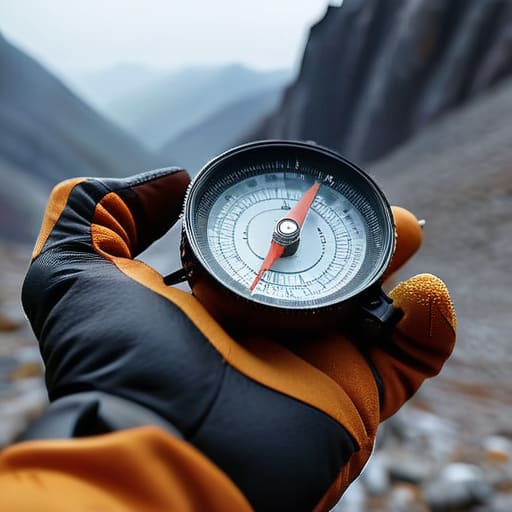
When your phone dies—and in a high-altitude wind chill, it will—you aren’t just losing a GPS; you’re losing your primary sense of certainty. This is where understanding the different navigational compass types becomes a matter of survival rather than a hobbyist’s nuance. Most people gravitate toward the baseplate model because they are light and easy to overlay on a map, which is fine for a stroll through the valley. However, if you are moving through scree or heavy heather, a dedicated lensatic compass is often more robust. I’ve carried a Suunto MC-2 for over seven years through everything from the damp Lake District to freezing Scottish winters, and its reliability when the visibility drops to zero is why I won’t touch anything else.
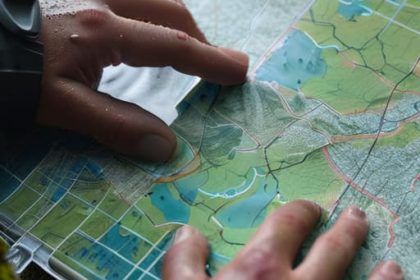
If you are serious about map and compass skills, you need to look specifically for a declination adjustment compass. I spent three days testing a budget model last autumn to see if the lack of adjustment mattered; it does. Trying to manually calculate magnetic declination in the dark while your fingers are numb is a recipe for a very long, very wrong walk. A compass that allows you to set that offset once and forget it means you can focus on the terrain, not on mental arithmetic.
Five things that actually matter when you’re staring at a needle in the rain
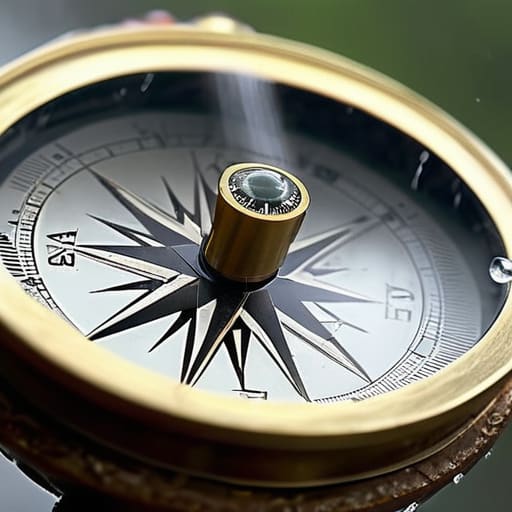
- Check the housing stability. I’ve spent too many hours in the Cairngorms trying to steady a cheap, plastic housing that wobbles every time a gust hits you. You want a housing that feels solid and a needle that settles quickly; if it’s dancing around because of poor damping, you’re going to misread your bearing right when you need it most.
- Prioritise baseplate transparency. It sounds like a minor detail until you’re trying to overlay a map on a steep, wind-swept slope. I’ve used the Silva Expedition model for about six years in everything from summer treks to mid-winter traverses, and the clarity of that plastic is the difference between a confident reading and a mistake.
- Look for a sighting mirror that doesn’t feel like a toy. If you’re choosing a prismatic or mirror compass, the mechanism needs to be robust. I once saw a group try to use a lightweight model where the mirror was so flimsy it wouldn’t stay at the correct angle in a ten-knot breeze, making it impossible to sight a distant crag.
- Don’t ignore the scale and detail on the baseplate. You need to be able to see the millimetre markings clearly without squinting. If the print is too fine or the markings are too close to the edge, you’ll find yourself constantly second-guessing your measurements when the light is failing and your hands are starting to go numb.
- Verify the declination adjustment. If you are heading into areas with significant magnetic declination, don’t rely on doing the mental math in your head while you’re tired and cold. I always look for a compass with a dedicated, adjustable screw for declination; it’s one less variable to mess up when the weather turns and your brain starts to fog.
The cost of an optimistic purchase
I’ve seen too many people buy a compass because it looks good in a catalogue or fits easily in a pocket, only to find out halfway up a ridge in a gale that the needle is bouncing like a pinball or the housing is too stiff to turn when their fingers are numb. You aren’t just buying a piece of plastic; you’re buying the ability to make a correct decision when you’re tired, cold, and the visibility has dropped to ten metres.
Bridget Halloran
The final decision
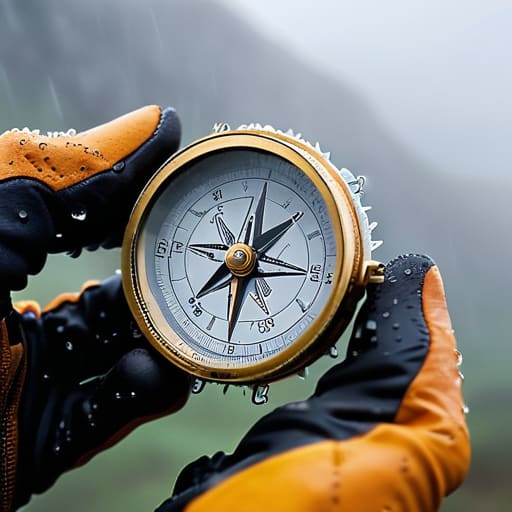
At the end of the day, choosing a compass isn’t about finding the most expensive piece of engineering; it’s about finding the one that won’t become a liability when the visibility drops to five metres. You need to weigh up whether you require a baseplate model for map work or a reliable sighting compass for those moments when you’re navigating a featureless ridge in a gale. Remember that reliability is non-negotiable. Whether it is the stability of the liquid damping or the ease of reading the scale with cold, clumsy fingers, every detail matters. I’ve seen too many people pack a lightweight gadget only to realize it’s useless when the wind starts howling, so buy for the worst conditions you expect to face, not the best ones you hope for.
Once you have that tool in your hand, the real work begins. A compass is just a piece of plastic and magnetized metal until you put in the hours of practice on low-stakes terrain. Don’t wait until you are shivering in a whiteout to figure out how to take a bearing. Get out there, walk the familiar paths, and learn the rhythm of your gear while the sun is still up and the light is kind. The mountains don’t care about your intentions, only your preparation, but there is a profound, quiet confidence that comes from knowing exactly where you are standing when the rest of the world disappears.
Frequently Asked Questions
How much does the actual weight of the compass matter when I'm already carrying a heavy pack for a multi-day trek?
Look, if you’re carrying a sixty-litre pack, an extra thirty grams isn’t going to break you. I’ve carried heavy loads through the Cairngorms in sleet that would soak you to the bone, and I didn’t care about the weight of my compass then. But weight matters for accessibility. I’ve used the Silva Ranger for six years in everything from dry summer treks to freezing mist; it’s heavy enough to feel substantial in a numb hand, but light enough that I don’t regret having it clipped to my harness. Don’t shave grams off your navigation tools to save a handful of calories; you’ll regret it when you’re fumbling for a featherweight toy in a gale.
If I'm navigating in high winds or freezing temperatures, will a smaller, more compact compass be harder to use?
Yes, they absolutely will be. I’ve spent too many evenings in a gale on the Cairngorms trying to steady a tiny, miniature compass while my fingers were losing all sensation. A compact model might save ten grams in your pack, but if the housing is too small to grip or the baseplate is too narrow to hold steady against a gust, it’s just a liability. Go for something with a bit of heft and a larger, legible scale.
Are there specific features I should look for to ensure I can actually read the map and compass together when the light is failing?
Look for a high-contrast dial—black markings on a pale background are much easier on the eyes than white on black when the light’s failing. Check that the housing is large enough to hold; you don’t want to be fumbling with a tiny, fiddly thing when your fingers are numb. Most importantly, ensure it has decent luminous markings. I’ve used the Silva Expedition series for over six years in low light, and the glow is reliable enough to actually find your bearings without a headtorch constantly in your face.