I remember sitting on a granite outcrop in the Cairngorms back in 2012, watching a pair of peregrines circling a ledge through a veil of sleet that felt like it was trying to peel the skin off my face. Most people think understanding how migration works is about studying colorful maps or reading tidy textbook diagrams of seasonal shifts. They treat it like a predictable, clockwork machine. But when you’re standing in a gale, watching a bird navigate a landscape that is actively trying to kill it, you realize that migration isn’t a schedule; it’s a high-stakes gamble against wind, visibility, and the sheer exhaustion of moving thousands of miles on nothing but instinct and grit.
I’m not here to give you the polished, sanitized version you’ll find in a glossy nature magazine. I want to talk about the actual mechanics of survival—the way weather fronts dictate a flight path or how a single week of late frost can derail an entire species’ timeline. I’ll be stripping away the romanticism to look at the hard logistics of movement. You won’t find any vague generalities here, just the unfiltered reality of how these animals actually navigate the world when the conditions turn sour.
Table of Contents
Biological Triggers for Migration and the Cost of Staying
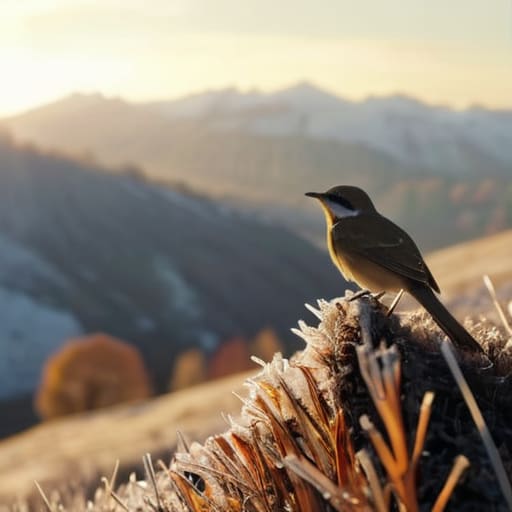
Migration isn’t a choice made in a moment of whim; it is a physiological demand that feels less like a decision and more like a slow-burning fuse. For most species, the biological triggers for migration are rooted in a tightening window of resources. I’ve spent years watching the light change on the high ridges, and you can see it in the birds too—a subtle shift in behavior as the photoperiod shortens. It isn’t just about the temperature dropping; it’s about the internal clock sensing that the caloric cost of staying will soon outweigh the energy available to find food.
Staying put when the window closes is a gamble with terrible odds. We often talk about instinct versus learned migration, but for many, it’s a hardwired survival mechanism. If a species misses that narrow exit, they aren’t just “unlucky”—they are facing a total collapse of their energy reserves. It’s a brutal math: the energy spent staying must be less than the energy gained by staying. When that equation flips, the movement becomes non-negotiable.
Seasonal Migration Patterns Navigating the Changing Terrain
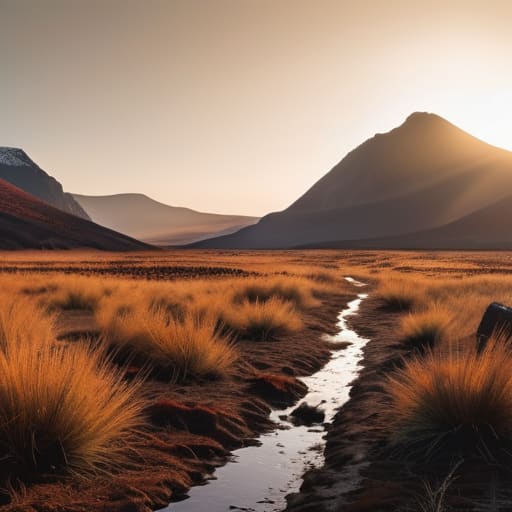
When I’m out on a ridge in late October, watching the light fail earlier every day, I can’t help but think about the sheer logistics of survival. For most species, seasonal migration patterns aren’t a choice made on a whim; they are a calculated response to the dwindling resources I see slipping away under the frost. It’s not just about the temperature dropping. It’s the shift in the entire landscape—the drying of the peat, the disappearance of specific insect hatches, or the sudden, brutal lack of cover.
The timing has to be precise. If a species moves too early, they burn through fat reserves they can’t replace; too late, and they’re caught in a sudden freeze that no amount of instinct can mitigate. This is where the tension between instinct vs learned migration becomes visible. I’ve seen young birds follow old routes with a mechanical precision, yet they still struggle when the traditional landmarks—the very geography of their journey—are altered by a season of extreme weather. It’s a high-stakes game of navigation where the margin for error is as thin as a mountain mist.
The Survival Math: Reading the Signs of Movement
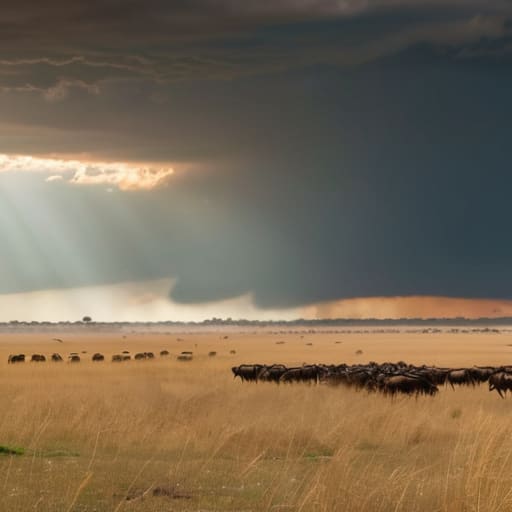
- Don’t mistake a change in temperature for a change in season. For most birds, it isn’t the cold that triggers the move, but the shift in food availability; by the time you feel the first frost on the ridge, the decision to leave was made weeks ago when the insect hatches began to fail.
- Watch the light, not just the thermometer. Photoperiodism—the changing length of the day—is the most reliable clock in the wild, and unlike a sudden weather front, it doesn’t lie or fluctuate, providing the biological cue that it’s time to fuel up and move.
- Understand that migration is a high-stakes energy gamble. An animal isn’t just traveling; it is burning through fat reserves that it cannot easily replace, meaning any delay caused by poor weather isn’t just an inconvenience—it’s a caloric deficit that can lead to death.
- Look for the ‘stopover’ strategy rather than a straight line. Successful migration relies on specific, high-quality habitats that act as refueling stations; if those patches of ground are degraded or lost, the entire migratory chain can snap, regardless of how strong the individual birds are.
- Respect the window of opportunity. In my years tracking raptors, I’ve seen how a single week of unseasonable wind or heavy rain can disrupt an entire migration corridor, proving that timing is the difference between a successful journey and a catastrophic loss of life.
The Margin of Error
People think of migration as this grand, sweeping movement, but when you’re watching a raptor try to navigate a shifting thermal or a flock fighting a headwind, it looks a lot more like a desperate calculation. It’s not about the destination; it’s about the brutal math of survival—calculating exactly how much energy you have left against how much the weather is about to take from you.
Bridget Halloran
The Margin for Error
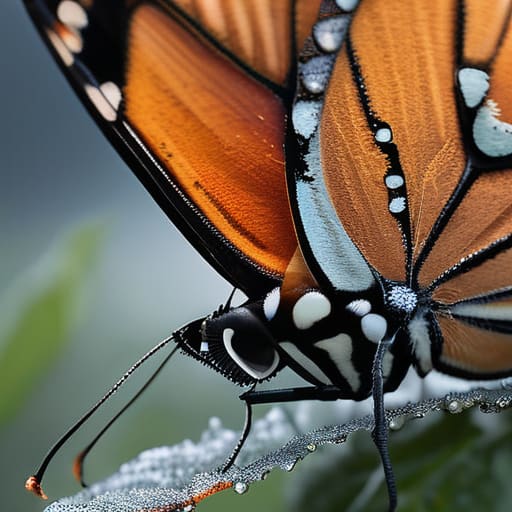
When you strip away the grand imagery of sweeping flocks and endless journeys, migration is actually a brutal exercise in risk management. It is a calculated gamble driven by biological necessity, where animals must weigh the metabolic cost of staying against the sheer, exhausting physics of moving. We have looked at how internal triggers set the clock, how seasonal shifts dictate the route, and how the environment provides both the map and the obstacles. Ultimately, migration isn’t a choice made in a vacuum; it is a constant negotiation with survival, where the timing of a single storm or a slight delay in food availability can mean the difference between a successful season and a total collapse of the local population.
Watching these patterns unfold from a ridge—whether it is the arrival of raptors in the spring or the quiet departure of songbirds before the first frost—reminds me that nature rarely asks for permission. It simply responds to the reality of the landscape. There is a profound, quiet lesson in that resilience. We often think of the wild as something static to be visited, but it is actually a relentless, moving target. Understanding these movements doesn’t just help us track wildlife; it helps us respect the delicate, razor-thin margins that keep the natural world in balance, even when the weather turns and the window of opportunity begins to close.
Frequently Asked Questions
How much does a sudden, unpredicted shift in weather actually disrupt a migration window for birds?
It’s not just a delay; it’s a potential catastrophe. A sudden storm doesn’t just push a window back by a day; it can exhaust the fat reserves a bird needs to actually make the flight. I’ve watched weather fronts turn a routine crossing into a survival struggle. If the wind shifts or a cold snap hits mid-transit, they aren’t just “late”—they’re often too depleted to reach the next stop. One bad night can break the whole chain.
What are the specific signs that a species is about to move, and can we see those changes in the local landscape before they leave?
You’ll see it in the restlessness. Before a major shift, the landscape feels “on edge.” I’ve spent years watching raptors; they don’t just leave, they scout. You’ll notice a sudden spike in feeding frenzy activity or a change in vocalization patterns—noisier, more frantic. On the ground, look for the subtle shifts in insect hatches or the way certain plants seed. If the birds are suddenly hyper-focused on specific forage, they’re fueling up. The window is closing.
How do migratory animals manage to find reliable food sources and nesting sites when the terrain they rely on has been altered by human activity?
It’s a brutal game of diminishing returns. I’ve spent years tracking raptors, and you see it: the traditional waypoints are being erased by sprawl or poorly managed land. Animals aren’t just navigating terrain; they’re navigating a moving target. They rely on instinctual memory, but when a valley they’ve used for generations is suddenly fenced off or stripped of cover, that instinct becomes a trap. It forces them into smaller, more competitive pockets, often right where they’re most vulnerable.