I’ve spent twenty-two years watching people pack for the mountains, and most of them are following the wrong kind of advice. You’ll see influencers pushing high-tech, ultra-expensive gadgets that look great in a sunlit studio but fail the moment the temperature drops below zero and the wind starts howling off a ridge. They promise a seamless adventure, but they never mention the reality of wet socks, heavy packs, or that specific, sinking feeling when you realize your “essential” kit isn’t actually doing its job. If you are looking for a glossy, superficial list of products to buy, this isn’t it; a real complete guide to multi day trips isn’t about what you can buy, it’s about how you think when the weather turns.
I’m not here to sell you on a lifestyle or repeat a marketing brochure. Instead, I’m going to give you the unvarnished truth about what actually matters when you’re miles from the nearest road. I’ll talk about the weight of your gear, the importance of knowing when to turn back, and the boring, vital details like layering and timing. This is my no-nonsense contract with you: I will only tell you what I have personally tested in the field, and I will tell you exactly how it failed me if it did.
Table of Contents
Trail Planning Strategies That Actually Account for Bad Weather
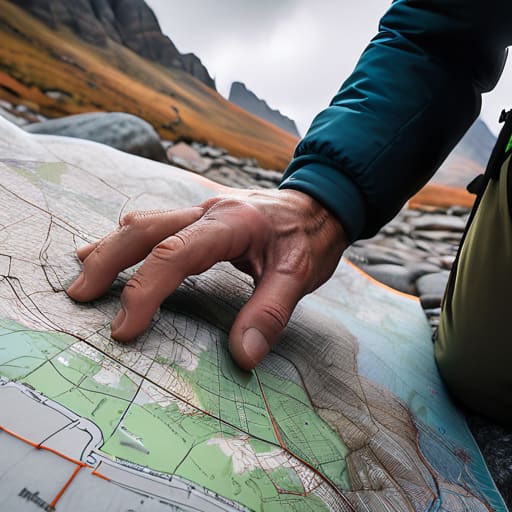
When I’m sitting down with a map, I’m not just looking at the distance between Point A and Point B; I’m looking for the “exit ramps.” Most people plan their routes based on a best-case scenario, assuming the wind stays at ten knots and the clouds stay below the ridge line. That’s a mistake. Effective trail planning strategies require you to identify low-level contour lines and sheltered valleys long before you leave the house. If your route relies on a single high-altitude pass that becomes a death trap in a sudden sleet storm, you haven’t planned a route; you’ve planned a gamble.
I always build a “Plan B” into my itinerary for every single day. This means mapping out alternative, lower-elevation routes that can be reached within an hour of realizing the weather is turning. It’s about anticipating the shift from a sunny afternoon to a horizontal rain event. You also need to factor in how much your pace will drop when the terrain gets boggy or the wind picks up. If you don’t account for the mental and physical toll of fighting a headwind, you’ll find yourself caught in the dark, far from camp, simply because you were too optimistic about your daylight budget.
Backpacking Gear Essentials Weight vs Survival Reality
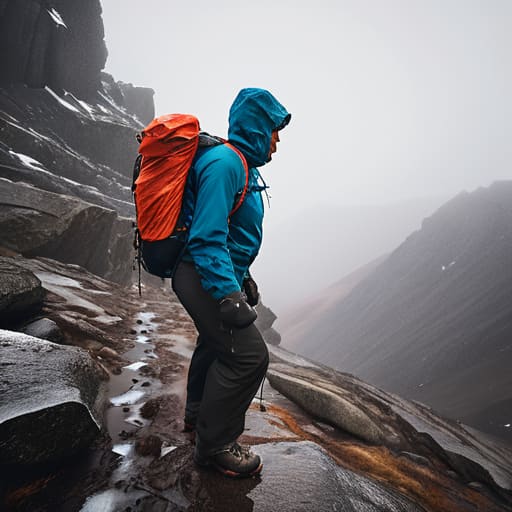
The obsession with “ultralight” culture has reached a point where people are stripping their packs down to nothing, forgetting that a lighter bag doesn’t mean a lighter workload when the wind picks up. I’ve spent fifteen years testing different setups, and I’ve seen more people suffer from hypothermia because they prioritized a 400g weight saving over a proper, robust shell. When it comes to backpacking gear essentials, you have to weigh the gram against the reality of a sudden temperature drop. I use my Arc’teryx Beta AR jacket in everything from heavy rain to sleet on the Cairngorms; I’ve worn it through roughly forty days of actual mountain use in sub-zero conditions, and it’s never failed me.
The math is simple: if you sacrifice your safety margin to save weight, you aren’t being efficient, you’re being reckless. Managing hiking fatigue becomes ten times harder when you are shivering or struggling with gear that lacks durability. I don’t care how sleek a tent looks in a catalog; if it can’t stand up to a 40mph gust while you’re trying to eat, it’s dead weight.
The Small Decisions That Stop a Trip from Turning Into a Rescue
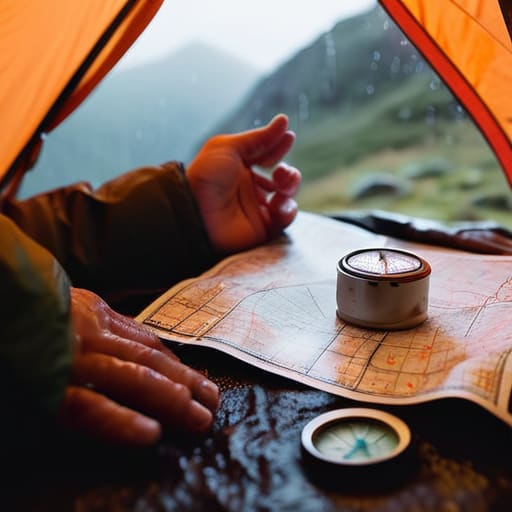
- Stop planning your route based on the “best case” pace. I’ve spent twenty years watching groups hit a wall because they calculated their timing based on a sunny afternoon rather than a slog through peat hags or a headwind that turns a three-mile stretch into six. Always add a 30% buffer to your estimated arrival times; it’s better to arrive at camp early and frustrated than to be navigating a descent in the dark with a dying headtorch.
- Treat your layers as a system, not a collection of clothes. I’ve carried the same Osprey Talon pack for six years and the same Montane lightweight mid-layer for three seasons, and the reason I still use them is because they work together. You need a dedicated, high-quality waterproof shell that you have tested in actual driving rain—not just a light drizzle—because once you’re wet from the inside out, your decision-making capacity drops almost immediately.
- Respect the “Turning Point” rule before you even leave the trailhead. Decide at what time or at what specific geographic landmark you will call the day off, regardless of how close you are to the summit or the next campsite. I’ve had to pull groups back on three separate occasions because we hit our “no-go” time, and while they were annoyed at the time, nobody was complaining when the mist rolled in and the temperature plummeted ten degrees in twenty minutes.
- Water management is about more than just carrying enough; it’s about knowing your sources. Don’t rely on a map that shows a stream and assume it’ll be flowing; I’ve seen many a thirsty hiker realize too late that a seasonal burn has dried up in a warm spell. Carry a reliable filtration system—I’ve used my Sawyer Squeeze daily for four years in everything from mountain runoff to stagnant pools—and never assume “clear” water is safe water.
- Footwear is the most common point of failure I see. It doesn’t matter how expensive your tent is if you’re limping because your boots are either too stiff for the terrain or too light for the mud. I’ve walked people off hills in the dark simply because they chose “lightweight” trail runners for a route that required actual ankle support and deep tread, and that one choice turned a simple trek into a multi-hour struggle for stability.
The Margin for Error
A multi-day trip isn’t a victory lap; it’s a series of calculated decisions where your most important piece of kit isn’t a lightweight tent or a titanium stove, but the ability to look at a darkening ridge and decide that ‘tomorrow’ is a better time to reach the summit than right now.
Bridget Halloran
The Margin Between a Good Trip and a Bad One
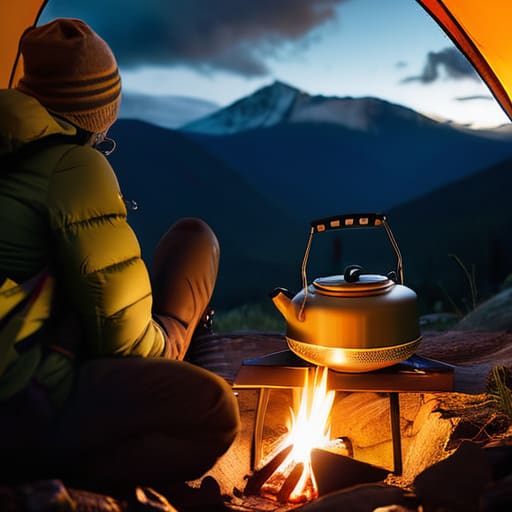
At the end of the day, a successful multi-day trip isn’t measured by how many summits you ticked off or how many miles you crammed into a single afternoon. It’s measured by the fact that you’re sitting by a stove, warm and dry, because you had the sense to read the clouds and the discipline to adjust your route before the weather turned. We’ve covered the necessity of planning for the worst-case scenario, the reality of gear weight versus actual protection, and why your decision-making process is your most vital piece of kit. If you respect the weather, pack for the conditions you might actually face rather than the ones you hope for, and keep a sharp eye on your daylight, you’ve already won half the battle.
The mountains don’t care about your itinerary, and they certainly don’t care about your ego. They are indifferent to your plans, which is exactly why we have to be so meticulous about the details. But once you’ve mastered that boring, essential groundwork—the layering, the timing, the constant checking of the map—the reward is something no press release can capture. There is a specific kind of quiet that only exists when you are miles from the nearest road, watching a peregrine settle on a crag as the light fails. If you do the prep work right, you earn the right to experience that stillness without the constant shadow of a mistake hanging over your head.
Frequently Asked Questions
How do I actually judge if a weather forecast is safe for a ridge walk versus just a bit of wind?
Look at the gust speeds, not just the sustained wind. If the forecast says 30mph gusts, that’s a breezy day on the trail; if it says 50mph, that’s a ridge you shouldn’t be on. I’ve seen too many people treat a “windy” warning as a suggestion, only to find themselves fighting a gale that makes even standing up a struggle. If the gusts are near your walking speed, turn back. The ridge isn’t going anywhere.
At what point does adding "just one more" piece of safety gear actually become a weight problem that compromises my decision-making?
It becomes a problem the moment your pack weight forces you to rush a descent or skip a snack because you’re flagging. I’ve seen people stumble near a ridge edge simply because they were exhausted from hauling a “just in case” kit they didn’t actually need. If a piece of gear doesn’t serve a specific, high-probability survival function—like a proper emergency bivvy or a reliable headtorch—it’s just dead weight. Don’t trade your mental clarity for extra nylon.
What are the specific signs that my group is making an "optimistic decision" that means we need to turn back immediately?
It’s rarely a sudden storm; it’s the slow erosion of your margin for error. Watch for the “quiet” signs: the group’s pace dropping because people are shivering despite layering, or that subtle shift where conversation stops and everyone just looks at their boots. If you’re checking your watch every ten minutes because the light is fading faster than the topo map promised, you’ve already made the decision. Don’t wait for the clouds to break; turn back when the energy shifts.