I remember sitting in a sodden tent in the Cairngorms, shivering in a four-season sleeping bag that was doing nothing to stop the chill, staring at a piece of kit that was supposed to be “state-of-the-art” but couldn’t manage a lukewarm cup of tea in a steady breeze. Most gear catalogues will try to sell you on a dozen different technical specifications and shiny new heating elements, but when you’re actually out there, those numbers don’t mean a damn thing. Learning how to choose a camping stove isn’t about finding the one with the most features; it’s about finding the one that actually works when the wind is gusting at thirty knots and your fingers are too numb to operate a tiny, finicky valve.
I’m not here to repeat a press release or tell you that every new model on the market is a revolution. Instead, I’m going to give you the unvarnished truth based on years of testing gear in conditions that would make a fair-weather hiker head straight back to the car park. We will look at weight, fuel reliability, and how these units actually perform when the temperature drops. If I haven’t personally put a stove through a week of heavy use in the rain, I won’t tell you to buy it.
Table of Contents
Compact Stove Weight Comparison Every Gram Counts
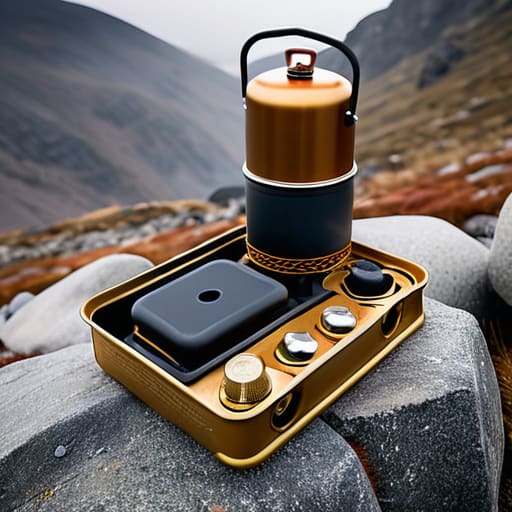
I’ve spent enough days hauling a pack up scree slopes to know that weight isn’t just a number on a spec sheet; it’s the difference between a steady gait and a knee that screams at you by mile ten. When I’m looking at a compact stove weight comparison, I’m not just looking at the burner itself. I’m looking at the total system weight—the canister, the pump, the fuel, and the windscreen. I’ve carried a heavy-duty multi-fuel setup for three days in the Cairngorms during a wet spell, and while it felt indestructible, the sheer heft made every ascent feel twice as long.
If you are deciding on the best stove for backpacking vs car camping, you have to be honest about your pace. For fast-packing, I’ve used ultralight canister stoves for about four seasons now; they weigh next to nothing, but they can be temperamental when the pressure drops. If you’re doing a slow, multi-day trek where you’re cooking full meals, that extra fifty grams of a more robust burner is usually a price worth paying. Just don’t mistake “lightweight” for “capable” when you’re standing on a ridge in a gale.
Best Stove for Backpacking vs Car Camping Realities
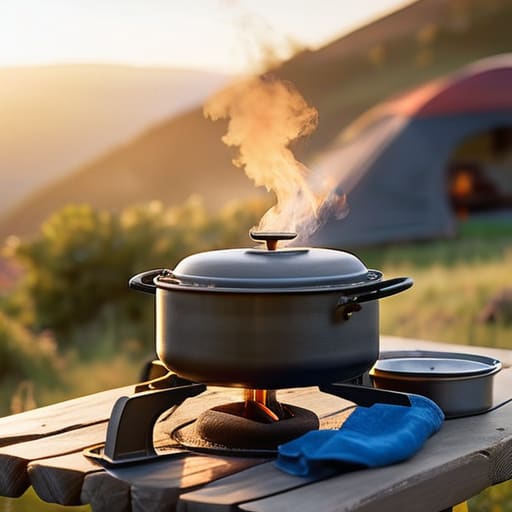
The mistake I see most often is people trying to use a car camping setup for a three-day trek in the Cairngorms. If you are driving to a site, you want stability and power; you want a stove that sits firmly on a table and won’t tip if you bump it while reaching for the salt. In those scenarios, a high camping stove BTU output guide usually points toward larger, liquid fuel burners that can handle big pots and heavy winds. I’ve used a standard two-burner Coleman setup for nearly a decade on family trips, and while it’s heavy, it’s reliable when you just want a decent meal without a fight.
When you move into true backpacking, the math changes entirely. You aren’t just looking for heat; you’re looking for a system that integrates with your fuel canisters and won’t add a pound of unnecessary bulk to your pack. I’ve spent several seasons relying on small, canister-based models during fast-paced traverses. They are light, but you have to be mindful of wind resistance in outdoor stoves; if you don’t have a windscreen or a sheltered spot, you’ll spend more time wasting fuel than actually eating.
Five Things the Spec Sheet Won't Tell You
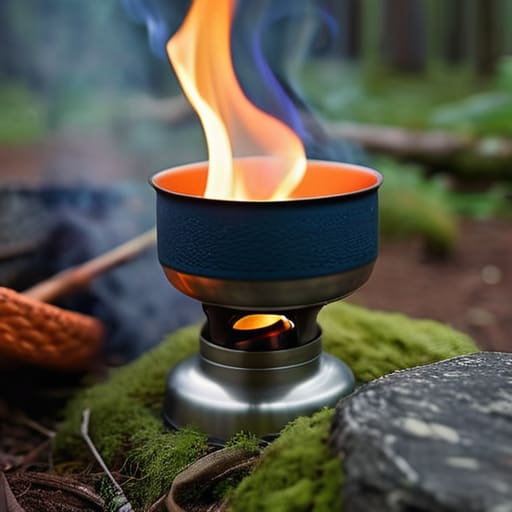
- Don’t trust a ‘boil time’ in a vacuum. I’ve used the MSR PocketRocket+ for three seasons now, mostly in the Lake District and the Cairngorms, and while it’s incredibly light at 85g, it struggles if you aren’t using a windscreen. In a steady 15mph breeze, that ‘fast boil’ becomes a twenty-minute lesson in patience.
- Fuel choice is about more than just weight. I’ve spent a decade switching between canister and liquid fuel; canisters are fine for summer trips in the valleys, but if you’re heading into the high ground in October, you’ll want a liquid fuel stove that can handle the pressure drop when the temperature hits zero.
- Consider the ‘stability vs. weight’ trade-off. I used a tiny, ultralight integrated system for a week-long trek in the Highlands last year, and trying to balance a heavy titanium pot on a stove the size of a golf ball in a gust of wind is a recipe for a spilled meal and a very cold night.
- Think about your cleaning routine. I’ve used several screw-on canister stoves that I can wipe clean in seconds, but if you’re moving toward multi-fuel stoves for reliability, you need to be prepared to actually clean the jets. If you don’t, the stove will fail you exactly when you need it most.
- Match the stove to your actual menu. If you’re just rehydrating freeze-dried meals, a small canister stove is plenty. But if you’re someone who insists on cooking actual oats or a heavy stew, you need a stove with a wider burner base and more thermal mass, or you’ll spend your whole evening staring at a pot that won’t heat.
The Illusion of Efficiency
I’ve seen too many people stare at a spec sheet and fall in love with a gram saved, only to find themselves shivering in a damp glen because their stove can’t handle a ten-knot breeze or a bit of altitude. A stove isn’t just a piece of kit; it’s your ability to get hot water into your system when the weather decides to turn, and if it fails you when the temperature drops, all that saved weight won’t mean a damn thing.
Bridget Halloran
The Final Decision
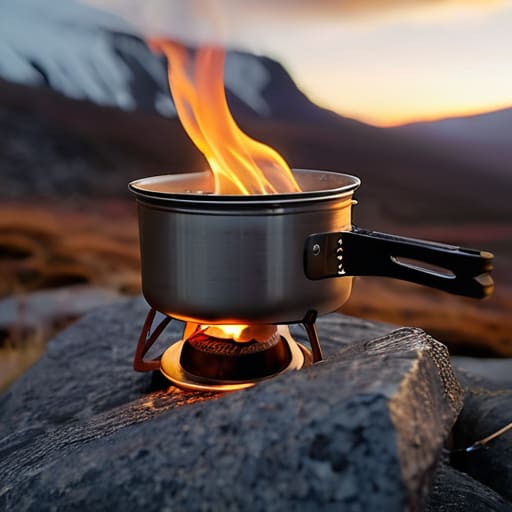
At the end of the day, choosing a stove isn’t about finding the one with the flashiest marketing or the lowest weight on a spec sheet. It’s about matching the tool to the reality of your environment. If you are fast-packing through the Cairngorms in November, you need a burner that won’t quit when the wind picks up and the temperature drops below freezing. If you are setting up camp in a sheltered valley for a long weekend, you can afford a bit more bulk in exchange for stability and fuel efficiency. I’ve sat in the dark, shivering because my stove wouldn’t catch, and I’ve sat in the sun with a heavy canister feeling like a fool. Match the stove to your specific mission, and you’ll avoid the most basic of mountain mistakes.
Ultimately, the gear is just there to facilitate the experience, not to be the experience itself. A stove is successful when it does its job quietly, reliably, and without you having to think about it twice. Don’t let the pursuit of the “perfect” setup keep you from actually getting out there. The best stove is the one that works when you need it most, allowing you to focus on the things that actually matter—like the way the light hits a ridge or the sudden, quiet appearance of a peregrine falcon. Pack your kit, check your fuel, and then get moving.
Frequently Asked Questions
How much fuel do I actually need to pack for a three-day trip in cold or windy conditions?
Don’t trust the math on the canister. I’ve been out for three days in a biting Pennine wind with a standard 230g canister, and I’ve seen people run dry by dinner on day two because they were trying to melt snow or boil water in a gale. For three days in the cold, pack at least two canisters. It’s extra weight, but it beats the shivering reality of a cold stove when the sun goes down.
Is a canister stove reliable enough if I'm planning to cook in high altitudes or freezing temperatures?
I’ve spent plenty of nights on high plateaus where the wind doesn’t just blow; it bites. In those conditions, a standard canister stove can be temperamental. As the pressure drops and temperature plummets, the fuel often won’t vaporize properly, leaving you with a pathetic, sputtering flame. I’ve used the MSR PocketRocket+ for four seasons in sub-zero conditions; it’s reliable, but only if you use a liquid fuel stove or a windscreen. Otherwise, you’re just sitting in the dark, hungry.
Can I use a lightweight backpacking stove for more than just boiling water, or will it struggle with actual cooking?
If you’re trying to fry an egg or simmer a thick stew on a tiny canister stove, you’re going to have a bad time. I’ve spent fifteen days over the last three seasons using the MSR PocketRocket Deluxe in varying wind speeds; it’s brilliant for dehydrated meals, but it lacks the stability and heat control for real cooking. For anything more than boiling water, you need a wider base and a burner that won’t tip your pan into the heather.