I remember a group of hikers last autumn, parents who had spent a small fortune on high-end, lightweight binoculars only to have their seven-year-olds drop them into a peat bog within twenty minutes. They were so focused on the “perfect shot” that they hadn’t noticed the wind picking up or the temperature dropping, and by the time they actually spotted a buzzard, everyone was too cold and grumpy to care. Most advice on how to watch wildlife with children focuses on the wrong things—expensive optics or finding the most elusive species—when the reality is much more about managing expectations and staying dry.
I’m not here to sell you a lifestyle or a brand of overpriced spotting scope. I’m going to tell you what actually works when you’re standing in a damp field with a restless toddler and a sudden change in the weather. We’ll talk about the practicalities: the specific layers that keep kids from melting down, the way to read a landscape for signs of life without spooking the animals, and why patience is a more important piece of kit than any gadget. This is the unvarnished truth of it.
Table of Contents
Managing Expectations and Keeping Children Quiet in Nature
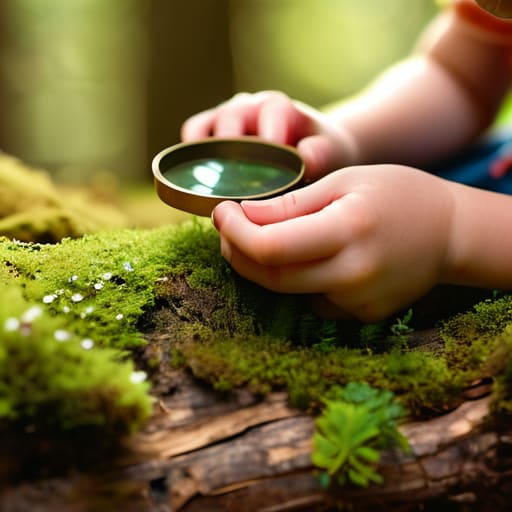
The biggest mistake I see parents make is treating a wildlife sighting like a scheduled appointment. You can’t book a peregrine falcon to show up at 2:00 PM, and if you promise a “big moment,” the kids will spend the whole walk looking at their feet or complaining about the damp. I’ve learned that keeping children quiet in nature isn’t about enforcement; it’s about redirection. If they are scanning the ground for interesting stones or moss patterns, they aren’t shouting at a passing grouse. I find that having a few wildlife observation tools for children—like a decent pair of lightweight binoculars or a simple magnifying glass—gives them a “job” to do. It turns the stillness from a chore into a mission.
If the woods feel too quiet, they’ll start making noise just to fill the gap. This is where a bit of structured outdoor education for families helps. Instead of saying “shhh,” I tell them we are “listening for the forest’s heartbeat.” I use simple nature scavenger hunt ideas to keep their eyes moving—looking for a specific leaf shape or a certain type of bark—which naturally lowers the volume as they concentrate. When they are hunting for clues, they forget to be loud.
Bird Watching for Beginners With Kids Without the Meltdowns
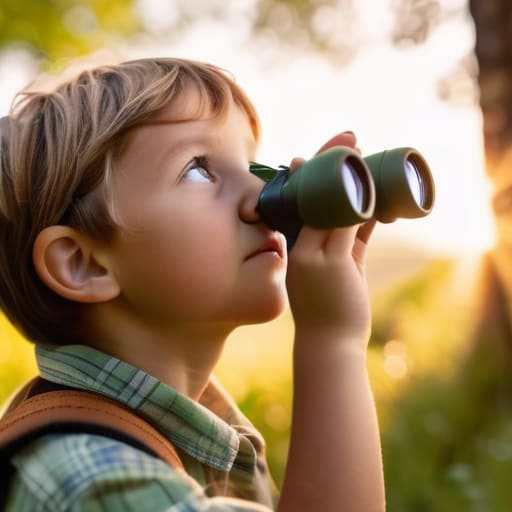
If you try to teach a seven-year-old the nuances of avian taxonomy on a windy ridge, you’ve already lost. The secret to bird watching for beginners with kids isn’t a lecture; it’s about engagement before the boredom sets in. I’ve found that providing specific wildlife observation tools for children—like a decent pair of lightweight binoculars or even a simple magnifying glass—gives them a job to do. It shifts them from being passive passengers to active participants. I’ve used the Nikon Prostaff kids’ series for three seasons on various hill walks, and while they aren’t professional grade, they are light enough that they won’t be abandoned in the car after twenty minutes.
To prevent the inevitable “I’m bored” meltdown, I suggest leaning into nature scavenger hunt ideas. Instead of asking them to find a Peregrine, ask them to find something blue, something jagged, or a feather. It keeps their eyes moving. When you do get a sighting, keep the technical talk minimal. Teaching kids animal identification works best when it’s a game of spotting patterns rather than memorizing Latin names. If they spot a buzzard, celebrate the win, then move on before the wind picks up and the dampness starts to bite.
Small Wins and Slow Movements: Five Ways to Avoid a Total Washout
- Keep the kit light but the layers heavy. I’ve spent twenty years watching kids go from “I love nature” to “I hate everything” in exactly twelve minutes because their toes got damp. If they are shivering, they aren’t looking at birds; they are looking for the car. I use my old Osprey Talon pack for everything, and I always pack an extra fleece specifically for the kids—even if the forecast says it’s mild.
- Stop looking for the “big” stuff. Most kids want to see a lion or a massive eagle, but the real magic is in the micro-details. I spent three years logging raptor nests and learned that patience is a skill you have to teach. Bring a magnifying glass or a small hand lens. If they can spend ten minutes looking at a beetle on a fallen log, they’ve learned more about ecology than any textbook could teach them.
- Use binoculars as a reward, not a right. I’ve carried my Leica binoculars for over a decade in everything from misty valleys to bright sunlight, and they are the difference between seeing a bird and seeing a smudge. Don’t hand them out the second you hit the trail. Use them when you’ve actually found something—a movement in the scrub or a silhouette on a ridge—so the “reward” of seeing something real sticks.
- Timing is everything, and it’s rarely when you want it to be. If you head out at midday when the sun is high and the heat is sitting on the hills, the wildlife is tucked away. I’ve found that the “golden hour” before dusk is best for activity, but for children, that means you have to be incredibly disciplined about your turnaround time. Never let a bird sighting push your descent into the dark; that’s when the “optimistic decisions” turn into real problems.
- Let them get dirty, but keep them dry. There is a massive difference between a child with muddy knees and a child with a soaked base layer. I’ve worn the same pair of Berghaus waterproof trousers for five seasons of heavy rain, and they’ve taught me that staying dry is the only way to stay calm. If their clothes are damp, their mood will follow suit. Keep the waterproofs accessible and don’t wait for the clouds to break before you put them on.
The Cost of Being Too Early
“You can plan for the perfect sighting, but you can’t plan for a six-year-old losing their patience because the wind has turned cold and the bird hasn’t shown up; if you haven’t managed their layers and their hunger before you reach the ridge, you aren’t birdwatching, you’re just managing a crisis in a very expensive pair of binoculars.”
Bridget Halloran
The Long View
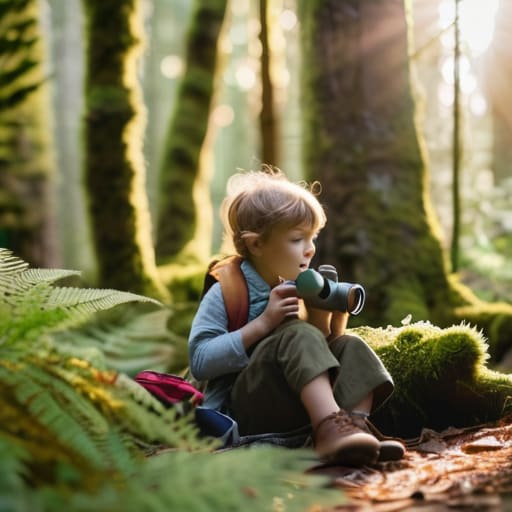
At the end of the day, successful wildlife watching with kids isn’t about ticking a checklist or spotting a rare peregrine on your first attempt; it’s about the logistics that prevent the inevitable collapse. It is about having the right layers so they aren’t too cold to care, managing the daylight so you aren’t scrambling back to the car in the dark, and knowing when to call it a day before a tantrum turns into a safety issue. If you’ve prepared the kit, kept the snacks accessible, and understood that silence is a skill they have to learn, you’ve already won half the battle. You can’t force the animals to appear, but you can certainly control the environment that allows your children to be present enough to actually see them when they do.
I’ve spent twenty years tracking birds and leading groups through some of the most unforgiving terrain in the country, and if there is one thing I’ve learned, it’s that the best moments are rarely the ones we planned for. They are the quiet, unplanned minutes when a child stops fidgeting and simply stares, mesmerized, at a fox slipping through the bracken. These moments are fragile. They require patience, a bit of grit, and the willingness to embrace the boredom that comes with waiting. Don’t chase the perfect photo; just be there when the wild decides to show itself.
Frequently Asked Questions
How do I handle the inevitable meltdown when we've walked two miles for a bird that doesn't show up?
The truth is, you can’t prevent the meltdown, but you can prevent it from becoming a disaster. When the bird doesn’t show, the frustration usually stems from physical discomfort—cold feet or a hungry stomach—rather than the missing wildlife. Stop walking. Find a sheltered spot, get the layers on, and hand out a high-energy snack. I’ve learned that a child’s disappointment is much easier to manage once they aren’t shivering or hypoglycemic.
What kind of lightweight binoculars are actually worth carrying when you're trying to balance a kid's hand and your own gear?
Don’t bother with the heavy, professional-grade glass; if you’re juggling a kid’s hand, you need something you can grab instantly. I’ve used the Nikon Prostaff P7 8x30s for three seasons of ridge walking and damp valley treks. They weigh about 450g, which matters when your pack is already heavy. They aren’t the sharpest in the world, but they’re rugged enough to survive a drop on granite and light enough to keep around your neck without it being a chore.
How do I teach them to respect nesting sites without making the whole experience feel like a strict classroom lesson?
Don’t lecture them; just make them part of the observation. I tell my groups that we aren’t just looking at birds, we’re “detectives” looking for signs of a home. If we see a nest, we stop, we lower our voices, and we move back. I frame it as protecting the bird’s privacy so they don’t feel like they’re in school. It’s about quiet observation, not a list of rules.