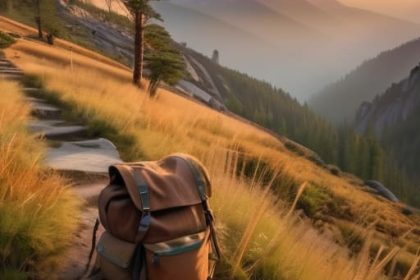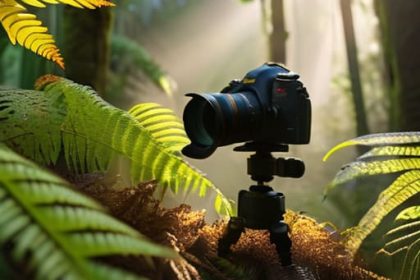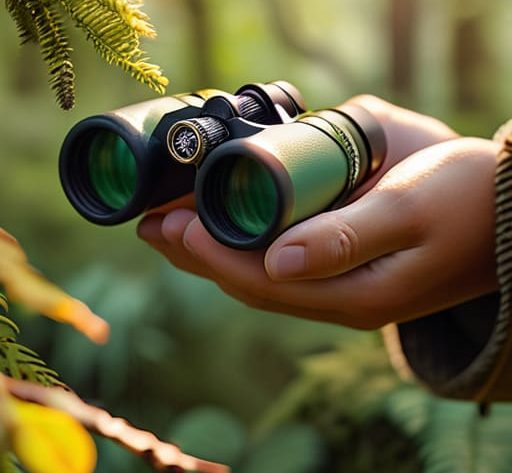
Most people think a complete guide to birdwatching needs to start with a list of the most expensive Swarovski optics or a PhD in ornithology, but that’s mostly nonsense. I’ve spent twenty-two years on the hills, and I can tell you that the best sightings I’ve ever had—including several close calls with nesting Peregrines—didn’t happen because I had the flashiest gear, but because I knew exactly when to stop moving and when the wind was going to shift. You don’t need a mountain of kit; you need to understand the terrain and the temperament of the birds you’re actually trying to find.
I’m not here to sell you on a lifestyle or repeat a glossy marketing brochure. Instead, I’m going to give you the unfiltered reality of what it actually takes to see wildlife without becoming a nuisance or, more importantly, getting caught out by a sudden change in weather. I’ll tell you which binoculars have survived three seasons of horizontal rain in the Lake District and which “essential” guides are a waste of paper. This is about practicality and patience, the two things that actually matter when you’re standing in a damp field at dawn.
Table of Contents
Birdwatching Equipment Essentials Weight Weather and Reliability
When people ask me about birdwatching equipment essentials, they usually start with the most expensive thing they can find in a shop window. I tell them to start with their feet and their layers instead. If you’re shivering or nursing a blister, you aren’t observing avian behavior; you’re just counting the minutes until you can get back to the car. I’ve spent fifteen years testing optics in everything from the dry heat of the Lowlands to the horizontal sleet of the Cairngorms. I carry my Nikon Monarchs through roughly 120 days of heavy mist and wind annually; they hold their focus when the humidity spikes, which is more than I can say for the cheap plastic models I’ve seen beginners lugging around.
Weight is the silent killer of a good day. If your kit is too heavy, you’ll make a tired, optimistic decision to push for one more ridge when you should have turned back. I keep my kit lean: a lightweight, waterproof field guide for beginners that won’t soak up water like a sponge, and binoculars that won’t weigh down my neck when I’m scanning a raptor nest. If I haven’t personally carried a piece of gear through a full season of changing weather, I won’t tell you it’s reliable.
How to Identify Bird Species Before the Light Fails
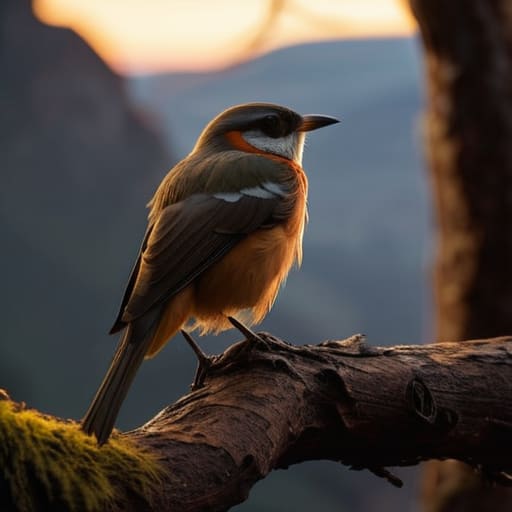
When the light starts to fail, your margin for error disappears. I’ve spent too many evenings on the edge of a ridge watching the sun drop, realizing that the “distinctive yellow patch” I thought I saw was actually just a trick of the fading light on a common sparrow. If you want to know how to identify bird species when the shadows are stretching, you have to stop looking for color and start looking at silhouette and structure. In low light, color is a lie. Instead, focus on the shape of the beak, the length of the tail, and the way the bird carries its weight. A heavy-set silhouette moving through the scrub tells a very different story than a slender, darting shape, regardless of whether you can actually see the plumage.
Don’t rely solely on a digital app when the battery is low and the temperature is dropping; I’ve carried the Peterson Field Guide through three seasons of sleet, and its physical pages don’t freeze up or die. You need to practice observing avian behavior as much as visual identification. Is it hopping on the ground or clinging to a vertical trunk? That movement pattern is often more reliable than a fleeting glimpse of a wing bar when you’re working with limited visibility.
The Margin for Error: Five Realities of Field Observation
- Respect the light window. I’ve seen too many people lose a spectacular sighting because they were so focused on a single bird they forgot they had forty minutes of usable light left. If you aren’t checking your watch every twenty minutes, you aren’t birdwatching; you’re just waiting to get lost in the dark.
- Layer for the stillness. When you’re sitting in a blind or hunkered down in a thicket waiting for a raptor to move, your heart rate drops and the temperature feels ten degrees colder than the official forecast. I always carry a heavy-duty thermal layer even in July, because the moment you stop moving, the dampness starts to bite.
- Manage your footprint. If you’re trampling through undergrowth or making a racket with heavy boots just to get a better angle, you’ve already lost. I’ve spent years watching people ruin a sighting by being too loud; the birds knew they were there long before you did, and they’ve already decided you aren’t worth the effort.
- Don’t trust a single data point. A single sighting in a field guide doesn’t account for a sudden shift in wind direction or a localized storm front. I cross-reference my own raptor logs with current weather patterns before I even pack my bag; if the wind is gusting at 30 knots from the north, that species you’re looking for isn’t going to be sitting pretty on a low branch.
- Prioritize your exit strategy. Every time I head out, I have a “hard turn-back time” etched into my brain. It doesn’t matter if the bird is still there; if the weather is turning or the daylight is thinning, you pack up. The bird will be there tomorrow, but your ability to get home safely depends on knowing when to call it a day.
The Gap Between Seeing and Surviving
A complete guide to birdwatching isn’t really about the birds; it’s about the three hours of miserable, wind-scoured preparation that allow you to actually sit still long enough to see them. If you spend all your energy fighting your gear or chasing the light, you’ll miss the bird entirely—and if you don’t respect the weather, you won’t be around to write about it.
Bridget Halloran
The Reality of the Ridge
At the end of the day, birdwatching isn’t about having the most expensive glass or a memorized checklist of every subspecies in the county. It is about the discipline of being prepared for when the conditions shift. If you have your layers sorted, your optics are fog-proof, and you know how to read the light before it vanishes, you aren’t just a spectator; you are a part of the landscape. Remember that reliable gear and timing matter far more than a fancy brand name. I’ve spent twenty-two years seeing people miss the best sightings—not because the birds weren’t there, but because they were too cold to focus or too late to find the clearing. Preparation is what allows you to actually see.
There is a specific kind of quiet that comes when you finally spot a peregrine or a golden eagle against a heavy, moving sky, and it is worth every mile of damp, heavy trekking. The birds don’t care about your itinerary or how much you spent on your jacket; they only care about the wind and the light. If you respect those elements, the outdoors will keep opening up for you. Don’t be afraid to turn back when the weather turns or to sit in silence for three hours just to catch one glimpse. The best sightings rarely happen on a schedule, but they always happen to those who are patient enough to wait.
Frequently Asked Questions
How do I know when the weather is turning too nasty to stay out and look for birds safely?
You don’t wait for the gale to start; you watch the barometer and the light. If the wind shifts from a steady breeze to those sharp, unpredictable gusts that make your tripod dance, that’s your cue. When the clouds drop below the ridge line and turn that heavy, bruised purple, you’re losing your visual field and your safety margin. I’ve turned groups back because the temperature dropped five degrees in ten minutes. If you’re shivering, you’re already too late.
What’s the best way to manage my layers so I don't end up sweating through my kit while waiting for a raptor to appear?
The mistake is waiting until you’re shivering to put something on, or waiting until you’re soaking to take it off. If you’re stationary, you’ll lose heat fast, but if you’re sweating while stalking, you’ll freeze the moment you stop. I use a thin merino base—I’ve worn the same one for four seasons in wet conditions—and a breathable mid-layer. Strip down one layer before you start sweating. If you’re damp, you’ve already lost the battle.
If I'm out on a long-distance route, how much extra weight should I actually commit to for better optics?
If you’re on a multi-day route, every gram counts, but don’t compromise on the glass. I’ve carried the Nikon Monarchs for three seasons through soaked heather and freezing mist; they weigh about 550g, and that’s a weight I’ll take any day. If you go too light with cheap, plastic optics, you’ll spend your evening frustrated by fogged lenses and blurry shapes. Carry the weight. A slightly heavier, reliable pair is better than a lightweight mistake.